
Faith and Trust in God
What Is The Most Important Verse In The Bible? Discover Key Insights
Nov 7, 2026 · 11 min read
Explore the profound meaning behind the center verse of the Bible and how it encapsulates the core message of faith and trust in God.
Key Takeaways
The Bible, a sacred text for millions, holds a wealth of wisdom and guidance for our everyday lives. In exploring its depths, one intriguing question arises: What is the center verse in the Bible? This inquiry not only piques curiosity but also invites reflection on the overall message and themes woven throughout Scripture.
Identifying the center verse can provide unique insights into the essence of what the Bible teaches. Psalm 118:8 is recognized as the center verse, a powerful statement that encapsulates a core principle of faith. In this article, we will examine the significance of this verse, its context, and the broader implications for believers today.
Understanding the centrality of this verse also encourages us to consider how God’s Word is structured and how it speaks to us as individuals and as a community of faith. Let us embark on this journey through Scripture, finding encouragement and understanding along the way.
Psalm 118:8 states, “It is better to take refuge in the Lord than to trust in man.” This verse is positioned strategically in the middle of the Bible, highlighting its importance in the overall narrative of Scripture. But why is this particular verse so significant?
Firstly, the message of Psalm 118:8 emphasizes the theme of trust. Trusting in God rather than in human strength is a recurring motif throughout the Bible. This verse serves as a reminder that while people can be helpful, they are ultimately fallible. In contrast, God is infallible and His promises are trustworthy.
Secondly, this verse invites us to consider where we place our faith. In today’s world, it is easy to become reliant on human wisdom, achievements, or even societal norms for guidance. However, Psalm 118:8 redirects our focus back to God as our ultimate source of refuge and strength. It challenges us to reflect on our priorities and the foundations we build our lives upon.
Psalm 118 is part of a collection of psalms known as the Hallel, which are traditionally sung during Jewish festivals. This psalm is a celebration of God’s steadfast love and faithfulness. Understanding its context enhances our appreciation of the central verse.
Throughout Psalm 118, the psalmist recounts experiences of distress and deliverance. The psalm opens with a call to give thanks to the Lord, emphasizing His enduring mercy (Psalm 118:1). This theme of gratitude sets the stage for the subsequent verses, which reflect on the psalmist’s struggles and the Lord’s rescuing power.
In verses 5-7, the psalmist shares a personal testimony of calling out to God in distress and receiving help. This reinforces the idea that trusting in God is not merely theoretical; it is experiential. The psalmist’s journey resonates with many believers who have faced challenges and discovered the faithfulness of God in their own lives.
The comparison between trusting in God and trusting in man is a vital aspect of Psalm 118:8. It raises important questions about our dependency and the decisions we make daily. Why should we trust God over humanity?
In practical terms, trusting in God can be demonstrated in many ways throughout our lives. For instance, consider a person who faces a job loss. They may feel overwhelmed and tempted to trust their own efforts to quickly find a new position. However, leaning into prayer and seeking God’s guidance can bring peace and clarity in the midst of uncertainty.
Imagine a person named Sarah who suddenly loses her job due to company downsizing. In her initial reaction, she feels anxious and uncertain about the future. However, instead of panicking, Sarah decides to turn to Psalm 118:8. She reflects on how she has often relied on her job for security and identity.
As she prays and seeks God’s direction, Sarah begins to realize that her worth is not tied to her employment status. She starts applying for jobs but also remains open to new opportunities that God may present, such as volunteer work and networking in her community. In this process, Sarah experiences a profound sense of peace, trusting that God has a plan for her future.
This real-life illustration showcases the practical implications of Psalm 118:8. When we place our trust in God, we can navigate life’s challenges with a renewed sense of hope and purpose.
The concept of centrality in the Bible extends beyond just the physical placement of verses. It reflects a spiritual principle of prioritizing God in our lives. The center verse of Psalm 118:8 is a poignant reminder of this truth.
Throughout Scripture, we see numerous examples of individuals who placed their trust in God:
These examples highlight the importance of faith throughout biblical history. Trusting God is integral to our relationship with Him and forms the foundation for our spiritual journey. As we consider the center verse in the Bible, we are reminded to cultivate a lifestyle of trust that aligns with God’s character.
Embracing faith is not always easy, especially in a world filled with uncertainty. However, Psalm 118:8 provides a clear directive: to take refuge in the Lord. This practice can manifest in our daily routines and decision-making processes.
Incorporating these practices into our lives helps us develop a robust trust in God, which can lead to greater peace and confidence in our daily decisions.
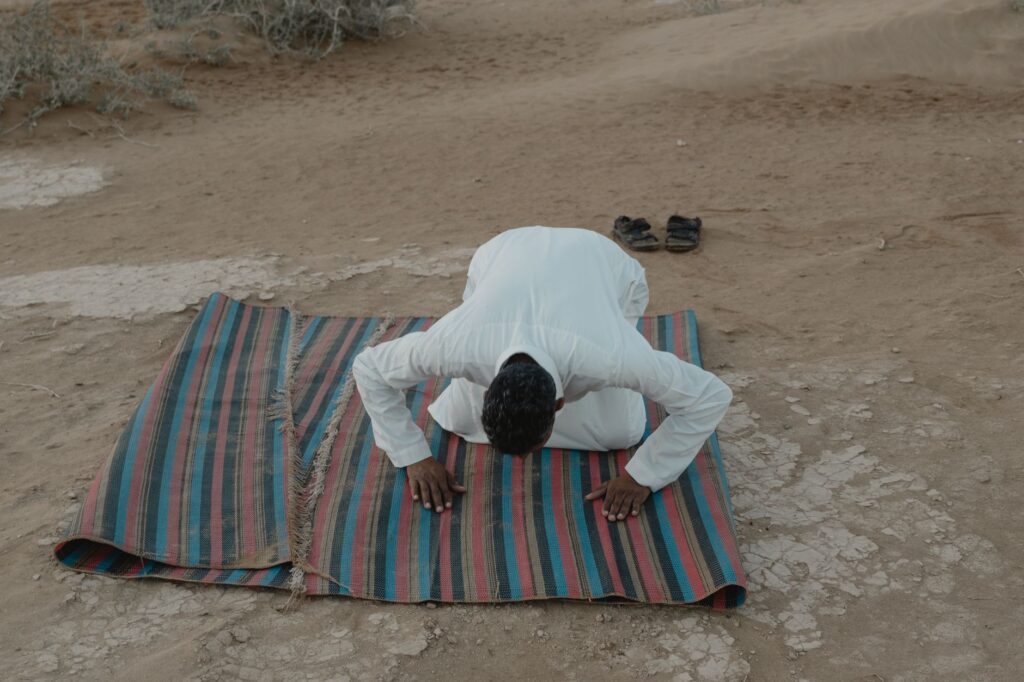
Trust is a cornerstone of human relationships and interactions. In our daily lives, we rely on trust in various forms: trust in our family, friends, and even in our own abilities. As Proverbs 3:5-6 advises, we are encouraged to “Trust in the LORD with all your heart and lean not on your own understanding; in all your ways submit to him, and he will make your paths straight.” This verse illustrates the importance of placing our full confidence in God rather than solely in our limited understanding.
Trusting God requires surrendering our need for control and admitting that we do not have all the answers. This foundation allows us to navigate life’s complexities with faith and assurance. Just as a building stands firm on a solid foundation, our lives can thrive when rooted in trust in God.
In addition to our relationship with God, trust is vital in our connections with others. Ephesians 4:2-3 reminds us, “Be completely humble and gentle; be patient, bearing with one another in love. Make every effort to keep the unity of the Spirit through the bond of peace.” This passage highlights the importance of nurturing trust through humility and patience.
When we cultivate trust in our relationships, we foster environments where love and understanding can flourish. Here are some practical ways to build trust:
By actively working to build trust, we reflect God’s love and create strong bonds with those around us.
Distrust can lead to a myriad of issues, both in our relationship with God and with others. When we struggle to trust God, we may experience anxiety and fear about the future. Psalm 56:3 states, “When I am afraid, I put my trust in you.” This verse illustrates that trust in God can alleviate our fears and anxieties.
On the relational front, distrust can create barriers that hinder effective communication and connection. It may lead to isolation or conflict, as we are less likely to be vulnerable with those we do not trust. Matthew 7:3-5 teaches us to examine our own faults before judging others, reminding us to be cautious about projecting distrust onto those around us.
One of the most compelling reasons to trust God is His unchanging faithfulness. Deuteronomy 7:9 declares, “Know therefore that the LORD your God is God; he is the faithful God, keeping his covenant of love to a thousand generations of those who love him and keep his commandments.” God’s faithfulness is not just historical; it is active and present in our lives today.
When we remember the ways God has been faithful in the past, we gain confidence in His ability to be faithful now and in the future. Reflecting on personal testimonies or biblical stories can strengthen our trust. Consider the faithfulness displayed in the lives of individuals such as Abraham, Joseph, and Moses, who experienced God’s promises despite their circumstances.
Understanding God’s sovereignty is another vital aspect that fosters trust. Psalm 115:3 affirms, “Our God is in the heavens; he does all that he pleases.” Recognizing that God is in control of all things can bring peace to our hearts, especially during turbulent times. When we trust in His sovereignty, we can embrace the unknown with confidence.
God’s sovereignty means that He has a purpose for everything, even when we cannot see it. Romans 8:28 reassures us that “we know that in all things God works for the good of those who love him, who have been called according to his purpose.” This assurance encourages us to trust that every situation can serve a greater purpose aligned with His divine plan.
The depth of God’s love for us is perhaps the most significant reason to trust Him. 1 John 4:19 states, “We love because he first loved us.” Knowing that God’s love is unconditional and unwavering allows us to approach Him without fear. His love casts out fear and invites us into a deeper relationship with Him.
In reflecting on God’s love, we can draw strength from the promise found in Romans 8:38-39, which assures us that nothing can separate us from the love of God. Trusting in this love enables us to face life’s challenges with courage and hope. It empowers us to live authentically and encourages us to love others as God loves us.

In moments of uncertainty, it is easy to feel overwhelmed or anxious. However, Psalm 46:1 reminds us, “God is our refuge and strength, an ever-present help in trouble.” This verse serves as a comforting reminder that we are never alone, even in the most challenging times. By turning to God in prayer, we can find peace amidst the storms of life.
Creating a habit of seeking God’s presence can help us navigate uncertainty. Engaging in regular prayer, meditation on Scripture, and communal worship allows us to connect with God, reinforcing our trust in Him. Isaiah 26:3 promises, “You will keep in perfect peace those whose minds are steadfast, because they trust in you.” This peace is a gift that sustains us through trials.
Developing trust in God during difficult times requires intentionality. Here are some steps to cultivate that trust:
These practices can anchor our souls and help us maintain trust even when circumstances are challenging.
God’s promises throughout Scripture provide a solid foundation for our trust. Hebrews 10:23 encourages us, “Let us hold unswervingly to the hope we profess, for he who promised is faithful.” By embracing the promises of God, we can find hope and strength to endure uncertainty.
Some key promises to meditate on include:
Reflecting on these promises can help us reinforce our trust in God’s character and His intentions for our lives.
The center verse in the Bible is Psalm 118:8: “It is better to take refuge in the Lord than to trust in man.” This verse emphasizes the importance of trusting God over human beings.
Psalm 118:8 is significant because it serves as a reminder of where to place our trust. It highlights God’s faithfulness and encourages believers to seek refuge in Him rather than relying solely on human strength.
You can apply the message of Psalm 118:8 by actively choosing to seek God’s guidance in decisions, turning to prayer in times of distress, and building a community of faith for support and encouragement.
Yes, many verses emphasize trust in God, such as Proverbs 3:5-6, which encourages believers to trust in the Lord with all their heart, and Isaiah 26:3, which promises that God will keep in perfect peace those whose minds are steadfast because they trust in Him.
The center verse in the Bible, Psalm 118:8, serves as a powerful reminder of the importance of placing our trust in God instead of relying solely on human strength. By understanding its context and application, we can foster a deeper relationship with God, allowing His guidance to shape our lives. Embracing this truth encourages us to seek refuge in the Lord, ultimately leading to a more profound faith journey.
Weekly encouragement
Free Bible study guides, prayer help and a verse to carry through your week. No spam, unsubscribe anytime.


Join the conversation