
Family & Parenting
Bible Verse About Being A Good Father: Key Insights and Guidance
Nov 27, 2026 · 13 min read
Explore Bible verses about being hurt by husband and find healing, encouragement, and hope through Scripture in your marriage journey.

Key Takeaways
Being hurt by a husband can leave deep emotional scars. Many women face this struggle, feeling isolated and uncertain about their next steps. The Bible provides comforting words and guidance for those navigating the complexities of marital pain. Whether the hurt is caused by harsh words, betrayal, or emotional disconnection, there are scriptural truths that can restore hope and healing.
Understanding that you are not alone in your feelings is crucial. Countless women throughout history have faced similar challenges in their marriages. In this article, we will explore Bible verses about being hurt by husband, reflecting on their meanings and how they can apply to your life today.
We will look at the importance of forgiveness, the power of prayer, and the role of God’s love in healing your heart. By grounding ourselves in Scripture, we can find the strength to move forward, even when faced with significant emotional pain.
Before we turn to Scripture, it is essential to acknowledge the emotions involved when a husband causes hurt. Feelings of betrayal, anger, or sadness can overwhelm even the most steadfast believer. Recognizing these emotions is the first step toward healing. Here are some common feelings women may experience:
In our journey through these emotions, it is vital to turn to the Word of God for comfort and wisdom. Scripture teaches us about the nature of love, forgiveness, and the importance of healing relationships.
Understanding the root causes of pain in marriage can provide insight for healing. Often, hurt arises from unmet expectations, miscommunication, or personal struggles. Here are a few common reasons:
Recognizing these factors can help in processing the hurt. It allows for deeper conversations and understanding within the marriage, paving the way toward healing.
Scripture is filled with verses that speak to our pain and provide hope. Here are several Bible verses about being hurt by husband that can encourage and uplift:
These verses serve as a foundation for healing, guiding us to lean on God during difficult times.
In addition to turning to Scripture, there are practical steps you can take to begin healing. Here are some suggestions:
Implementing these steps can create a nurturing environment for healing to take place.

Forgiveness is a crucial component of healing, both for yourself and your marriage. Scripture emphasizes the significance of forgiving others as God forgives us. Here are some key verses:
Forgiveness does not mean excusing hurtful behavior; rather, it allows you to release the burden of anger and resentment. It is a gift you give to yourself, freeing your heart from the pain.
Consider the story of a woman named Sarah. Sarah found herself emotionally hurt by her husband after he made a series of unkind remarks during a stressful period. Initially, she felt overwhelmed with sadness and resentment, believing that their marriage was in jeopardy.
Through prayer and reflecting on Scripture, Sarah began to understand that holding onto her hurt was only causing her more pain. She sought guidance from her pastor, who encouraged her to communicate her feelings to her husband. After a heartfelt conversation, they both realized the stress of life was impacting their communication.
Sarah chose to forgive her husband, and in doing so, she found peace in her heart. Over time, they worked together to rebuild trust and strengthen their relationship. This experience taught Sarah the transformative power of forgiveness and the importance of open dialogue.
Prayer is a powerful tool for healing. It not only connects us with God but also helps us process our emotions. Engaging in prayer can take many forms:
Incorporating prayer into your daily routine can provide comfort and clarity. It encourages a closer relationship with God, who understands your pain and desires to help you heal.
It is vital to seek support from others during difficult times. Here are ways to find encouragement:
Support from others can remind you that you are not alone and provide practical tools for healing.
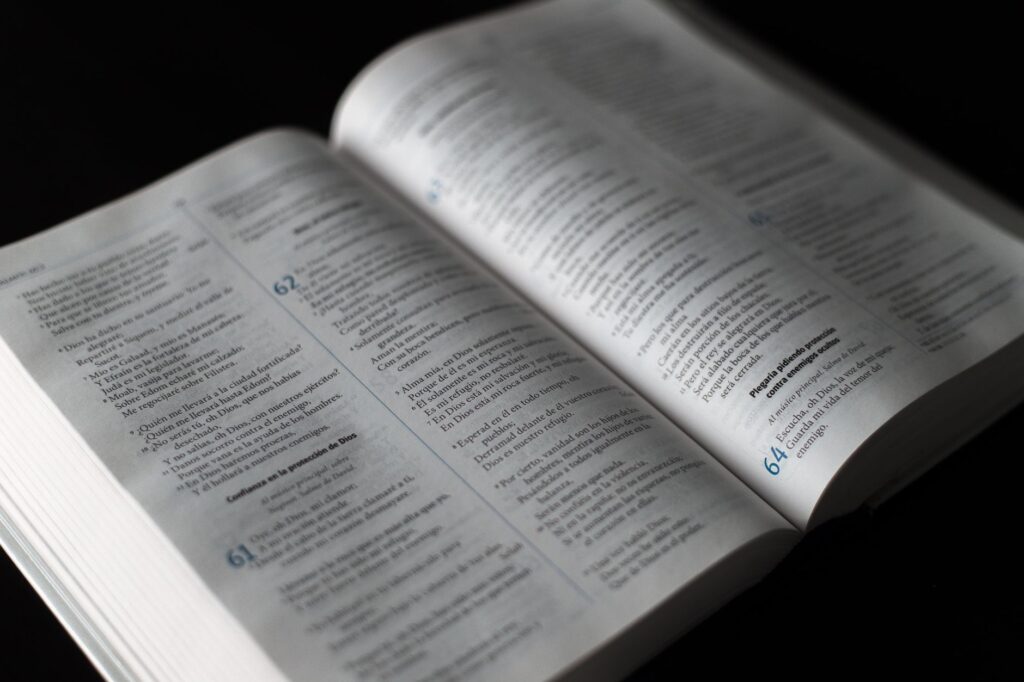
When we experience hurt from a spouse, it’s easy to question our worth. However, the Bible reassures us of our value in Christ. Genesis 1:27 states, “So God created mankind in his own image, in the image of God he created them; male and female he created them.” This foundational truth reminds us that our identity is rooted in God’s creation and inherent goodness.
Understanding our identity in Christ is crucial for healing. Ephesians 2:10 tells us, “For we are God’s handiwork, created in Christ Jesus to do good works, which God prepared in advance for us to do.” Embracing this identity can foster self-esteem and resilience, empowering us to navigate through emotional turmoil.
Reclaiming your self-worth after feeling hurt involves intentional steps. Here are some practical actions you can take:
Setting healthy boundaries is essential for emotional healing and personal growth. Boundaries help define what is acceptable and what is not, protecting your emotional well-being. Proverbs 25:28 states, “Like a city whose walls are broken through is a person who lacks self-control.” This verse illustrates the importance of having boundaries in place to maintain mental and emotional health.
Establishing boundaries does not mean building walls; rather, it means creating safe spaces where you can express your feelings and needs. This is crucial for both you and your spouse, as it fosters mutual respect and understanding within the relationship.
Here are a few steps to consider when implementing healthy boundaries in your marriage:

Community support plays a vital role in the healing process. In Galatians 6:2, we are instructed, “Carry each other’s burdens, and in this way you will fulfill the law of Christ.” Engaging with others who share your faith can provide strength, encouragement, and perspective during difficult times.
When you feel hurt, reaching out to fellow believers can help you feel less isolated. They can offer prayers, wisdom, and companionship on your journey toward healing. Remember, you are not alone in your struggles, and God’s people are here to support you.
Here are some practical ways to find support within your church or community:
By embracing community support, setting healthy boundaries, and recognizing your identity in Christ, you can begin to heal from the hurt inflicted by your husband. God’s love and grace will guide you every step of the way, providing hope and restoration in your life.
It can be frustrating when a spouse does not recognize their actions. In such cases, focus on your healing. Continue to pray for understanding and consider seeking counseling together.
Rebuilding trust takes time. It requires open communication, honesty, and consistent actions. Both partners must be committed to the process of healing.
Absolutely. Seeking support from trusted friends, family, or counselors is a healthy way to process your feelings and gain perspective.
Forgiveness allows you to release negative emotions, promoting healing and peace in your heart. It does not excuse the hurt but frees you from the burden of resentment.
Being hurt by a husband is a painful experience that many women endure. However, the Bible offers comfort, guidance, and hope through Scripture. By leaning on God, embracing forgiveness, and seeking support, you can navigate the path to healing. Remember, you are not alone, and there is a way forward filled with hope and restoration.
Weekly encouragement
Free Bible study guides, prayer help and a verse to carry through your week. No spam, unsubscribe anytime.



Join the conversation