Bible Verses About Injury: Finding Hope in Scripture
Explore Bible verses about injury that offer hope and healing. Discover how scripture provides comfort during times of physical and emotional pain.

Key Takeaways
- The Bible offers comfort in times of injury.
- Healing is a significant theme in scripture.
- God's presence is a source of strength during recovery.
- Prayer and community support are encouraged.
Understanding Injury Through a Biblical Lens
Injuries can take many forms, affecting our bodies, emotions, and spirits. Whether it’s a physical injury from an accident or an emotional wound from betrayal, the Bible addresses the pain and suffering that come with such experiences. This article will explore various Bible verses about injury, providing insight and encouragement for those navigating the difficult journey of healing.
Understanding injury from a biblical perspective involves recognizing that suffering is a part of the human experience. The Scriptures remind us that pain does not go unnoticed by God. Instead, He walks alongside us through our trials, offering comfort and hope. As we delve into the Word, we will see how Scripture speaks to our pain and points us toward healing.
Injuries may leave us feeling isolated, but the Bible assures us that we are never truly alone. God’s promises of support and healing can be a sanctuary for those who are hurting. This article aims to shed light on the various ways Scripture speaks to injuries, providing a roadmap for finding solace in God’s Word.
Biblical Examples of Injury and Healing
The Bible is full of stories that illustrate the reality of injury and the hope of healing. From the Old Testament to the New Testament, we see characters facing various forms of injury, both physical and emotional. These narratives offer valuable lessons on how to respond to our pain and seek healing.
Physical Injuries
One of the most notable examples of physical injury in the Bible is found in the story of Job. Job faced immense suffering, losing his health, wealth, and family. Despite his profound pain, Job remained steadfast in his faith. In Job 1:21, he declares, “The Lord gave, and the Lord has taken away; blessed be the name of the Lord.” This response exemplifies a deep trust in God, even amidst grave injury.
Another poignant example is the healing of the paralyzed man in Mark 2:1-12. His friends brought him to Jesus, hoping for a miracle. When Jesus saw their faith, He not only healed the man physically but also forgave his sins. This story emphasizes the connection between physical and spiritual healing, showing that Jesus cares for our whole being.
In the Old Testament, we also find the story of Naaman, a commander who suffered from leprosy (2 Kings 5). After much reluctance, he followed the prophet Elisha’s instructions to wash in the Jordan River and was healed. This narrative illustrates the importance of obedience and faith in the healing process.
Emotional Injuries
Emotional injuries can be just as debilitating as physical ones. The Psalms, often referred to as the prayer book of the Bible, express a range of human emotions, including sorrow, despair, and longing for healing. For instance, Psalm 147:3 states, “He heals the brokenhearted and binds up their wounds.” This verse reminds us that God is intimately aware of our emotional pain and is actively involved in the healing process.
Another significant example is found in the story of David. After his sin with Bathsheba, he experienced deep emotional turmoil and guilt. In Psalm 51, David cries out for mercy and restoration, saying, “Create in me a clean heart, O God, and renew a right spirit within me” (Psalm 51:10). This illustrates that seeking God’s forgiveness is an essential step in healing emotional injuries.
Furthermore, the story of Joseph in Genesis showcases the journey from injury to healing. Betrayed by his brothers and sold into slavery, Joseph endured tremendous emotional pain. Yet, through a series of divine events, he eventually forgave his brothers and recognized God’s hand in his suffering. Joseph’s story emphasizes the importance of forgiveness in the healing journey.

Scriptural Promises for Healing
The Bible offers numerous promises regarding healing, both physical and emotional. These verses serve as reminders of God’s power to restore and heal us, no matter the nature of our injuries. Here are some key verses that speak to the healing power of God:
- Isaiah 53:5: “But he was pierced for our transgressions; he was crushed for our iniquities; the punishment that brought us peace was on him, and by his wounds we are healed.” This verse points to the ultimate healing provided through Christ’s sacrifice.
- James 5:14-15: “Is anyone among you sick? Let them call the elders of the church to pray over them and anoint them with oil in the name of the Lord. And the prayer offered in faith will make the sick person well; the Lord will raise them up.” This highlights the importance of prayer and community support in healing.
- 1 Peter 2:24: “He himself bore our sins in his body on the cross, so that we might die to sins and live for righteousness; by his wounds you have been healed.” This verse emphasizes the transformative power of Christ’s sacrifice.
These promises provide a foundation of hope for those experiencing injury. They remind us that healing is not only possible but is a central theme of God’s plan for humanity.
The Role of Faith in Healing
Faith plays a crucial role in the healing process. Throughout Scripture, we see that faith allows individuals to receive God’s healing touch. In Matthew 9:22, Jesus tells a woman who touched His garment for healing, “Take heart, daughter; your faith has healed you.” This interaction illustrates that faith can activate God’s power in our lives.
Moreover, in Mark 5, the story of Jairus’s daughter highlights how faith can influence healing. Jairus, a synagogue leader, sought out Jesus to heal his dying daughter. Despite the bad news of her death, Jesus told Jairus, “Don’t be afraid; just believe” (Mark 5:36). This emphasizes the need to maintain faith even in seemingly hopeless situations.
Faith not only fosters personal healing but can also be a catalyst for healing in others. When we share our faith and pray for one another, we create an environment where healing can flourish. In Galatians 6:2, we are encouraged to “carry each other’s burdens, and in this way, you will fulfill the law of Christ.” Supporting one another in faith can lead to communal healing.
The Importance of Community Support
While individual faith is essential, the role of community in the healing process cannot be overstated. God designed us for relationships, and often, healing occurs within the context of community. The early church exemplified this through their practices of prayer, support, and encouragement.
In Acts 2:44-47, we see the believers sharing their possessions and supporting one another, which created a strong sense of unity and care. This communal aspect of faith is vital when dealing with injury, as it provides a support system during difficult times.
Having a community that prays together can foster an atmosphere of hope and healing. Ecclesiastes 4:9-10 reminds us, “Two are better than one, because they have a good return for their labor: If either of them falls down, one can help the other up.” This verse illustrates the importance of having others to lean on during times of injury.
Ultimately, reaching out to others and allowing them to support us can be an essential step toward healing. It is a reminder that we are not alone in our struggles, and God often works through His people to bring comfort and restoration.
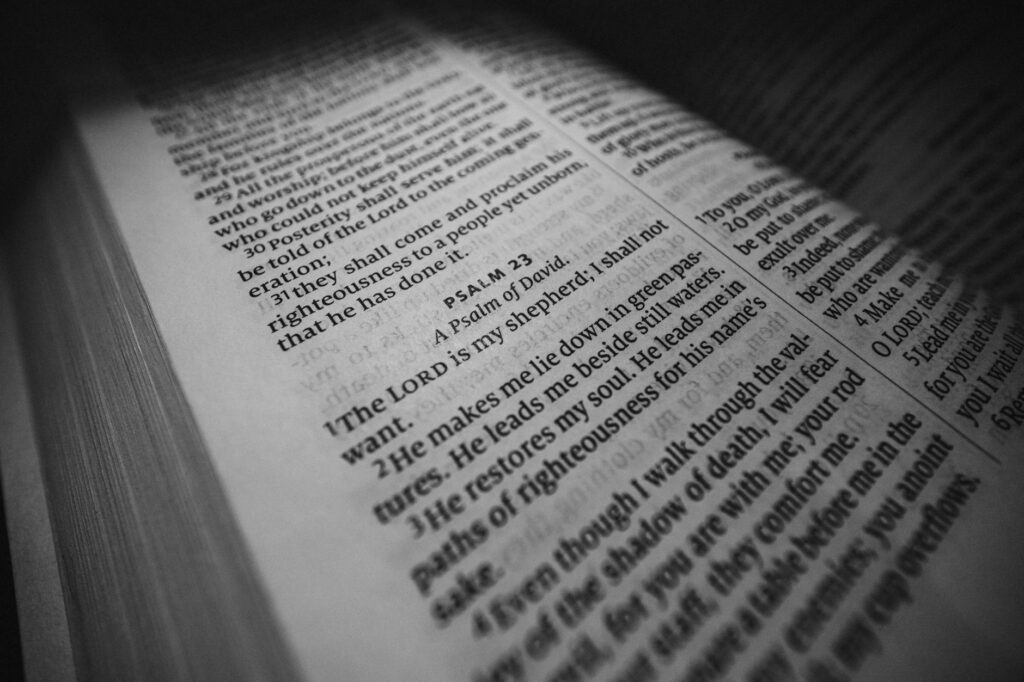
Prayer for Healing
Prayer is a powerful tool in the healing process. It is through prayer that we can communicate our pain to God and seek His comfort and healing touch. The Bible encourages us to pray earnestly for ourselves and for others who are suffering.
In Philippians 4:6-7, we are instructed, “Do not be anxious about anything, but in every situation, by prayer and petition, with thanksgiving, present your requests to God. And the peace of God, which transcends all understanding, will guard your hearts and your minds in Christ Jesus.” This verse emphasizes the peace that comes from bringing our requests before God, including prayers for healing.
Additionally, the Lord’s Prayer (Matthew 6:9-13) serves as a model for how we can approach God in prayer. It includes petitions for our needs, forgiveness, and deliverance from evil, reminding us to seek God’s help in all aspects of our lives, including our healing journey.
Incorporating specific prayers for healing into our daily routine can be transformative. Here is a simple prayer for healing:
Heavenly Father, I come to You in my pain and injury. I ask for Your healing touch upon my body, mind, and spirit. Help me to trust in Your timing and to find peace in Your presence. Amen.
God’s Presence in Times of Injury
Understanding God’s Comfort
In times of injury, whether physical or emotional, it is essential to remember that God is close to the brokenhearted. Psalm 34:18 states, “The LORD is near to the brokenhearted and saves the crushed in spirit.” This verse reassures us that our pain does not go unnoticed; rather, God is intimately aware of our struggles and offers His comfort. His presence can be a source of profound strength and solace as we navigate through our injuries.
Moreover, in 2 Corinthians 1:3-4, we read, “Blessed be the God and Father of our Lord Jesus Christ, the Father of mercies and God of all comfort, who comforts us in all our afflictions.” This passage emphasizes that God’s comfort is not limited to just physical pain but extends to all forms of affliction we may face, including emotional and spiritual injuries. It encourages us to seek Him as our refuge during these difficult times.
Experiencing God’s Strength
In moments of injury, we often feel weak and vulnerable. Yet, it is in these moments that God’s strength can shine through our weaknesses. 2 Corinthians 12:9 reminds us of this truth: “But he said to me, ‘My grace is sufficient for you, for my power is made perfect in weakness.’ Therefore I will boast all the more gladly of my weaknesses, so that the power of Christ may rest upon me.” This verse invites us to embrace our weaknesses, knowing that they create an opportunity for God’s power to manifest in our lives.
When we acknowledge our limitations and turn to God for strength, we open ourselves up to His transformative work. It can be helpful to create a list of ways to lean into God’s strength during times of injury, such as:
- Daily prayer for strength and healing
- Reading and meditating on Scripture
- Journaling about our experiences and God’s faithfulness
- Engaging in worship, whether through music or personal devotion

Lessons from Scripture on Resilience
The Power of Perseverance
Injuries can test our resilience and faith. The Bible provides numerous examples of individuals who faced hardships yet persevered through faith. James 1:2-4 encourages us to view trials as opportunities for growth: “Count it all joy, my brothers, when you meet trials of various kinds, for you know that the testing of your faith produces steadfastness.” This perspective helps us to understand that our injuries can lead to greater spiritual maturity and character development.
Moreover, Romans 5:3-5 states, “Not only that, but we rejoice in our sufferings, knowing that suffering produces endurance, and endurance produces character, and character produces hope, and hope does not put us to shame, because God’s love has been poured into our hearts through the Holy Spirit who has been given to us.” These verses remind us that resilience is not merely about enduring pain but also about growing through it, allowing us to emerge stronger in our faith.
Building Spiritual Resilience
To build resilience in the face of injury, we can adopt habits that reinforce our faith and help us cope with our circumstances. Some practical steps include:
- Practicing gratitude, even in suffering
- Surrounding ourselves with uplifting, faith-filled community
- Engaging in regular acts of service to others
- Studying the lives of resilient biblical figures, such as Job and Paul
By focusing on these actions, we cultivate a spirit of perseverance that enables us to face injuries with hope and grace.
The Role of Hope in the Healing Process
Hope as an Anchor
Hope is a vital component of the healing process for those who have experienced injury. Hebrews 6:19 states, “We have this hope as an anchor for the soul, firm and secure.” This metaphor highlights the stabilizing effect that hope can have amid turbulent times. Hope reminds us that our current circumstances are not the end of the story and encourages us to look forward to the future God has promised.
In Romans 15:13, Paul writes, “May the God of hope fill you with all joy and peace in believing, so that by the power of the Holy Spirit you may abound in hope.” This verse underscores the idea that hope is not merely wishful thinking but a deep-seated confidence in God’s character and promises. As we nurture our hope, we can experience joy and peace even during challenging seasons.
Nurturing Hope Through Scripture
To foster hope in our lives, we can immerse ourselves in Scripture, allowing God’s promises to encourage and uplift us. Here are some strategies for nurturing hope through the Bible:
- Memorizing verses that speak of God’s faithfulness
- Creating a hope jar filled with verses and notes of encouragement
- Participating in Bible studies focused on themes of hope and healing
- Engaging in prayer that emphasizes hope, asking God to renew our spirits
By actively nurturing hope, we can better navigate the journey of healing, trusting that God is with us every step of the way.
Frequently Asked Questions
What does the Bible say about physical injuries?
The Bible acknowledges physical injuries and offers hope for healing. Verses like Isaiah 53:5 remind us that by His wounds, we are healed, pointing to the healing power of Christ.
How can I find comfort in Scripture during my injury?
Reading Psalms and verses about healing can provide comfort. Meditating on God’s promises and seeking His presence in prayer can also help soothe your spirit.
Is emotional healing mentioned in the Bible?
Yes, the Bible addresses emotional healing through verses like Psalm 147:3, which states that God heals the brokenhearted. Seeking God in our pain is crucial.
What role does prayer play in healing?
Prayer is essential in the healing process, as it connects us to God. It allows us to express our pain, seek help, and invite others to pray with us for healing.
The Bottom Line
The Bible offers profound insights and encouragement for those dealing with injuries, whether physical or emotional. Through various scriptures, we learn about God’s desire to heal, the importance of faith, and the role of community support. By grounding ourselves in Scripture and seeking God in our pain, we can find hope and healing on our journey. Remember that you are not alone; God is with you, and His Word provides the comfort you need.
Keep reading
More Overcoming Challenges and Trials →

Bible Verse For Negative Thoughts: Finding Hope and Clarity

Champion Bible Verses: Find Strength and Courage in Scripture

Bible Verses About Bullying: Finding Strength and Hope
Weekly encouragement
Grow in the Word, one email at a time.
Free Bible study guides, prayer help and a verse to carry through your week. No spam, unsubscribe anytime.
Join the conversation