
Faith and Trust in God
Verses About The Heart In The Bible: Insights and Encouragement
Nov 7, 2026 · 13 min read
Explore the importance of personal Bible verses for children, their spiritual growth, and how they can bless their lives.

Key Takeaways
The phrase ‘God bless the child who has his own Bible verse’ resonates deeply within the Christian community. A personal Bible verse can serve as a guiding light, offering comfort, direction, and strength throughout life’s journey. Children, in particular, can benefit immensely from having their own Scripture verse, as it provides them with a sense of identity and belonging in God’s family.
When children can relate to the Bible, it becomes more than just a book; it evolves into a source of inspiration and encouragement. Each verse has the potential to speak to their unique situations, emotions, and challenges. This article explores various aspects of how a personal Bible verse can bless a child’s life, shaping their faith and character.
As parents, guardians, and mentors, recognizing the significance of this practice can lead to more profound spiritual discussions and growth. Through consistent engagement with Scripture, children learn to navigate their world with God’s Word as their compass.
A personal Bible verse is a specific Scripture passage that resonates with an individual, often reflecting their current life circumstances, aspirations, or struggles. For children, this verse becomes a focal point in their spiritual journey. It is a way for them to identify with God’s promises and truths, fostering a deeper relationship with Him.
For example, a child facing anxiety about school might find solace in Philippians 4:6-7, which encourages believers not to be anxious but to present their requests to God. Such verses become tools for children to combat fear and embrace peace, making the Bible relevant to their everyday lives.
Moreover, having a personal verse gives children a sense of ownership over their faith. They learn that God’s Word is not just for adults but is meant for them too. This realization helps solidify their faith foundation, encouraging them to explore other Scriptures and deepen their understanding of God.
Choosing a personal Bible verse can be a meaningful and enriching process. Here are several steps to guide children and their guardians in selecting the right verse:
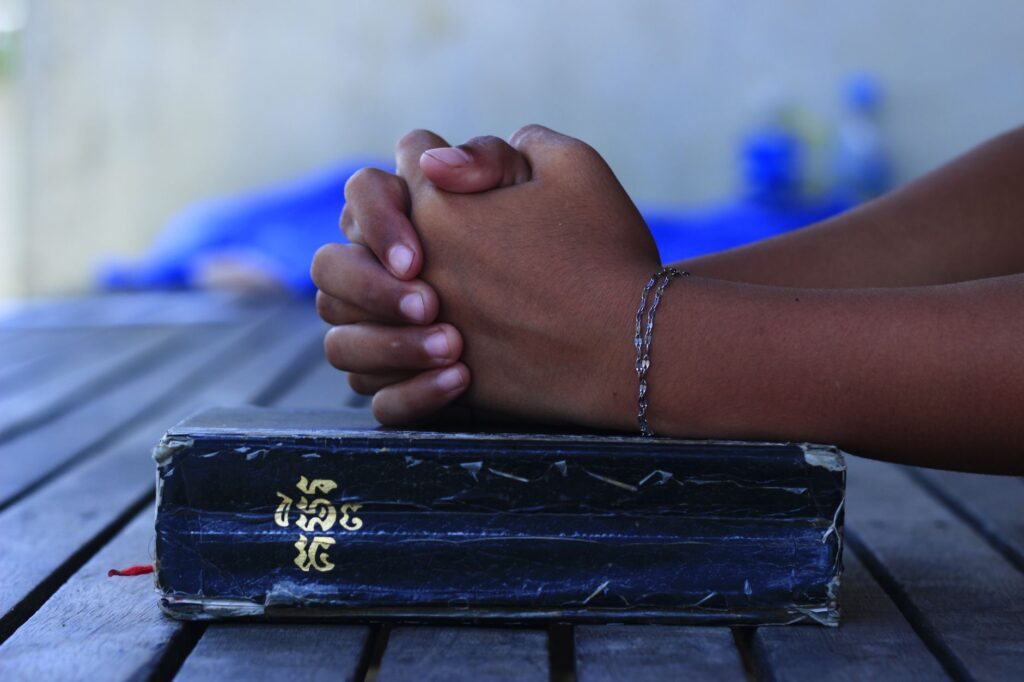
Personal Bible verses can profoundly influence children’s lives, instilling values and principles that guide their decisions. Here are a few key impacts:
Imagine a young boy named Lucas who struggles with feelings of inadequacy at school. Despite his efforts, he often feels overshadowed by his classmates. One day, while reading with his mother, he stumbles upon Psalm 139:14, which says, “I praise you because I am fearfully and wonderfully made; your works are wonderful, I know that full well.” This verse resonates with Lucas, and he decides to memorize it.
Over the weeks, Lucas recites this verse daily, especially before school. It becomes his mantra, reminding him of his worth in God’s eyes. His confidence builds, and he begins to participate more in class discussions. Lucas’s journey shows how a personal Bible verse can transform a child’s perception of themselves, helping them navigate their challenges with faith.
Having a personal Bible verse is only the beginning. Integrating Scripture into daily routines reinforces its importance and helps children internalize its teachings. Here are several practical ways to do this:
As children grow, it’s vital to help them see how Scripture applies to their lives. Discussing real-life situations and relating them back to their personal verse can enhance understanding and relevance. For instance, if a child faces peer pressure, revisit Proverbs 27:17, which emphasizes accountability and friendship. This not only solidifies the verse in their mind but also demonstrates how God’s Word is practical and applicable.
Additionally, share stories of biblical characters who faced similar challenges. For example, discussing David’s courage as he faced Goliath can empower children to confront their giants with faith, mirroring the strength found in their personal verse.

As children embrace their personal Bible verses, they can also encourage peers to discover theirs. This creates a supportive environment where faith can flourish. Here are some suggestions for fostering this practice:
Developing a routine that prioritizes Scripture can cultivate a culture of faith within families and communities. Here are some strategies to encourage this:
When selecting a personal Bible verse for your child, it’s essential to consider their unique personality traits. Children often express themselves in ways that reflect their character, whether they are naturally outgoing, contemplative, or adventurous. Understanding your child’s personality can guide you in finding a verse that resonates with them.
For example, a child who loves to explore might connect with Proverbs 3:5-6, which encourages trust in the Lord and acknowledges Him in all paths. Conversely, a more introspective child may appreciate Philippians 4:6-7, which speaks to the importance of prayer and finding peace in God.
Another valuable approach when choosing a Bible verse is to explore various themes that align with your child’s current life experiences. Themes such as courage, kindness, love, and perseverance can be especially meaningful during formative years. For instance, a child facing a new school environment might find comfort in Joshua 1:9, which encourages strength and courage.
Additionally, consider these themes and corresponding verses:
Once you have chosen a verse, encourage your child to reflect on its meaning and how it applies to their life. This can be a wonderful opportunity for deeper conversations about faith and personal growth. Lead discussions by asking open-ended questions that prompt them to think critically about the verse.
For example, you might ask:
These discussions can help solidify the verse’s significance and foster a stronger connection to Scripture.

One effective way to help your child connect with their personal Bible verse is through creative expression. Encourage them to illustrate the verse visually or create a piece of art that embodies its message. This can be done through drawing, painting, or even crafting a collage using magazine cutouts that relate to the verse.
Engaging in artistic activities not only makes the verse more memorable but also allows your child to express their interpretation of God’s Word. For instance, if they choose Matthew 5:14, which states, “You are the light of the world,” they might create a bright and colorful depiction of a lighthouse or a sunset, symbolizing hope and guidance.
A personalized Bible verse journal can be an excellent tool for your child to explore their faith more deeply. Encourage them to write down their chosen verse, along with thoughts, reflections, and prayers inspired by it. This journal can serve as a spiritual diary where they document how the verse speaks to them over time and how it influences their actions and decisions.
Here are some ideas for journal entries:
Transforming a space in your home to highlight your child’s chosen Bible verse can be a constant reminder of its significance. Consider creating a display in their room, such as a framed piece of art featuring the verse or a bulletin board where they can pin related thoughts and images. This visual representation can serve as an everyday encouragement and inspire them to live out the verse’s message.
Sharing your child’s journey of discovering their personal Bible verse can create a sense of community and support. Encourage family members and close friends to share their favorite verses with your child. This exchange can lead to meaningful conversations and strengthen relationships centered around faith.
Consider organizing a small gathering where each person shares their selected verses and what they mean to them. This can be a powerful bonding experience and show your child that they are not alone in their faith journey.
Once your child has embraced their personal Bible verse, encourage them to live it out through acts of kindness and service. Challenge them to find ways to apply the verse in real-world situations, whether helping a friend in need, volunteering, or simply being a source of encouragement to others.
Acts of kindness inspired by Scripture can reinforce the teachings of the Bible and demonstrate how living out their faith can make a positive impact. For example, if their verse is Galatians 6:2, which encourages bearing one another’s burdens, they might start a project to help those in their community.
As parents or guardians, modeling a life grounded in Scripture is crucial for your child’s faith development. Regularly share your own experiences with personal Bible verses and how they guide you in your daily life. Whether discussing challenges you’ve faced or moments of joy where you felt God’s presence, these stories can inspire your child to seek their own connection with Scripture.
By actively engaging with your child’s faith journey and demonstrating the importance of Scripture, you are encouraging them to cherish their personal Bible verse and the relationship they have with God.
A personal Bible verse serves as a spiritual anchor, providing encouragement, guidance, and comfort in a child’s life. It helps them connect with God’s promises and truths.
Encourage your child to reflect on their experiences, read through Scripture together, and pray for guidance. Discuss the verses that resonate with them and seek God’s will in the selection process.
Revisit the verse together and incorporate it into daily life again. Use fun methods like games or songs to help reinforce memory and understanding.
Absolutely! Children can have multiple verses that speak to different areas of their lives. As they grow and face new challenges, they may find new verses that resonate with their experiences.
God bless the child who has his own Bible verse. This practice can deeply enrich their spiritual journey, providing them with a source of strength, comfort, and encouragement. By engaging with Scripture, children learn to navigate life through the lens of faith, fostering resilience and a lasting relationship with God. Encouraging them to explore and embrace their personal verses can have a profound impact on their lives, shaping their character and guiding their actions.
Weekly encouragement
Free Bible study guides, prayer help and a verse to carry through your week. No spam, unsubscribe anytime.



Join the conversation