
Faith and Trust in God
Finding Peace in Waiting: Bible Verse About Waiting For God’s Timing
Nov 7, 2026 · 12 min read
Explore the Bible Trumpet Verse, its meaning, significance, and how it calls us to respond to God's message in our lives.
Key Takeaways
Throughout the Bible, various symbols and sounds carry significant meanings that resonate with the faithful. One of the most powerful and evocative sounds mentioned is that of a trumpet. The trumpet is not merely a musical instrument; it serves as a divine call to attention, signifying important moments in the history of God’s people. This article will explore the Bible Trumpet Verse, its context, significance, and how it encourages us to respond to God’s message in our lives.
From the Old Testament to the New Testament, the trumpet is used to announce events, call people to worship, and signify God’s presence. Understanding the role of the trumpet in Scripture can enhance our insight into God’s communication with us and our response to His calls. We will examine key verses related to the trumpet, illustrating how this symbol can inspire our faith today.
In our journey of faith, recognizing the trumpet’s call can lead us to meaningful transformations. Each trumpet sound encapsulates urgency, preparation, and readiness. Whether it’s a call to worship, repentance, or action, the trumpet urges us to align our lives with God’s purposes. As we explore the biblical references to trumpets, we will seek to understand their meanings and applications in our daily lives.
The use of trumpets in the Old Testament serves various purposes, deeply rooted in the spiritual and communal life of the Israelites. One of the primary functions of trumpets was to summon the people for worship and important gatherings. For example, in Numbers 10:2-3, God commands Moses to make two silver trumpets for the purpose of calling the congregation together:
“Make two trumpets of silver for yourself; you shall make them of hammered work. You shall use them for calling the congregation and for directing the movement of the camps.”
This directive underscores the trumpet’s role in maintaining order and unity among the people of Israel. The sound of the trumpet would signal that it was time to gather, reminding the people of their collective identity and purpose under God.
Additionally, the trumpet served as a call to battle. In the book of Joshua, we see the trumpets played a crucial role during the siege of Jericho. The Israelites marched around the city, and at the sound of the trumpets, the walls fell down (Joshua 6:20). This event illustrates how the trumpet was not only a call to worship but also a powerful instrument of divine intervention and victory.
Moreover, trumpets were used to announce the new moon and significant religious festivals. In Psalm 81:3, we read:
“Blow the trumpet at the new moon, at the full moon, on our solemn feast day.”
This verse highlights the trumpet’s role in marking sacred times, encouraging the people to come together in worship and celebration. The sound of the trumpet would resonate with the joy of community and the faithfulness of God.
The spiritual significance of the trumpet extends beyond its sound; it symbolizes the call to spiritual alertness and readiness. In Joel 2:1, the prophet calls the people to awaken their spirits with the sound of the trumpet:
“Blow the trumpet in Zion; sound an alarm on my holy mountain! Let all the inhabitants of the land tremble, for the day of the Lord is coming; it is near.”
This verse reveals the trumpet’s role in signaling a time of preparation and repentance. The call to action is clear: God desires His people to be vigilant and ready for His coming. The trumpet is a reminder that we are to live in anticipation of God’s presence and work in our lives.
Furthermore, the trumpet represents the proclamation of God’s message. In prophetic literature, the trumpet’s sound often heralds divine judgment or the announcement of God’s deliverance. This duality calls Christians to reflect on their own lives, assessing where they may need to repent or where they can proclaim God’s goodness.

The New Testament continues the theme of the trumpet, showcasing its significance in announcing key events in God’s redemptive plan. One of the most profound references comes from Matthew 24:31, where Jesus speaks of His second coming:
“And he will send out his angels with a loud trumpet call, and they will gather his elect from the four winds, from one end of heaven to the other.”
This passage emphasizes the trumpet’s role as a divine summons, signaling the culmination of God’s plan for humanity. The sound of the trumpet here is not just an announcement; it is a gathering of God’s people, an invitation to be part of His eternal kingdom.
Additionally, in 1 Thessalonians 4:16, the apostle Paul writes about the return of Christ:
“For the Lord himself will descend from heaven with a cry of command, with the voice of an archangel, and with the sound of the trumpet of God. And the dead in Christ will rise first.”
Here, the trumpet signifies hope and resurrection. It serves as a powerful reminder that God will reclaim His people, leading them into everlasting life. The trumpet call emphasizes the urgency and importance of being spiritually prepared for that moment.
This theme of readiness is echoed in the parable of the ten virgins in Matthew 25:1-13, where the wise virgins had their lamps ready. The trumpet, in this context, invites us to consider our own spiritual preparedness for Christ’s return. Are we ready to respond when we hear the call?
Understanding the trumpet’s significance in both the Old and New Testaments invites us to apply its lessons in our daily lives. Here are several practical applications we can draw from the biblical trumpet verses:
Consider a local church planning an outreach event. The pastor announces this event through various channels, encouraging the congregation to participate. As the day approaches, the church leadership sends reminders, much like a trumpet call, urging everyone to get involved.
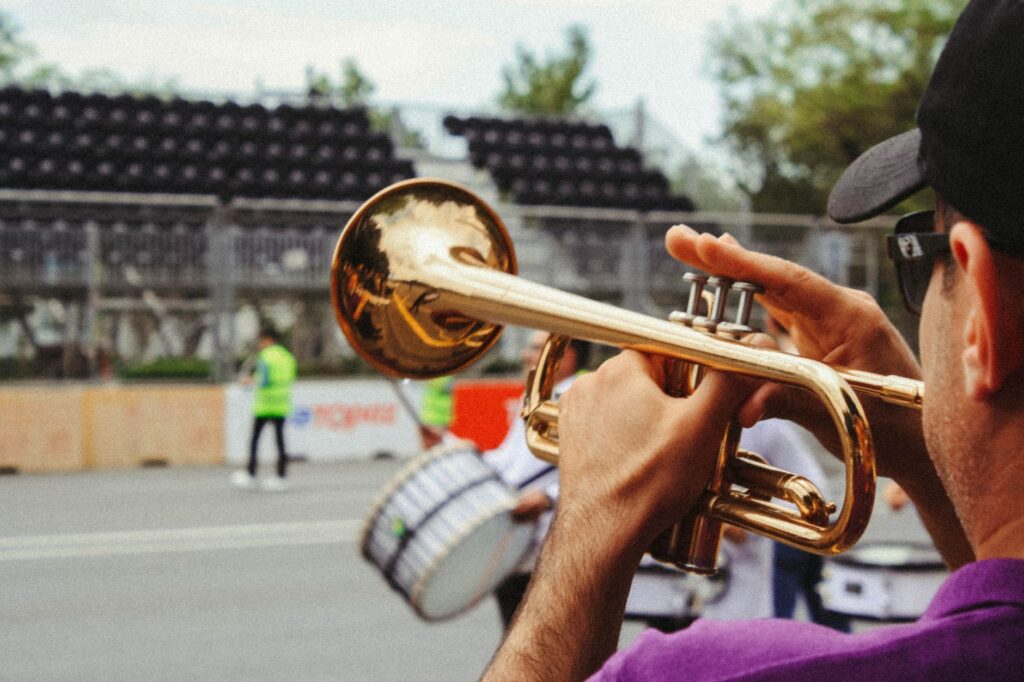
On the day of the event, the sound of the trumpet, perhaps a literal trumpet played by a member of the worship team, signals the start of the gathering. People come together, united by the purpose of sharing the love of Christ with their community. The sound not only draws them in but also reminds them of their collective mission to serve and share the Gospel.
This scenario illustrates how the trumpet’s call can reflect a spiritual awakening and collective action among believers. When we respond to God’s call, whether through a literal trumpet or the nudging of the Holy Spirit, we participate in His work in the world.

In ancient Israel, trumpets played a significant role in worship and religious ceremonies. They were not merely instruments but symbols of divine communication. The use of trumpets in the temple service is highlighted in Numbers 10:1-10, where God commands Moses to make two silver trumpets for the assembly. These trumpets were used to summon the people and to direct them during their journeys, serving as a powerful reminder of God’s presence and guidance.
Furthermore, the trumpets were integral to the festivals and sacrifices. During the Feast of Trumpets, also known as Rosh Hashanah, the blowing of the shofar (a ram’s horn trumpet) signified a call to repentance and reflection. In Leviticus 23:23-25, the Lord instructs the Israelites to observe a day of rest marked by trumpet blasts, highlighting the trumpets’ role in worship and remembrance.
The trumpet serves as a powerful metaphor for spiritual awakening throughout Scripture. In Isaiah 58:1, the prophet is commanded to “shout it aloud, do not hold back. Raise your voice like a trumpet.” This call emphasizes the urgency and importance of proclaiming God’s truth and calling His people to righteousness. The imagery of a trumpet is often associated with awakening the soul from spiritual slumber.
Moreover, the Apostle Paul echoes this call in Romans 13:11, where he encourages believers to awaken from sleep and realize the time for salvation is near. In both instances, the trumpet symbolizes a wake-up call for believers to become aware of their spiritual state and respond to God’s call.
Throughout the prophetic books, trumpets are often synonymous with significant announcements and divine interventions. In Joel 2:1, the prophet declares, “Blow the trumpet in Zion; sound the alarm on my holy hill.” This verse not only signifies an impending judgment but also serves as a call for repentance and preparation for the coming day of the Lord.
The Book of Revelation further amplifies the eschatological significance of trumpets. In Revelation 8:6, the seven trumpets are sounded by angels, each heralding various judgments upon the earth. This imagery emphasizes the seriousness of God’s message and the impending fulfillment of His divine plan. The trumpet here serves as a warning to humanity to heed God’s call and recognize the urgency of repentance.
The concept of the last trumpet is a powerful theme in Christian eschatology. In 1 Corinthians 15:51-52, Paul writes, “Listen, I tell you a mystery: We will not all sleep, but we will all be changed, in a flash, in the twinkling of an eye, at the last trumpet. For the trumpet will sound, the dead will be raised imperishable, and we will be changed.” This passage underscores the transformative power of the trumpet, marking the resurrection of the dead and the fulfillment of God’s promise of eternal life.
This theme is echoed in 1 Thessalonians 4:16, where it states that the Lord himself will descend from heaven with a loud command, with the voice of the archangel and with the trumpet call of God. The resurrection and the rapture of the church are directly connected to this trumpet call, emphasizing its eschatological importance.

In the New Testament, trumpets can symbolize the call to unity within the body of Christ. In Ephesians 4:3, Paul urges believers to make every effort to keep the unity of the Spirit through the bond of peace. The sound of a trumpet can remind the church to come together for a common purpose, echoing the call of God to work in harmony.
The trumpet’s unifying call is also mirrored in the Great Commission found in Matthew 28:19-20. Jesus commands His followers to go and make disciples of all nations, highlighting the need for collaboration and unity among believers to fulfill God’s mandate. The trumpet serves as a rallying call for the church to unite in mission and purpose.
The sound of a trumpet can evoke a sense of encouragement and hope. In Psalm 150:3, the psalmist exhorts, “Praise him with the sounding of the trumpet.” This verse emphasizes the role of music and sound in worship as a means to uplift and encourage the congregation. The joyful sound of the trumpet can inspire believers to praise God collectively.
In addition, the use of trumpets in worship can foster a sense of community. When believers gather to worship with instruments, including trumpets, they create an atmosphere of unity and shared purpose. This communal worship is a vital aspect of church life that strengthens the bonds among believers.
The trumpet symbolizes alertness, a call to worship, and a signal for action. It is often associated with divine announcements and the gathering of God’s people.
The trumpet is mentioned numerous times throughout the Bible, particularly in the books of Exodus, Leviticus, Numbers, Joshua, and Revelation. Each mention carries significance related to God’s message and His people’s response.
In prophecy, the trumpet signifies the announcement of significant events, such as judgments or the coming of the kingdom of God. It calls believers to be prepared and attentive to God’s plans.
You can apply the lessons of the trumpet by being attentive to God’s voice, gathering with other believers, living in anticipation of Christ’s return, and boldly proclaiming the Gospel to others.
The Bible Trumpet Verse serves as a powerful reminder of God’s call to His people. It signifies alertness, communal worship, and preparation for divine action. By understanding its context and significance, we can respond to God’s messages in our lives with faithfulness and intentionality. As we hear the trumpet’s call, let us be ready to gather, worship, and share the love of Christ with those around us.
Weekly encouragement
Free Bible study guides, prayer help and a verse to carry through your week. No spam, unsubscribe anytime.



Join the conversation