My Soul Cries Out Hallelujah: Bible Verses and Reflections
Explore the meaning of 'My Soul Cries Out Hallelujah' through scripture and reflections that uplift your spirit and deepen your faith.

Key Takeaways
- Understanding the expression of Hallelujah in worship.
- Key Bible verses that resonate with praise.
- Real-life illustrations of experiencing hallelujah moments.
- Practical insights for incorporating praise into daily life.
The phrase ‘My soul cries out Hallelujah’ captures the essence of profound gratitude and worship in the life of a believer. The term ‘Hallelujah’ means ‘Praise the Lord’ and is a powerful declaration of faith and joy. It expresses not just a moment of worship but a lifestyle centered around acknowledging God’s goodness and grace.
Throughout the Bible, we find numerous instances where individuals and communities lift their voices in praise, often in response to God’s faithfulness, mercy, and love. This article will explore the biblical foundations of this expression and how it can resonate in our daily lives. By understanding key verses and real-life applications, we can learn to let our souls genuinely cry out in worship.
As we journey through this exploration, consider how praising God can transform our perspective, especially during challenging times. Praise is not merely an emotion; it is a choice to recognize God’s sovereignty and goodness, regardless of our circumstances.
The Meaning Behind ‘Hallelujah’
‘Hallelujah’ is a compound word derived from Hebrew, combining ‘hallel,’ meaning ‘to praise,’ and ‘Yah,’ a shortened form of ‘Yahweh,’ the personal name of God. This term appears frequently in the Psalms, emphasizing its significance in worship and communal gatherings.
In Psalm 150:1-6, the psalmist calls for all creation to praise the Lord, illustrating that praise is a universal response to God’s majesty. It encourages believers to use various instruments and voices to declare their adoration, showing that praise can take on many forms:
- Praising through music and instruments.
- Praising through dance and movement.
- Praising through silence and reflection.
The concept of ‘Hallelujah’ extends beyond mere words; it encompasses our entire being. It reflects a heart posture of thankfulness and reverence toward God. In moments of joy, we might spontaneously exclaim ‘Hallelujah!’ as an expression of our delight in God’s blessings. Conversely, in times of struggle, declaring ‘Hallelujah’ can serve as a powerful reminder of God’s unwavering presence in our lives.
Key Bible Verses of Praise
Several scripture passages encapsulate the spirit of praise and the declaration of ‘Hallelujah.’ Here are some notable verses that can inspire your own expressions of worship:
- Psalm 146:1-2: “Praise the Lord! Praise the Lord, my soul! I will praise the Lord all my life; I will sing praise to my God as long as I live.”
- Psalm 103:1: “Praise the Lord, my soul; all my inmost being, praise his holy name.”
- Revelation 19:1-6: “After this, I heard what sounded like the roar of a great multitude in heaven shouting: ‘Hallelujah! Salvation and glory and power belong to our God.'”
- Psalm 30:12: “That my heart may sing your praises and not be silent. Lord my God, I will praise you forever.”
- Isaiah 12:5: “Sing to the Lord, for he has done glorious things; let this be known to all the world.”
These verses highlight the importance of both individual and communal praise. They remind us that worship is a central aspect of our relationship with God, encouraging us to express our deepest feelings of love and gratitude.

Real-Life Illustration: A Moment of Praise
Consider a woman named Sarah, who faced a challenging season in her life. After losing her job unexpectedly, she struggled with feelings of inadequacy and fear about the future. One evening, while sitting in her living room, she opened her Bible to the Psalms and began to read aloud. As she read Psalm 34:1, “I will extol the Lord at all times; his praise will always be on my lips,” something shifted within her. In that moment, she chose to praise God for His faithfulness, despite her circumstances.
Sarah began to sing hymns that spoke of God’s promises and goodness. With each note, her heart lightened, and her worries began to fade. She realized that praising God was not about her situation but about recognizing who God is, her provider, her comforter, and her strength. This experience became a turning point for her, reminding her that even in uncertainty, her soul could still cry out ‘Hallelujah.’
This illustration serves as a powerful reminder that our circumstances do not dictate our ability to praise. Instead, praise can lead us to a deeper understanding of God’s presence and faithfulness in our lives.
Incorporating Praise in Daily Life
Finding ways to incorporate praise into your daily routine can transform your spiritual life. Here are some practical tips to help you cultivate a heart of worship:
- Start Your Day with Worship: Begin each morning by listening to worship music or reading a Psalm. This sets a tone of gratitude and praise for the day ahead.
- Keep a Praise Journal: Write down moments when you see God’s hand at work in your life. Reflecting on these instances can deepen your appreciation and encourage you to express praise regularly.
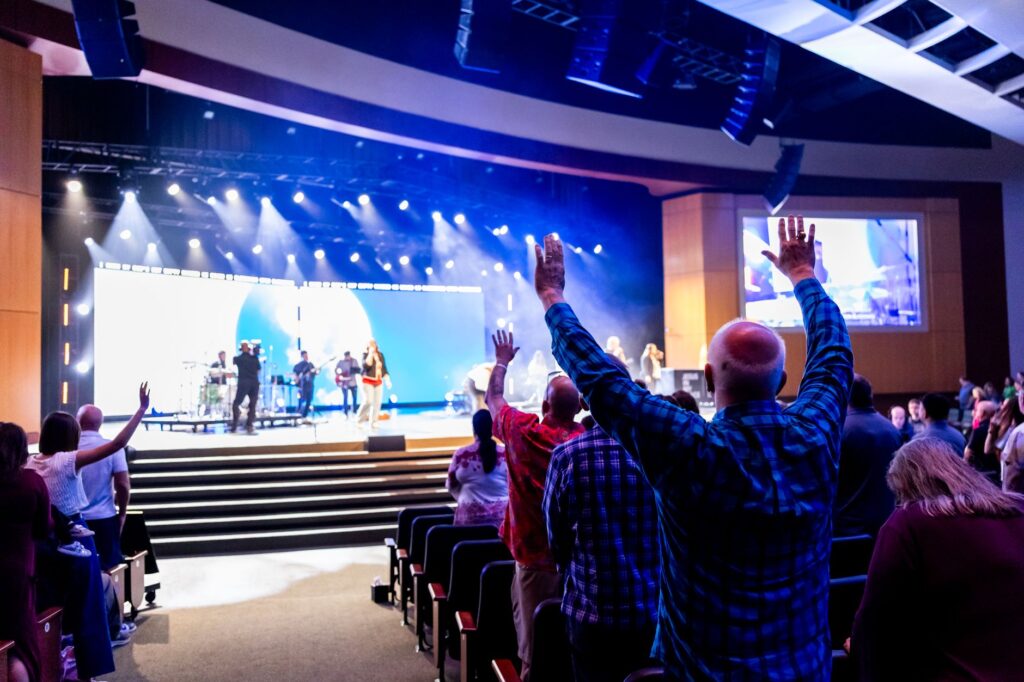
- Join a Worship Gathering: Participate in community worship through your church or small group. There is strength in praising God together, as it fosters a sense of unity and shared faith.
- Use Your Gifts: If you have musical talent or another creative gift, use it to praise God. Whether it’s singing, painting, or writing, express your worship through your unique abilities.
- Practice Gratitude: Make it a habit to thank God for specific blessings each day. As you acknowledge His goodness, your heart will naturally overflow with praise.
Incorporating these practices into your life can create a rhythm of praise that enriches your relationship with God and encourages those around you.


The Power of Praise in Worship
Praise is a vital element of Christian worship that not only honors God but also transforms the hearts of believers. When we gather for worship, the atmosphere is charged with the energy of collective praise. This section explores how praise enhances our worship experience and strengthens our faith.
The Role of Music in Worship
Music is a powerful tool in worship that complements our praise. Throughout the Bible, we see music being used to glorify God. In Psalm 100:1-2, we are instructed to “make a joyful noise unto the Lord, all ye lands. Serve the Lord with gladness: come before his presence with singing.” This verse emphasizes that singing is not merely an act but a way to express our joy and reverence for God.
Consider the following points about the role of music in worship:
- It creates a communal experience: When we sing together, we unite in a shared expression of faith.
- It enhances emotional connection: Music can evoke strong feelings and draw us closer to God.
- It aids in memorization: Melodies can help us remember Scripture and truths about God more easily.
The Impact of Corporate Praise
Corporate praise, or the collective worship of a congregation, has a profound impact on individual believers. In Matthew 18:20, Jesus assures us that “For where two or three are gathered together in my name, there am I in the midst of them.” This promise reminds us that our collective praise creates a powerful spiritual atmosphere where God dwells among us.
Engaging in corporate praise can yield several benefits:
- Strengthened community bonds: Shared praise fosters a deeper sense of belonging among church members.
- Increased faith: Witnessing others’ expressions of faith can encourage and strengthen our own.
- Collective intercession: Corporate worship allows us to lift our voices together in prayer and supplication.
The Transformative Nature of Praise
Praise not only glorifies God but also transforms our own hearts and minds. It shifts our focus from our problems to God’s greatness, allowing us to experience His peace and joy. This section delves into the transformative effects of praise in our daily lives.
Praise as a Weapon Against Anxiety
In times of anxiety and fear, praise serves as a powerful weapon. Philippians 4:6-7 encourages us to “be anxious for nothing; but in everything by prayer and supplication with thanksgiving let your requests be made known unto God. And the peace of God, which passeth all understanding, shall keep your hearts and minds through Christ Jesus.” This passage highlights the importance of thanksgiving in prayer, suggesting that praise can alleviate our worries.
When we focus on praising God, we shift our mindset from anxiety to gratitude. Here are some practical ways to utilize praise when feeling anxious:
- Listen to uplifting worship music that focuses on God’s character.
- Write down specific things you are thankful for and praise God for them.
- Share your praises with a friend or in a small group to encourage one another.
Experiencing Joy Through Praise
Praise inherently brings joy. Psalm 30:11-12 states, “Thou hast turned for me my mourning into dancing: thou hast put off my sackcloth, and girded me with gladness; to the end that my glory may sing praise to thee, and not be silent. O Lord my God, I will give thanks unto thee forever.” This verse beautifully illustrates how God exchanges our sorrow for joy when we praise Him.
To foster a joyful spirit through praise, consider implementing these practices:
- Start your day with a praise-filled prayer, thanking God for His goodness.
- Incorporate praise into your family routines, such as sharing a praise report at dinner.
- Join a Bible study group that focuses on worship and praise to deepen your understanding.

The Connection Between Praise and Prayer
Praise and prayer are intricately connected in the life of a believer. While prayer is a means of communication with God, praise elevates our hearts to recognize His sovereignty and grace. This section examines how praise enhances our prayer life.
Praise as a Prelude to Prayer
Beginning our prayers with praise sets the tone for our communication with God. Psalm 95:2 encourages us to “come before his presence with thanksgiving, and make a joyful noise unto him with psalms.” Starting with praise helps us to center our thoughts on God’s character rather than our immediate needs.
Here are some suggestions for incorporating praise into your prayer life:
- Start each prayer session by listing attributes of God that you admire.
- Use Scripture-based prayers that incorporate praise, such as Psalms.
- Take time to reflect on answered prayers and express gratitude before making new requests.
The Role of Praise in Intercessory Prayer
Intercessory prayer, or praying on behalf of others, greatly benefits from the inclusion of praise. When we intercede for others, praising God for His faithfulness and goodness can strengthen our faith and the faith of those we are praying for. James 5:16 reminds us, “The effectual fervent prayer of a righteous man availeth much,” and part of that fervency can come from a heart of praise.
To enhance your intercessory prayers with praise, consider these practices:
- Before praying for others, spend time praising God for His power and ability to intervene.
- Encourage those you pray for to join you in praising God for His faithfulness.
- Document the prayers and praises, tracking how God answers over time.
Frequently Asked Questions
What does ‘Hallelujah’ mean in the Bible?
‘Hallelujah’ means ‘Praise the Lord.’ It is a term used throughout the scriptures to express worship and gratitude towards God.
Where in the Bible does it say ‘My soul cries out Hallelujah’?
While the exact phrase ‘My soul cries out Hallelujah’ is not a direct quote from the Bible, it encapsulates the spirit of many verses that call for the soul to praise God, such as Psalm 103:1.
How can I express praise in difficult times?
Praising God during difficult times can be done through prayer, singing, reading scripture, or even journaling. Focusing on God’s character and past faithfulness can help shift your perspective.
Can praise change my circumstances?
While praise may not change your circumstances directly, it can change your heart and mind, enabling you to view your situation through the lens of faith and hope in God.
The Bottom Line
Understanding what it means when ‘My soul cries out Hallelujah’ helps us recognize the importance of praise in our lives. Through scripture, real-life examples, and practical applications, we see that praise is not just an expression of joy but a powerful act of faith. As you learn to let your soul cry out in worship, you open yourself to a deeper relationship with God and a more profound sense of peace and joy, regardless of your circumstances.
Keep reading
More Praise, Worship & Thanksgiving →



Weekly encouragement
Grow in the Word, one email at a time.
Free Bible study guides, prayer help and a verse to carry through your week. No spam, unsubscribe anytime.
Join the conversation