Bible Verse About Hiding Sin: Understanding Its Impact
Discover key Bible verses about hiding sin and learn how transparency with God leads to healing and freedom.

Key Takeaways
- Hiding sin can lead to spiritual distance from God.
- Confession and repentance are crucial for healing.
- Scripture encourages honesty and transparency.
- Understanding the consequences of sin helps us grow.
As believers, we often find ourselves caught in the struggle between our desire to live righteously and the reality of our human imperfections. One significant aspect of this struggle is the tendency to hide our sins, believing that secrecy will protect us from judgment or consequences. However, the Bible offers profound insights into the nature of sin, the futility of hiding it, and the freedom that comes from confession and repentance.
This article will explore key Bible verses about hiding sin, its implications, and the path toward restoration and healing. By understanding God’s perspective on sin, we can embrace a life characterized by honesty, grace, and transformation.
The act of hiding sin is not a new phenomenon. From the very beginning, humanity has grappled with guilt and shame. In Genesis, Adam and Eve attempted to hide from God after their disobedience. Their story illustrates the instinctive human response to conceal wrongdoing, a response that is still prevalent today.
Understanding the Nature of Sin
To grasp why hiding sin is detrimental, we must first understand what sin is in the context of Scripture. Sin, as defined in the Bible, is any thought, word, or action that goes against God’s will and His commands. Romans 3:23 states, “For all have sinned and fall short of the glory of God.” This verse emphasizes that everyone, without exception, is susceptible to sin.
Hiding sin often stems from a misunderstanding of God’s character. Some may perceive Him as a harsh judge, eager to punish wrongdoing. However, the Bible reveals God as loving and merciful, desiring a relationship with His creation. Psalm 103:8-10 beautifully illustrates this: “The Lord is merciful and gracious, slow to anger and abounding in steadfast love. He will not always chide, nor will he keep his anger forever. He does not deal with us according to our sins, nor repay us according to our iniquities.” Understanding this aspect of God’s nature encourages us to approach Him with our failures rather than hiding them.
Another critical aspect of sin is its relational impact. Sin disrupts our relationship with God and can create barriers in our relationships with others. When we harbor unconfessed sin, it can lead to feelings of isolation, shame, and guilt, which can further entrench us in a cycle of hiding. Proverbs 28:13 reminds us, “Whoever conceals his transgressions will not prosper, but he who confesses and forsakes them will obtain mercy.” This verse highlights the importance of bringing our sins into the light for healing and restoration.
The Consequences of Hiding Sin
When we choose to hide our sins, we may think we are protecting ourselves, but the reality is often quite the opposite. Holding onto unconfessed sin can lead to spiritual decay, emotional turmoil, and relational strain. Here are a few specific consequences of hiding sin:
- Spiritual Distance: Sin creates a barrier between us and God. When we refuse to acknowledge our sins, we distance ourselves from His presence. Isaiah 59:2 states, “But your iniquities have made a separation between you and your God, and your sins have hidden his face from you so that he does not hear.” This separation can lead to feelings of abandonment and confusion about our faith.
- Guilt and Shame: Hiding sin often leads to overwhelming feelings of guilt and shame. This emotional burden can weigh heavily on us, affecting our mental and spiritual health. Psalm 32:3-4 captures this struggle: “For when I kept silent, my bones wasted away through my groaning all day long. For day and night your hand was heavy upon me; my strength was dried up as by the heat of summer.”
- Relational Strain: Sin not only affects our relationship with God but can also damage our relationships with others. When we hide our sins, it can lead to dishonesty and a lack of trust. This strain can manifest in various ways, including conflict, resentment, and ultimately isolation.
These consequences illustrate why God desires us to be open and honest about our shortcomings. He longs to restore us, but first, we must acknowledge our need for His mercy.

God’s Call to Confession
Rather than hiding our sins, God calls us to bring them into the light. This call to confession is not meant to shame us but to liberate us. 1 John 1:9 states, “If we confess our sins, he is faithful and just to forgive us our sins and to cleanse us from all unrighteousness.” This promise reassures us of God’s readiness to forgive and restore, regardless of the depth of our transgressions.
Confession is an essential step in our spiritual journey. It involves acknowledging our sins, feeling genuine remorse, and turning away from those actions. This process is often accompanied by prayer, where we seek God’s guidance and strength to overcome our shortcomings. James 5:16 encourages us to confess our sins to one another and pray for each other so that we may be healed. This communal aspect of confession fosters accountability and support, reinforcing our commitment to live in accordance with God’s will.
Consider the illustration of a young man named David. He grew up in a Christian home and was well-versed in Scripture. However, as he entered college, he began to engage in activities that conflicted with his values. At first, he tried to hide his actions, believing he could manage his life independently. But the weight of his hidden sin became unbearable, leading to anxiety and a sense of disconnection from God and his friends. Eventually, David decided to confide in a trusted mentor, confessing his struggles. This act of vulnerability not only relieved his burden but also led to a pathway of healing as he embraced accountability and support.
The Freedom Found in Transparency
Living transparently before God and others brings an incredible sense of freedom. When we stop hiding our sins, we open ourselves to the fullness of God’s grace and mercy. As we confess, we experience a deep sense of relief as burdens are lifted, and our hearts are restored. Galatians 5:1 reminds us, “For freedom, Christ has set us free; stand firm therefore, and do not submit again to a yoke of slavery.” Hiding sin only enslaves us, while confession leads us to true freedom.
Moreover, transparency allows us to grow in our faith. When we are honest about our struggles, we cultivate an environment where others feel safe to share their own challenges. This mutual vulnerability strengthens our community and fosters a deeper understanding of God’s grace. In Ephesians 4:15, we are called to speak the truth in love, promoting growth and unity within the body of Christ.
Additionally, living transparently can serve as a powerful testimony to others. When we share our struggles and the transformation God has brought about in our lives, we reflect His redemptive power. This openness can inspire others to seek healing and restoration in their lives as well.


Practical Steps to Address Hidden Sin
Recognizing the need to confront hidden sin is the first step toward spiritual growth. Here are some practical steps you can take to address sin in your life:
- Engage in Self-Examination: Regularly take time to reflect on your thoughts, words, and actions. Ask the Holy Spirit to reveal any areas of your life where you may be hiding sin.
- Confess to God: Approach God in prayer, acknowledging your sins and asking for His forgiveness. Be specific in your confession, as this helps to cultivate honesty in your relationship with Him.
- Seek Accountability: Find a trusted friend or mentor with whom you can share your struggles. This person can provide support, encouragement, and accountability as you move toward healing.
- Study Scripture: Dive into the Word of God to gain understanding and insights into the nature of sin and God’s desire for your life. Verses such as Psalm 51:10, “Create in me a clean heart, O God, and renew a right spirit within me,” can guide your prayers.
- Practice Gratitude: Cultivating a heart of gratitude can help shift your focus from your shortcomings to God’s goodness. Regularly express thankfulness for His grace and mercy in your life.
The Weight of Guilt and Shame
Understanding Guilt in the Light of Scripture
Guilt is a powerful emotion that arises when we recognize our shortcomings and failures, especially in relation to sin. Psalm 38:4 states, “My guilt has overwhelmed me like a burden too heavy to bear.” This verse emphasizes how guilt can weigh us down, affecting not only our spiritual state but also our emotional and mental well-being. When we hide our sins, this burden can grow exponentially, leading to feelings of isolation and despair.
In Romans 3:23, we are reminded, “For all have sinned and fall short of the glory of God.” This universal truth can initially feel condemning, but it also serves as a reminder that we are not alone in our struggles. Recognizing our shared human experience of sin can help us understand that hiding it only serves to exacerbate our feelings of guilt and shame.
The Spiritual Consequences of Guilt
When we harbor guilt from hidden sin, we create a barrier between ourselves and God. Isaiah 59:2 explains, “But your iniquities have separated you from your God; your sins have hidden his face from you, so that he will not hear.” This separation can lead to a spiritual drought, making it difficult to feel God’s presence and experience His peace.
- Spiritual Drought: A feeling of dryness in prayer and worship.
- Loss of Joy: A diminished sense of joy and fulfillment in life.
- Difficulty in Relationships: Strained relationships with others due to internal conflict.
Understanding the spiritual consequences of guilt can motivate us to confront our hidden sins. By bringing these issues before God and seeking His forgiveness, we can restore our relationship with Him and alleviate the burden we carry.

The Healing Power of Confession
Confession as a Path to Restoration
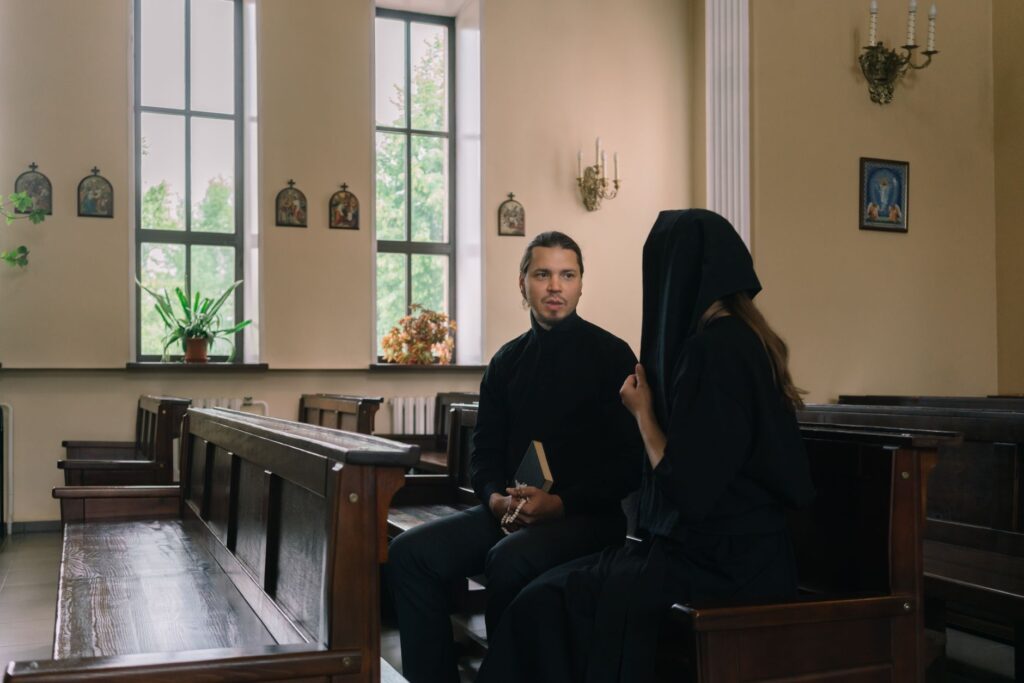
Confession is a vital aspect of spiritual healing. In 1 John 1:9, Scripture assures us, “If we confess our sins, he is faithful and just and will forgive us our sins and purify us from all unrighteousness.” This promise highlights God’s readiness to forgive and cleanse us when we come to Him honestly.
Confession is not merely about admitting wrongdoing; it is an act of humility and surrender. James 5:16 states, “Therefore confess your sins to each other and pray for each other so that you may be healed.” This verse indicates that confession can lead to healing, both spiritually and relationally. The act of sharing our struggles with trusted individuals can foster accountability and support.
The Role of Community in the Confession Process
The church community plays a crucial role in the process of confession and healing. Being part of a supportive community can provide a safe space to confess hidden sins without judgment. Hebrews 10:24-25 encourages believers: “And let us consider how we may spur one another on toward love and good deeds, not giving up meeting together, as some are in the habit of doing, but encouraging one another.”
- Accountability Partners: Finding someone who can walk with you in your spiritual journey.
- Support Groups: Joining a group that focuses on healing from specific struggles.
- Prayer Circles: Creating spaces for collective prayer and support.
Engaging with a community not only helps us to confess but also allows us to grow together in faith and accountability, reinforcing our commitment to live in the light.
Living in the Light of Truth
The Importance of Truthfulness
Living in truth is a fundamental aspect of the Christian faith. John 8:32 states, “Then you will know the truth, and the truth will set you free.” Embracing truth about our sins and struggles allows us to experience true freedom. Hiding sin may provide temporary relief, but it ultimately leads to bondage.
Proverbs 28:13 adds, “Whoever conceals their sins does not prosper, but the one who confesses and renounces them finds mercy.” This verse reinforces the idea that honesty not only fosters spiritual growth but also brings about mercy and grace in times of need.
The Transformative Power of Living Authentically
Living authentically means being true to oneself and to God. It involves acknowledging our flaws and imperfections while trusting in God’s grace. 2 Corinthians 5:17 reminds us, “Therefore, if anyone is in Christ, the new creation has come: The old has gone, the new is here!” This transformation is not just about outward behavior but also about our inner being.
- Embracing Vulnerability: Allowing ourselves to be open and vulnerable with God and others.
- Seeking God’s Guidance: Regularly praying for wisdom and strength to overcome hidden sins.
- Reflecting on Scripture: Meditating on Biblical truths that reinforce our identity in Christ.
By living authentically and embracing the truth of our identity in Christ, we can move away from the shadows of hidden sin and step into the light of God’s love and grace.
Frequently Asked Questions
What does the Bible say about hiding sin?
The Bible addresses the issue of hiding sin in several passages, emphasizing that concealing our transgressions leads to spiritual separation from God. Proverbs 28:13 teaches that those who conceal their sins will not prosper, while confession leads to mercy.
Why do people hide their sins?
People often hide their sins out of fear of judgment, shame, or the desire to maintain a facade of righteousness. This instinctual reaction may stem from a misunderstanding of God’s grace and the healing power of confession.
How can I overcome the temptation to hide my sins?
Overcoming the temptation to hide sin involves cultivating a deeper understanding of God’s love and mercy. Engaging in self-examination, seeking accountability, and immersing oneself in Scripture can foster a culture of honesty and transparency.
What are the benefits of confessing my sins?
Confessing sins leads to forgiveness, healing, and restoration in our relationship with God. It also fosters a supportive community as we share our struggles with trusted friends, allowing for mutual encouragement and growth.
The Bottom Line
The Bible verse about hiding sin reminds us of the importance of transparency in our walk with God. Hiding our sins can lead to spiritual distance, guilt, and relational strain, but through confession, we can experience the freedom and restoration that comes from being honest with God and others. Embracing a life of transparency enables us to grow in faith, receive God’s grace, and build supportive relationships within our Christian community. Let us not hide our sins but approach God with humility, knowing that He is ready to forgive and cleanse us.
Keep reading
More Sin & Temptation →

Weekly encouragement
Grow in the Word, one email at a time.
Free Bible study guides, prayer help and a verse to carry through your week. No spam, unsubscribe anytime.
Join the conversation