Bible Verses About Judging Others KJV
Discover Bible verses about judging others KJV that encourage compassion and understanding, helping foster a more loving community.
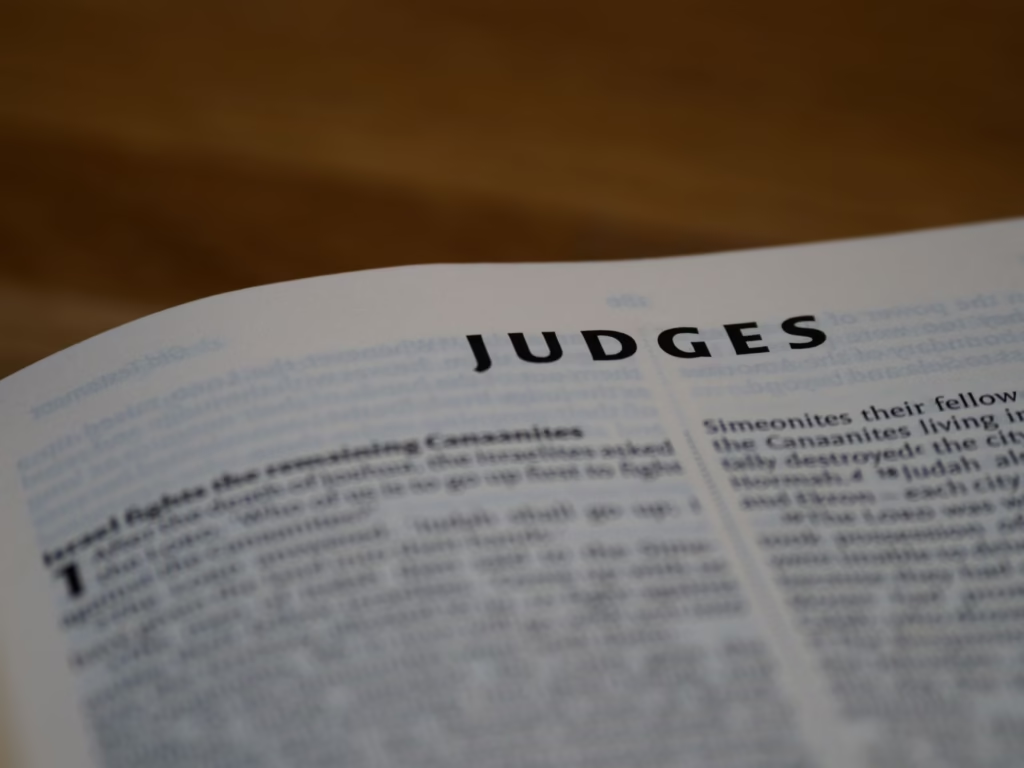
Short answer: Bible verses about judging others in KJV include Matthew 7:1-2, which states, 'Judge not, that ye be not judged.' Another important verse is Romans 14:10, which reminds us that we all stand before the judgment seat of Christ.
Bible Verses About Judging Others (KJV): Cultivating Compassion Over Criticism
Introduction
In our daily interactions, it’s all too easy to slip into the habit of judging others. Whether it’s a passing remark about someone’s outfit or a more serious condemnation of their choices, judgment can quickly become a barrier to understanding and compassion. The King James Version (KJV) of the Bible offers profound insights on this subject, guiding us towards a more empathetic approach. Let’s explore some powerful bible verses about judging others kjv that teach us about the dangers of judgment and the importance of love and forgiveness.
Understanding Judgment in the Bible
The Bible acknowledges the human propensity to judge others. However, it contrasts this with the call for compassion and humility. Understanding the context of these verses helps us navigate our thoughts and actions concerning others more wisely. Here are a few key concepts:
- Judgment as a Reflection of Ourselves: The Bible frequently illuminates how our judgments can reflect deeper issues within ourselves.
- Call for Forgiveness: Instead of condemning, we are encouraged to forgive and seek reconciliation.
- God's Authority: Ultimately, only God judges our hearts and actions, reminding us to leave judgment to Him.
Key Bible Verses About Judging Others
Let’s dive into some pertinent verses from the KJV that speak volumes about the act of judgment. Each verse offers a unique perspective that encourages us to rethink our behaviors.
1. Matthew 7:1-2
“Judge not, that ye be not judged. For with what judgment ye judge, ye shall be judged: and with what measure ye mete, it shall be measured to you again.”
This verse is perhaps the most famous in the discussion about judgment. Jesus warns us that the standards we use to judge others will be applied to us. It serves as a reminder to approach others with kindness and understanding rather than scrutiny.
2. Romans 14:10
“But why dost thou judge thy brother? or why dost thou set at naught thy brother? for we shall all stand before the judgment seat of Christ.”
In this passage, the Apostle Paul highlights accountability, emphasizing that we are all equal under God’s gaze. The focus should be on our own actions rather than on pointing out the flaws of others.
3. James 4:11-12
“Speak not evil one of another, brethren. He that speaketh evil of his brother, and judgeth his brother, speaketh evil of the law, and judgeth the law: but if thou judge the law, thou art not a doer of the law, but a judge.”
James urges believers not to engage in slander or judgment. When we judge others, we undermine God's authority, placing ourselves in a position that is both arrogant and harmful.
4. Luke 6:37
“Judge not, and ye shall not be judged: condemn not, and ye shall not be condemned: forgive, and ye shall be forgiven.”
This verse encourages us to let go of negativity and foster forgiveness. It illustrates a reciprocal relationship between our attitudes toward others and how we will be treated in return.
Cultivating a Spirit of Compassion
Understanding these verses is just the beginning. Applying their lessons in our daily lives requires effort and intentionality. Here are some practical ways to cultivate compassion instead of judgment:
1. Practice Empathy
- Try to understand situations from the other person's perspective. Everyone is fighting their battles, often unseen to us.
2. Self-Reflection
- Regularly examine your own life. Address your shortcomings and mistakes first before pointing out others'.
3. Foster Communication
- Open dialogues instead of criticizing. Express your concerns in a constructive way, focusing on solutions rather than blame.
4. Choose Forgiveness
- Let go of grievances and choose to forgive those who have wronged you. Holding onto judgment only harms you in the long run.
Conclusion
The Bible clearly teaches us the importance of refraining from judging others. Through the verses in the KJV, we are reminded that humility, empathy, and forgiveness should guide our interactions. Instead of viewing others through a lens of criticism, we equip ourselves to create loving, supportive environments. By doing so, we not only follow divine teachings but also foster solidarity and strength within our communities. As you navigate your days, remember: a kind heart can change the world, one compassionate act at a time.
Key Takeaways
- Avoid judgment, as emphasized in Matthew 7:1-2.
- Accountability is crucial; we all answer to God (Romans 14:10).
- Slander undermines God's authority (James 4:11-12).
- Forgiveness fosters a positive cycle in relationships (Luke 6:37).
Cultivating Compassion
Practice empathy by trying to see situations from others' perspectives. Regular self-reflection can help address your judgments and promote understanding.
Frequently Asked Questions
What does Matthew 7:1-2 mean?
This verse teaches us not to judge others harshly, as we will be judged by the same standards.
Why is judgment discouraged in the Bible?
Judgment is discouraged because it can create barriers to understanding and compassion.
How can I avoid judging others?
Focus on self-reflection and try to cultivate empathy in your interactions.
What is the role of forgiveness in reducing judgment?
Forgiveness helps release negative feelings and fosters a more compassionate approach toward others.
The Bottom Line
Approaching others with love and empathy can transform our interactions and communities. By embracing humility and forgiveness, we create an environment where kindness prevails. Remember, even a small act of compassion can make a significant difference.
Keep reading
More Church & Community →


Weekly encouragement
Grow in the Word, one email at a time.
Free Bible study guides, prayer help and a verse to carry through your week. No spam, unsubscribe anytime.
Join the conversation