Bible Verses About Childbearing: Encouragement and Insights
Discover key Bible verses about childbearing that provide encouragement and spiritual insights for families and parents.
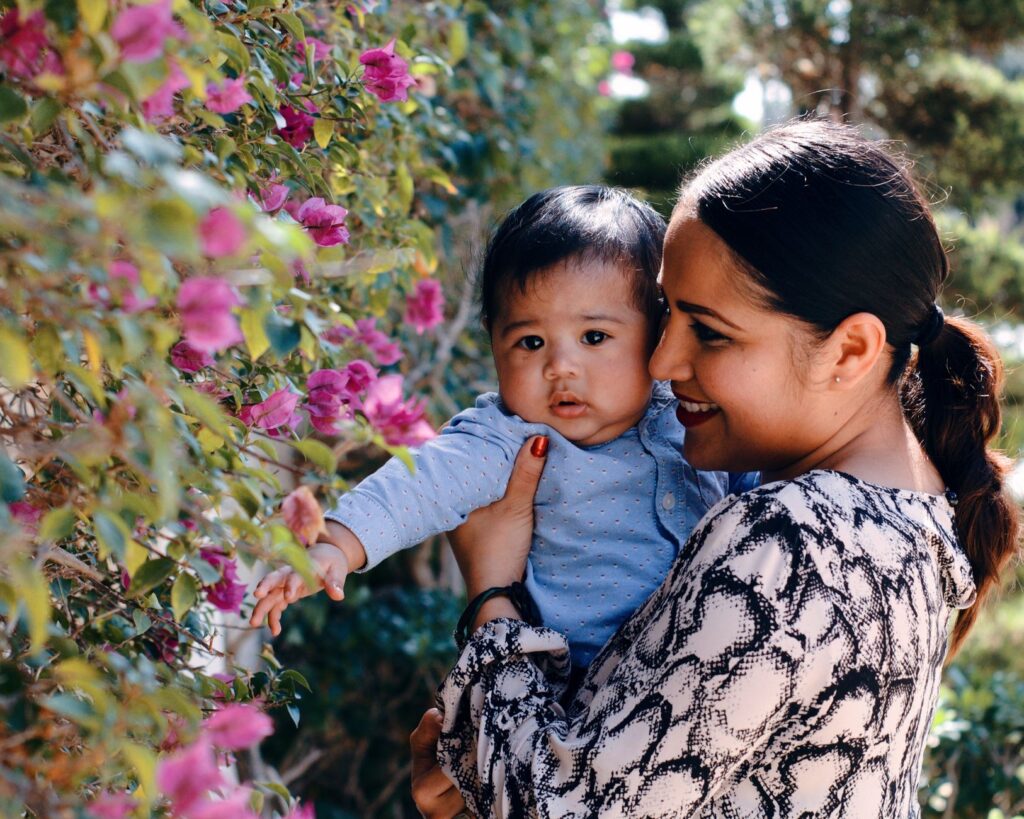
Key Takeaways
- Childbearing is a significant theme in Scripture.
- God values children and sees them as blessings.
- Scripture provides comfort and hope for those struggling with childbearing.
The topic of childbearing is deeply woven into the fabric of biblical teaching, reflecting God’s design for families and His plan for humanity. Throughout Scripture, we find examples of women who have faced the challenges and joys of motherhood, as well as promises from God that offer hope and encouragement. In this article, we will explore various Bible verses about childbearing, examining their context and the lessons they impart.
For many, the journey of childbearing can be fraught with uncertainty, joy, and heartache. Whether you are expecting a child, trying to conceive, or navigating the complexities of parenting, the Bible offers profound insights and encouragement. By turning to Scripture, we can find comfort in God’s promises and guidance in our roles as parents.
As we explore these verses, let us remember that each child is a unique gift from God, and our understanding of childbearing can be enriched by the wisdom found in His Word.
Biblical Foundations of Childbearing
The Bible begins with the creation of humanity, where childbearing is established as a divine command. In Genesis 1:28, God instructs Adam and Eve, saying, “Be fruitful and multiply and fill the earth and subdue it.” This foundational verse sets the stage for understanding the significance of childbearing in God’s plan.
Moreover, the Scriptures consistently affirm that children are a blessing. Psalm 127:3 states, “Behold, children are a heritage from the Lord, the fruit of the womb a reward.” This perspective encourages parents to view their children as gifts from God, bringing joy and purpose to their lives.
In biblical times, the societal value of childbearing was immense, often tied to one’s identity and legacy. For instance, in the story of Hannah in 1 Samuel 1, we see her deep anguish over her inability to conceive. After fervent prayer, God answers her plea, and she gives birth to Samuel, a prophet who plays a pivotal role in Israel’s history. Hannah’s story illustrates the emotional weight of childbearing and God’s faithfulness in responding to heartfelt prayers.
Verses That Encourage Expecting Mothers
Pregnancy can be a time filled with anticipation, anxiety, and hope. The Bible offers numerous verses that speak directly to expecting mothers, providing comfort and assurance during this transformative time. Here are some key verses to reflect on:
- Psalm 139:13-14: “For you formed my inward parts; you knitted me together in my mother’s womb. I praise you, for I am fearfully and wonderfully made.” This verse emphasizes that every child is created uniquely by God.
- Isaiah 66:9: “Shall I bring to the point of birth and not give delivery?” This verse reassures mothers that God is involved in the entire process of pregnancy, from conception to birth.
- Jeremiah 1:5: “Before I formed you in the womb I knew you, and before you were born I consecrated you; I appointed you a prophet to the nations.” This verse highlights God’s purpose for each child, instilling a sense of hope and destiny.
These verses can serve as reminders of God’s intimate involvement in the lives of both mothers and their unborn children. When faced with uncertainty, reflecting on these promises can provide strength and peace.

Overcoming Challenges in Childbearing
For many, the journey of childbearing is not without its challenges. Infertility, pregnancy loss, and health complications can weigh heavily on the hearts of parents. The Bible does not shy away from these difficult topics but instead offers hope and comfort in the midst of pain.
Take, for instance, the story of Sarah and Abraham in Genesis 21. After years of waiting, God fulfills His promise to Sarah, allowing her to conceive and bear Isaac. This narrative reminds us that God’s timing may not align with our own, but His plans are ultimately for our good.
Another poignant example is found in the book of Ruth. Ruth’s journey of childbearing is marked by loss and grief, as she experiences the death of her husband. However, through her loyalty and faithfulness, she becomes part of the lineage of King David, ultimately leading to the birth of Jesus Christ. Ruth’s story illustrates that even in our darkest moments, God can bring forth beauty and purpose.
The Role of Faith in Childbearing
Faith plays a crucial role in navigating the challenges of childbearing. Trusting in God’s plan can provide comfort and strength during difficult times. Hebrews 11:11 speaks of Sarah’s faith: “By faith Sarah herself received power to conceive, even when she was past the age, since she considered him faithful who had promised.” This verse encourages us to believe that God is capable of doing the impossible.
In addition to personal faith, community support is vital for those experiencing challenges related to childbearing. Galatians 6:2 instructs us to “bear one another’s burdens, and so fulfill the law of Christ.” This call to support one another can manifest in prayer, encouragement, and sharing of experiences, reminding each other that we are not alone in our journeys.
It’s essential to cultivate a spirit of openness and vulnerability, allowing others to walk alongside us. In the context of childbearing, sharing our struggles and victories can strengthen our faith and foster a sense of community.
Parenting as a Divine Calling
Parenting extends beyond the act of childbearing; it is a divine calling filled with responsibilities and joys. Proverbs 22:6 instructs, “Train up a child in the way he should go; even when he is old he will not depart from it.” This verse emphasizes the importance of intentional parenting, guiding children toward a life that honors God.
Moreover, Ephesians 6:4 encourages parents to “bring them up in the discipline and instruction of the Lord.” This directive highlights the need for spiritual education and character development within the family unit. Parenting is not merely about meeting physical needs but also nurturing the spiritual growth of children.
As parents, we are tasked with modeling our faith and values. This can be a daunting responsibility, but through prayer and reliance on God’s wisdom, we can navigate the challenges of parenting with grace.

Scriptural Promises for Families
The Bible is filled with promises that can uplift families and provide reassurance regarding childbearing and parenting. Here are several verses that speak to the hope God offers:
- Isaiah 54:13: “All your children shall be taught by the Lord, and great shall be the peace of your children.” This promise assures parents that God will guide their children and grant them peace.
- Proverbs 14:26: “In the fear of the Lord one has strong confidence, and his children will have a refuge.” This verse reminds us that a family rooted in faith can find safety and security in God’s presence.
- Psalm 112:1-2: “Blessed is the man who fears the Lord, who greatly delights in his commandments! His offspring will be mighty in the land; the generation of the upright will be blessed.” This passage speaks to the generational blessings that come from living a life of faith.
These promises serve as a source of encouragement for families, reminding us that God is actively involved in our lives and the lives of our children.
The Spiritual Significance of Childbearing
Understanding God’s Purpose
Childbearing is not merely a biological process; it carries deep spiritual significance in the Christian faith. The Bible presents childbearing as a gift from God, reflecting His creative power and intentionality. Psalm 127:3 reminds us, “Children are a heritage from the Lord, offspring a reward from him.” This verse indicates that children are not just a responsibility but precious gifts meant to be cherished and nurtured.
Furthermore, the act of bringing new life into the world aligns with God’s command to multiply and fill the earth (Genesis 1:28). This divine directive emphasizes the importance of families in fulfilling God’s purpose for humanity. The process of childbearing can also be seen as participating in God’s ongoing creation, where parents play a pivotal role in shaping future generations.
The Role of Women in God’s Plan
Women have a unique and vital role in God’s plan for family and community. In Scripture, we see numerous examples of women who embraced their calling to bear children and raise them in faith. For instance, Hannah’s heartfelt prayer for a child led to the birth of Samuel, who became a significant prophet in Israel (1 Samuel 1:20). Her story illustrates how God honors the desires of a mother’s heart and how He can use children for His greater purposes.
- Sarah: Mother of Isaac, whose faith in God’s promise was rewarded (Genesis 21:1-3).
- Mary: The mother of Jesus, who accepted her role with humility and obedience (Luke 1:38).
- Elizabeth: Mother of John the Baptist, whose pregnancy was a testament to God’s miraculous power (Luke 1:57-66).
These women exemplify the faith and courage necessary for childbearing and child-rearing within the Christian context, encouraging expectant mothers to embrace their roles with joy and purpose.
Childbearing as a Reflection of God’s Love
The journey of childbearing mirrors the love and relationship God has with His people. Just as parents love and nurture their children, God’s love for us is unconditional and everlasting. Romans 5:5 states, “God’s love has been poured out into our hearts through the Holy Spirit, who has been given to us.” This love empowers parents to nurture their children, teaching them about God’s goodness and grace.
Moreover, the challenges of childbearing can also deepen one’s understanding of God’s love. As mothers face trials during pregnancy or childbirth, they can find solace in 2 Corinthians 1:3-4, which tells us that God comforts us in all our troubles, so that we can comfort others. This fosters a cycle of love and support, enabling mothers to rely on God and share that experience with their children, fostering a legacy of faith.
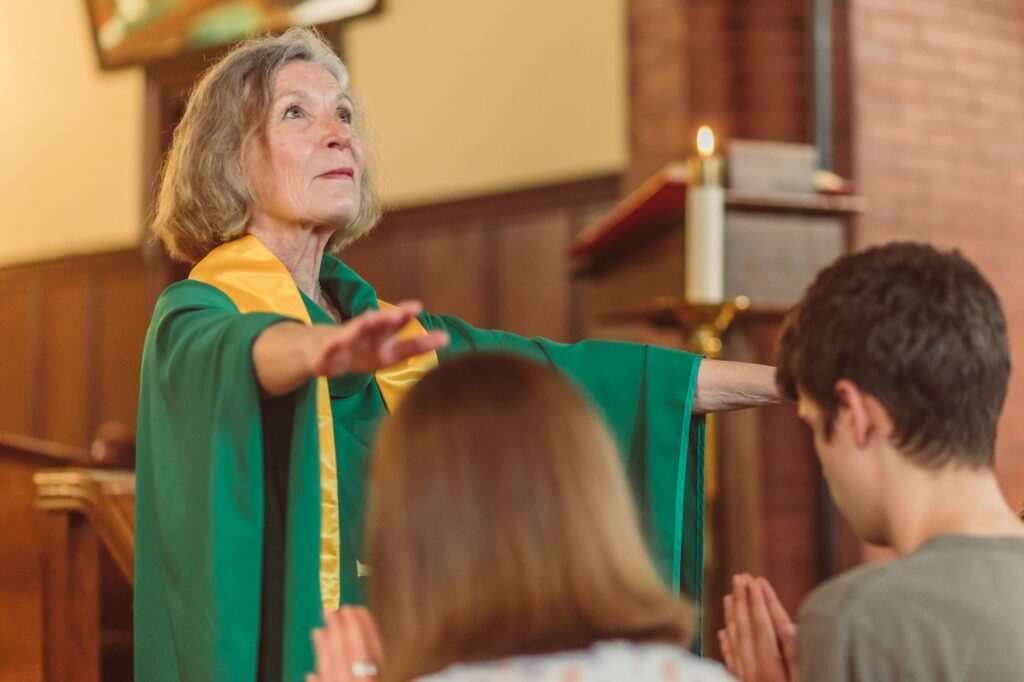
The Community’s Role in Supporting Families
Building a Supportive Environment
Childbearing is rarely a solitary journey; it thrives in a community of support. The early church exemplified the importance of community in nurturing families. Acts 2:44-47 describes how believers shared everything in common, supporting one another in both spiritual and practical needs. This model encourages churches today to create environments where families can thrive.
Supporting families can take various forms, from providing meals and childcare to offering mentorship and prayer. Galatians 6:2 emphasizes the importance of bearing one another’s burdens, fulfilling the law of Christ. Churches can organize groups specifically aimed at supporting expecting and new mothers, creating networks of love and encouragement.
Mentorship and Discipleship
Within a Christian community, mentorship plays a critical role in the journey of childbearing and parenting. Older, experienced mothers can provide guidance and wisdom to younger women, helping them navigate the challenges of pregnancy and motherhood. Titus 2:3-5 instructs older women to teach younger women to love their husbands and children, emphasizing the importance of passing down knowledge and experience.
- Practical Support: Offering advice on child-rearing and household management.
- Spiritual Guidance: Helping younger mothers cultivate their faith and reliance on God.
- Emotional Support: Providing a listening ear during stressful times.
By fostering intergenerational relationships, the church reinforces the biblical view of community as a vital part of raising children in faith.
Celebrating Life’s Milestones Together
Celebrating milestones in a child’s life is an essential part of nurturing their spiritual growth. From baby dedications to birthdays, each occasion provides an opportunity for the community to come together and acknowledge God’s blessings. Deuteronomy 6:6-7 encourages parents to impress God’s commandments on their children, talking about them at home and during life’s milestones.
Communities can organize events that celebrate these milestones, reinforcing the shared values and beliefs that guide families. Such celebrations also serve as reminders of God’s faithfulness and the importance of raising children in a supportive environment filled with love and faith.
Childbearing and the Hope of the Future
Trusting God’s Plan Amid Uncertainty
Childbearing can often come with uncertainty and fear, especially in today’s world. However, trusting in God’s plan can provide peace amidst those fears. Jeremiah 29:11 reassures us that God has plans for us, plans to prosper us and not to harm us, plans to give us hope and a future. This promise applies to families and their journeys through childbearing.
By placing trust in God’s sovereignty, parents can navigate the uncertainties of pregnancy and parenting with confidence. Philippians 4:6-7 encourages believers to not be anxious but to present their requests to God, and in turn, His peace will guard their hearts and minds. This assurance allows parents to focus on nurturing their children rather than succumbing to fear.
Raising Children with Purpose
Every child is created with a unique purpose in God’s kingdom. As parents, it is crucial to instill a sense of purpose in children from a young age. Ephesians 2:10 reminds us that we are God’s handiwork, created in Christ Jesus to do good works, which God prepared in advance for us to do. Teaching children about their identity in Christ can help them understand their value and calling.
- Encouraging Talents: Identifying and nurturing their unique gifts.
- Fostering Faith: Engaging them in church and Bible studies.
- Modeling Service: Involving them in community service and outreach.
By actively participating in their spiritual journey, parents can help children discover and embrace their divine calling, fostering a life of purpose that aligns with God’s plan.
Embracing the Legacy of Faith
Childbearing carries the potential to impact future generations profoundly. As parents instill faith and values in their children, they create a legacy that can endure beyond their lifetime. 2 Timothy 1:5 speaks of the sincere faith passed down from Timothy’s grandmother Lois to his mother Eunice and then to him. This biblical example emphasizes the importance of nurturing faith across generations.
Parents can cultivate this legacy by sharing their faith stories, praying together, and engaging in worship. By doing so, they help children understand the importance of their faith journey and encourage them to continue that legacy with their own families. Investing in a child’s spiritual growth ensures that the light of faith continues to shine brightly in future generations.
Frequently Asked Questions
What does the Bible say about infertility?
The Bible acknowledges the pain of infertility, as seen in the stories of Hannah and Sarah. God is compassionate and hears the cries of those struggling with infertility, offering hope and the promise of His presence.
Are children seen as a blessing in the Bible?
Yes, children are portrayed as a blessing throughout Scripture. Psalm 127:3 states that children are a heritage from the Lord, emphasizing their value in God’s eyes.
How can I find comfort in Scripture during pregnancy?
Reading verses that affirm God’s presence and promises, such as Psalm 139:13-14, can provide comfort during pregnancy. Meditating on these passages can strengthen faith and alleviate anxiety.
What role does prayer play in childbearing?
Prayer is essential in childbearing, providing a means to communicate with God, seek guidance, and find peace. It allows parents to express their hopes, fears, and gratitude throughout the journey.
The Bottom Line
Childbearing is an integral part of God’s design for families, filled with challenges and blessings. The Bible offers numerous verses that provide encouragement, hope, and wisdom for those navigating this journey. By grounding ourselves in Scripture, we can find strength, comfort, and guidance as we embrace the joys and trials of parenthood.
Keep reading
More Family & Parenting →


Biblical Principles For Honoring And Caring For Aging Parents

Weekly encouragement
Grow in the Word, one email at a time.
Free Bible study guides, prayer help and a verse to carry through your week. No spam, unsubscribe anytime.
Join the conversation