Love and Respect Your Parents: Key Bible Verses and Insights
Explore key Bible verses that teach us how to love and respect our parents, along with practical insights for everyday application.
Key Takeaways
- Understanding the biblical foundation for honoring parents.
- Practical ways to show love and respect in daily life.
- The impact of honoring parents on family relationships.
- Encouragement for navigating difficult family dynamics.
In a world marked by change and uncertainty, the call to love and respect our parents remains a timeless principle rooted in Scripture. This commandment not only shapes familial relationships but also reflects our understanding of authority and love as prescribed by God. As we explore the rich tapestry of biblical teachings surrounding honoring parents, we gain insight into how these principles can transform our lives and relationships.
Honoring our parents is not merely a suggestion; it is a commandment with profound implications. In Exodus 20:12, we find the direct instruction: “Honor your father and your mother, that your days may be long in the land that the Lord your God is giving you.” This verse serves as a cornerstone for understanding the significance of parental respect. It is a reminder of the role parents play in our lives and the importance of recognizing their sacrifices and guidance.
As we navigate through this article, we will unpack various Bible verses that emphasize this theme, explore practical applications, and provide encouragement for those facing challenges in their relationships with parents. Our goal is to cultivate a spirit of love and respect that aligns with biblical teachings.
Biblical Foundations for Honoring Parents
The foundation for loving and respecting parents is firmly established in the Bible. The commandment to honor our parents is one of the Ten Commandments, signifying its importance in God’s moral law. When we delve into this commandment, we discover several key aspects that highlight why this principle is vital.
Firstly, honoring parents is an expression of obedience to God. In Ephesians 6:1-3, the Apostle Paul reinforces the commandment, stating, “Children, obey your parents in the Lord, for this is right. Honor your father and mother (this is the first commandment with a promise), that it may go well with you and that you may live long in the land.” This passage emphasizes that our obedience to our parents is not just a familial duty but a spiritual one.
Secondly, honoring our parents contributes to the well-being of society. When families function well, communities flourish. Proverbs 1:8-9 encourages us to listen to our parents’ teachings, stating, “Hear, my son, your father’s instruction, and forsake not your mother’s teaching, for they are a graceful garland for your head and pendants for your neck.” This imagery highlights the beauty and value of parental guidance, which ultimately benefits society as a whole.
The Role of Parents
Understanding the role of parents in our lives is crucial for grasping the importance of honoring them. Parents are not only caregivers but also teachers, protectors, and spiritual guides. They have a unique position in shaping our values and beliefs. As children grow, their understanding of life, relationships, and faith is often influenced by the lessons learned at home.
In addition to their roles, parents often make sacrifices for their children’s well-being. Whether it’s providing for their needs, supporting their education, or nurturing their dreams, parents invest significantly in their children’s lives. Recognizing these sacrifices fosters a sense of gratitude and respect, encouraging us to respond in love.
Furthermore, the relationship between parents and children is a reflection of God’s relationship with His people. Just as God desires a loving relationship with us, He calls us to honor our earthly parents. This connection reinforces the significance of parental respect as a divine principle.
Practical Ways to Show Love and Respect
Understanding the biblical mandate to honor parents is just the first step; applying it in daily life requires intentionality and creativity. Here are some practical ways to show love and respect to your parents:
- Listen Actively: Take the time to listen to your parents’ thoughts and feelings. This shows that you value their opinions and are willing to engage in meaningful conversations.
- Express Gratitude: Regularly express your appreciation for the sacrifices your parents have made. A simple thank you can go a long way in reinforcing your respect.
- Spend Quality Time: Make an effort to spend time with your parents. Whether it’s sharing a meal, going for a walk, or engaging in a hobby together, quality time fosters connection.
- Seek Their Advice: Involve your parents in decision-making processes. This not only shows respect for their wisdom but also strengthens your relationship.
- Support Them: As they age, be proactive in offering support, whether it’s helping with household tasks or simply being there for emotional support.
These actions demonstrate a genuine commitment to honoring your parents. They create a foundation of love and respect that can withstand the challenges of life.
Illustration: A Family Dinner
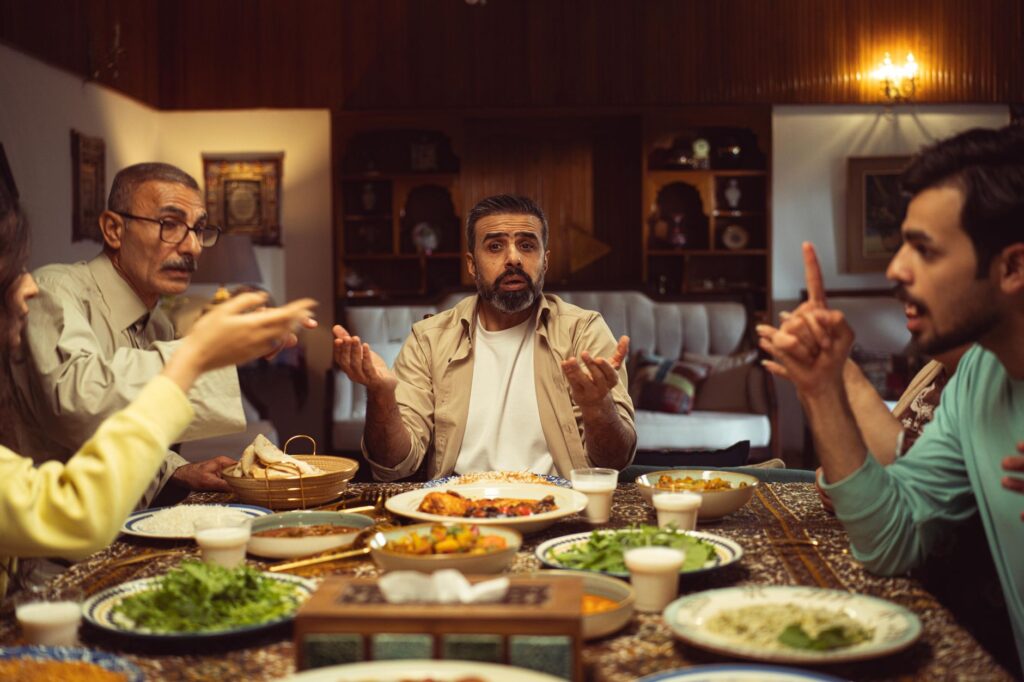
Imagine a family gathered around the dinner table. The aroma of a home-cooked meal fills the air as laughter and conversation flow freely. In this setting, the children actively listen to their parents sharing stories from their own childhood. They express gratitude for the meal and acknowledge the hard work that went into preparing it. This simple act of sharing a meal becomes an opportunity to honor their parents.
In this scenario, the children are not just passive participants but are engaged in a meaningful way. They ask questions, seek advice, and show genuine interest in their parents’ lives. The atmosphere is one of mutual respect and love, illustrating how honoring parents can manifest in everyday family interactions.
The Impact of Honoring Parents
Honoring parents has far-reaching effects beyond the immediate family unit. The impact can be seen in various aspects of life, including personal growth, emotional health, and community relationships.
First and foremost, children who honor their parents often experience greater emotional stability. Acknowledging and respecting parental authority fosters a sense of security and belonging. This emotional foundation supports healthy relationships outside the family as well.
Moreover, honoring parents can lead to improved communication skills. By practicing respectful dialogue within the family, children learn how to communicate effectively in other relationships. This lifelong skill can enhance friendships, romantic partnerships, and professional interactions.
Building a Legacy of Honor
Honoring parents can also create a legacy of respect that transcends generations. When children learn to honor their parents, they are more likely to pass this value onto their own children. This cycle of respect can lead to stronger family bonds and a more supportive community.
As believers, we are called to model the love of Christ in all our relationships, including with our parents. By fostering an environment of honor, we reflect God’s love and grace within our families.
Challenges in Honoring Parents
While the call to honor parents is clear, it can be challenging in practice. Many people face complicated family dynamics or difficult relationships that make showing respect difficult. Here are some common challenges and ways to navigate them:
- Conflict and Disagreement: It’s natural to have disagreements with parents. However, it’s essential to approach these conflicts with a spirit of humility and love. Focus on understanding their perspective while communicating your feelings respectfully.
- Past Wounds: Some individuals may carry emotional wounds from their childhood or parental relationships. Healing takes time, and it may require seeking counsel or engaging in open dialogues with parents to address these issues.
- Different Values and Beliefs: As we grow, our values and beliefs may diverge from our parents. Finding common ground while maintaining respect is vital. Aim to have open discussions where differing views can be shared without animosity.
Despite these challenges, it is possible to honor parents by choosing love and respect, even when it’s difficult. It may require grace, patience, and sometimes professional guidance, but the rewards of cultivating a respectful relationship are immeasurable.

Understanding Different Family Dynamics
Varied Relationships with Parents
Every family dynamic is unique, shaped by cultural backgrounds, personal experiences, and individual personalities. It’s important to recognize that honoring parents may look different depending on these factors. For example, a parent who has been nurturing and supportive may receive visible signs of love and respect, such as open communication and shared activities. In contrast, a parent who has caused pain or disappointment may require a different approach, focusing on forgiveness and reconciliation.
Scripture emphasizes the importance of understanding and compassion. In Ephesians 4:32 (NIV), it says, “Be kind and compassionate to one another, forgiving each other, just as in Christ God forgave you.” This verse reminds us that our relationships, including those with our parents, should be rooted in kindness and forgiveness, even when faced with challenges.
Cultural Influences on Honor
Cultural background significantly influences how we honor our parents. In many cultures, respect for elders is paramount, and this can manifest in various ways, such as obedience, care, and maintaining family traditions. For instance, in Asian cultures, filial piety is a deeply ingrained value, where children are expected to care for their parents as they age. This can be supported by biblical principles found in Proverbs 23:22 (NIV), which states, “Listen to your father, who gave you life, and do not despise your mother when she is old.” This verse highlights the importance of valuing our parents throughout their lives, regardless of cultural expectations.
Conversely, in cultures that emphasize individualism, honoring parents may involve maintaining personal boundaries while still showing love and respect. Balancing these cultural elements can be challenging, but it is essential to seek guidance from Scripture and prayer to navigate these dynamics.
Building Bridges of Communication
Effective communication is vital in honoring parents, especially in families where misunderstandings may arise. Engaging in honest conversations can help bridge gaps, resolve conflicts, and strengthen relationships. James 1:19 (NIV) encourages us, “My dear brothers and sisters, take note of this: Everyone should be quick to listen, slow to speak and slow to become angry.” This verse emphasizes the importance of listening and considering our responses carefully, which is fundamental in parent-child interactions.
- Practice active listening by giving your full attention.
- Use ‘I’ statements to express your feelings without blaming.
- Set aside regular family time to discuss issues openly.
By fostering an environment where both parents and children feel heard, families can navigate their relationships more effectively, leading to deeper respect and love.
The Role of Forgiveness in Honoring Parents
Recognizing Past Hurts
Many individuals may struggle to honor their parents due to past wounds or unresolved issues. Acknowledging these feelings is the first step toward healing. It is essential to recognize that while parents may not have been perfect, the call to honor them remains. Colossians 3:13 (NIV) states, “Bear with each other and forgive one another if any of you has a grievance against someone. Forgive as the Lord forgave you.” This verse serves as a powerful reminder that forgiveness is a crucial aspect of honoring our parents, as Christ forgave us despite our shortcomings.
Working through resentment can be a long process, but it is necessary for personal peace and healthy relationships. Seeking counsel from a pastor or a trusted friend can provide support during this journey of forgiveness.
Embracing Forgiveness as a Family
Forgiveness should not be a solitary effort; it can be a family process. When families come together to address past grievances, they can foster a culture of understanding and healing. This approach aligns with the biblical principle found in Matthew 18:20 (NIV), which states, “For where two or three gather in my name, there am I with them.” Engaging in family discussions about forgiveness can lead to shared healing and a stronger family bond.
- Hold family meetings to discuss feelings and past hurts.
- Encourage open dialogue about forgiveness and its importance.
- Pray together as a family for healing and restoration.
By working as a unit, families can cultivate an atmosphere of love and respect, grounded in mutual forgiveness.
Forgiveness as a Reflection of God’s Love
Ultimately, the act of forgiving our parents reflects our understanding of God’s love and grace in our lives. In 1 John 4:19 (NIV), it says, “We love because he first loved us.” Our willingness to forgive and honor our parents, regardless of their past actions, demonstrates our recognition of God’s unconditional love for us. This perspective can transform our relationships, leading us to love our parents in a way that mirrors Christ’s love for humanity.
As we embrace this divine love, we can find the strength to honor our parents genuinely, no matter the circumstances.

Creating a Legacy of Love and Respect
Teaching Future Generations
One of the most impactful ways to honor our parents is by passing down the values of love and respect to our children. Deuteronomy 6:6-7 (NIV) instructs, “These commandments that I give you today are to be on your hearts. Impress them on your children. Talk about them when you sit at home and when you walk along the road, when you lie down and when you get up.” This verse highlights the importance of teaching our children about honoring their parents as part of their spiritual growth.
By modeling respectful behavior toward our parents, we set an example for the next generation. Children learn through observation, so consistently demonstrating love and respect for our parents can instill these values in them. The legacy of love can continue for generations, creating a family culture that prioritizes honor and respect.
Rituals and Traditions of Honor
Creating rituals or traditions that emphasize honoring parents can reinforce these values within families. These practices can take various forms, such as special family gatherings, honoring days, or even simple weekly check-ins. Romans 12:10 (NIV) encourages us to “Be devoted to one another in love. Honor one another above yourselves.” Establishing traditions that reflect this devotion can create lasting memories and strengthen familial bonds.
- Celebrate a ‘Family Day’ dedicated to honoring parents.
- Incorporate prayers of gratitude for parents during family meals.
- Share stories of family heritage and the lessons learned from parents.
By intentionally creating moments that highlight love and respect, families can cultivate a legacy that honors both past and future generations.
Encouraging Supportive Relationships
In addition to personal relationships, honoring parents can extend to supporting them in their social and spiritual lives. Encouraging parents to engage in community or church activities can provide them with companionship and fulfillment. Hebrews 10:24-25 (NIV) reminds us, “And let us consider how we may spur one another on toward love and good deeds, not giving up meeting together, as some are in the habit of doing, but encouraging one another.”
Supporting parents in their interests and encouraging their passions can deepen the bond of love and respect. This involvement can also serve as a practical expression of honoring them, emphasizing that their contributions to our lives and community matter.
Frequently Asked Questions
What does the Bible say about honoring parents?
The Bible commands us to honor our parents in Exodus 20:12 and reinforces this teaching in Ephesians 6:1-3, emphasizing that it is right and comes with a promise of well-being.
How can I show love to my parents if we have a strained relationship?
Start small by expressing gratitude for the positive things they have done. Gradually work on communication and seek common interests to rebuild the connection.
Is it ever okay to disagree with my parents?
Yes, it is normal to have disagreements. The key is to communicate respectfully and seek to understand each other’s viewpoints while maintaining honor.
What if my parents do not deserve my respect?
Respect does not always depend on behavior. It is a choice you make to honor the position of a parent. Seek guidance through prayer and consider counseling if needed.
The Bottom Line
In summary, loving and respecting our parents is a biblical mandate that shapes not only our family dynamics but also our personal growth. By understanding the significance of honoring parents through Scripture, engaging in practical applications, and navigating challenges with grace, we can cultivate meaningful relationships that reflect God’s love. Remember that this journey may require patience and effort, but the blessings of honoring our parents are profound and far-reaching.
Keep reading
More Family & Parenting →


Weekly encouragement
Grow in the Word, one email at a time.
Free Bible study guides, prayer help and a verse to carry through your week. No spam, unsubscribe anytime.
Join the conversation