
Family & Parenting
Grandchildren Bible Verses: Embracing the Gift of Generations
Nov 22, 2026 · 11 min read
Explore powerful Bible verses that inspire us to love our children deeply and guide them in faith with love and wisdom.

Key Takeaways
As parents, one of the most profound responsibilities we bear is the love we give to our children. This love not only shapes their hearts but also molds their understanding of God’s love for them. The Bible offers numerous verses that remind us of our duty to love our children, guiding us in nurturing their faith and character.
In a world where distractions abound, it can become easy to overlook the importance of intentional love and guidance. Scripture reminds us that loving our children is not merely an emotion but a choice that involves action, teaching, and the embodiment of God’s love. In this article, we will explore various Bible verses that encourage us to love our children and how we can practically implement these teachings in our daily lives.
Let us dive into the Word of God and discover the beauty of loving our children through the lens of Scripture.
The Bible speaks extensively about love, especially the love that parents should have for their children. This love is foundational and reflects the heart of God. In 1 John 4:19, we are reminded that “We love because he first loved us.” This divine love is the model for how we should love our children.
In Deuteronomy 6:6-7, we see the importance of teaching our children about God’s commandments: “These commandments that I give you today are to be on your hearts. Impress them on your children. Talk about them when you sit at home and when you walk along the road, when you lie down and when you get up.” This verse emphasizes that loving our children includes teaching them about God and His ways.
Furthermore, Ephesians 6:4 instructs fathers to “not provoke your children to anger, but bring them up in the discipline and instruction of the Lord.” This illustrates that love is not just about affection; it also encompasses guidance, instruction, and discipline. Loving our children involves a commitment to their spiritual and emotional well-being.
Here are some powerful Bible verses that highlight the importance of loving your children:

While loving our children is essential, knowing how to express that love can sometimes be challenging. Here are some practical ways to demonstrate love in your parenting:
Discipline is often viewed negatively, but it is a vital aspect of loving your children. The Bible teaches that discipline, when done appropriately, reflects love. In Proverbs 3:11-12, we read, “My son, do not despise the Lord’s discipline, and do not resent his rebuke, because the Lord disciplines those he loves, as a father the son he delights in.” This portrays discipline as an expression of love.
It is important to approach discipline with grace and consistency. Children need to understand the reasons behind rules and the consequences of their actions. For example, if a child breaks a rule, a loving response would involve explaining why the rule exists and how their actions impacted others.
Furthermore, in Hebrews 12:7, it states, “Endure hardship as discipline; God is treating you as his children. For what children are not disciplined by their father?” This underscores that discipline is an integral part of nurturing and guiding children towards becoming responsible adults.
A loving home environment is foundational for healthy child development. It is important to cultivate an atmosphere where love, respect, and understanding flourish. Here are some elements to consider for creating such an environment:

Consider a family who faced a significant challenge when their eldest child began to struggle academically. The parents, recognizing the stress their child was experiencing, decided to approach the situation with love and support. Instead of reprimanding their child for poor grades, they chose to have open discussions about the academic pressures the child felt.
They set aside time each evening to help with homework, creating a comforting space for learning. They also prayed together, asking for God’s guidance and wisdom. This loving approach not only improved the child’s grades but also strengthened their relationship as a family.
This example illustrates how love in action can transform difficult situations into opportunities for growth and connection.
One of the most important gifts you can give your children is a strong foundation in the Word of God. Deuteronomy 6:6-7 instructs parents to take God’s commandments to heart and impress them on their children. This is not merely about reading the Bible together, but living it out in daily life. Make Scripture a part of your family conversations, and encourage questions about faith.
Consider creating a routine where you read Bible stories together, perhaps at bedtime or during family meals. You can even incorporate memory verses into your daily activities, helping children learn and internalize God’s Word. This process can ignite their curiosity and deepen their understanding of God.
Children learn not just from what they are taught, but also from what they observe. In Philippians 4:9, Paul encourages believers to practice what they have learned, received, heard, and seen. By modeling a Christ-like life, you set an example for your children to follow. Show them how to live out their faith through acts of kindness, patience, and love.
Make it a point to demonstrate forgiveness in your family dynamics. When conflicts arise, show your children how to resolve issues in a way that reflects Christ’s love. Lead them in prayer, showing them that seeking God in all situations is vital. Your example will be a powerful influence in their spiritual development.
Creating an open environment for spiritual conversations is crucial in helping your children develop their faith. Ephesians 6:4 encourages parents to bring their children up in the training and instruction of the Lord. This can happen naturally during family discussions, allowing children to express their thoughts about faith and life.
Encourage your children to ask questions about God, faith, and morality. When they share their thoughts or struggles, listen actively and respond thoughtfully. Such discussions can help them navigate their beliefs and understand the world through a biblical lens. This open dialogue fosters a trusting relationship between you and your children.
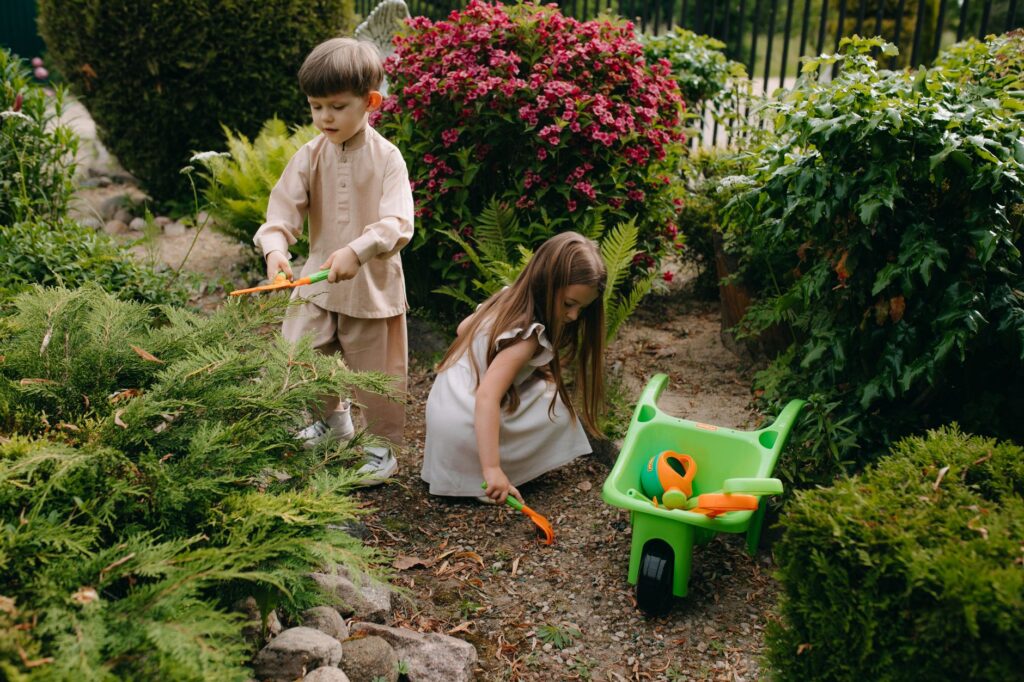
Understanding and validating your children’s emotions is an essential aspect of showing love. In 1 Peter 5:7, we are reminded to cast all our anxieties on God because He cares for us. As parents, it is our responsibility to reflect this care by acknowledging our children’s feelings, whether they are happy, sad, angry, or confused.
When your child expresses their emotions, take the time to listen without judgment. Teach them that it is okay to feel a range of emotions and that expressing these feelings can be healthy. This approach builds emotional intelligence and helps them understand that their feelings matter, promoting a positive self-image.
Life can be challenging, and children may face various hardships, from school pressures to family changes. In Psalm 34:18, we find that the Lord is near to the brokenhearted and saves the crushed in spirit. As parents, it is vital to provide comfort and reassurance during these times, mirroring God’s love and support.
Be proactive in offering comfort when your children face challenges. Create a safe space for them to express their worries and fears. Use these moments to pray together, reminding them of God’s promises and presence in their lives. This reinforces their understanding of God’s love and care, especially during tough times.
Celebrating your children’s successes is an excellent way to show love and support. Colossians 3:23 encourages us to work heartily, as for the Lord. Recognizing their efforts, no matter how small, can boost their confidence and motivate them to keep striving.
Make it a habit to celebrate their achievements, whether it’s a good grade, a sports achievement, or simply a personal goal they reached. This recognition can be through a family celebration or even a simple acknowledgment during dinner. By honoring their hard work and dedication, you instill a sense of pride and accomplishment.
Instilling a sense of generosity in your children is a vital part of loving them. Proverbs 11:25 states that a generous person will prosper; whoever refreshes others will be refreshed. Teaching children the joy of giving can help them develop a heart for service and compassion for others.
Encourage your children to engage in acts of kindness, whether it’s sharing their toys, helping a neighbor, or donating to a charitable cause. You can involve them in family volunteering projects, where they can see firsthand the impact of their generosity. These experiences cultivate empathy and a love for others.
Community service is a practical way to show love and encouragement to your children while emphasizing the importance of serving others. Galatians 5:13 reminds us to serve one another humbly in love. Involving your children in community service can foster a deeper understanding of their role in the world and their ability to make a difference.
Look for local service opportunities that are age-appropriate and engaging for your children. Whether it’s volunteering at a food bank, participating in a community clean-up, or helping at a local shelter, these activities can enhance their understanding of compassion and stewardship. Such experiences are invaluable life lessons that can shape their character.
As your children grow, it is important to instill in them the understanding that serving others is a lifelong commitment. Matthew 20:28 states that the Son of Man came not to be served but to serve. By demonstrating that service is not just an activity but a way of life, you help your children develop a servant’s heart.
Encourage them to find their own passions and interests in service, whether it’s through leadership roles in school, church activities, or community organizations. Be supportive of their endeavors, and remind them that every act of service, big or small, contributes to God’s kingdom. This mindset will help them remain grounded in the principles of love and generosity throughout their lives.
The Bible emphasizes the importance of training and instructing children in the ways of the Lord (Proverbs 22:6). It encourages parents to love, discipline, and guide their children with grace.
Share Bible stories, pray together, and model a life of faith. Engage your children in conversations about God and encourage questions to foster their understanding.
Discipline is important because it teaches children boundaries and helps them develop self-control. When done with love, it reflects the love of God (Hebrews 12:7).
Create a loving environment by practicing forgiveness, encouraging kindness, and spending quality time together. An atmosphere of love and acceptance fosters healthy relationships.
Love is the cornerstone of parenting, as depicted throughout Scripture. By embracing God’s teachings, we can instill values in our children that will guide them throughout their lives. The Bible serves as our foundation, providing encouragement and wisdom as we navigate the beautiful yet challenging journey of parenting.
Weekly encouragement
Free Bible study guides, prayer help and a verse to carry through your week. No spam, unsubscribe anytime.



Join the conversation