
Relationships
Bible Verses About Service To The Church: Meaning and Encouragement
Nov 8, 2026 · 13 min read
Explore practical family rules with Bible verses to strengthen your home and relationships, grounding your family in faith and love.

Key Takeaways
Creating a harmonious family environment is a goal for many Christian households. Establishing family rules that are rooted in Scripture can provide a framework for behavior and relationships within the home. These rules can guide interactions and help family members reflect Christ’s love in their daily lives. This article explores practical family rules with Bible verses that can inspire and strengthen your family bonds.
As we delve into the topic of family rules, it’s important to recognize that each family is unique. The application of these rules may vary based on the ages of children, family dynamics, and individual circumstances. Nevertheless, the principles found in Scripture are timeless and can be adapted to fit your family’s needs.
By incorporating these family rules and the accompanying Bible verses, you can cultivate an atmosphere of love, respect, and understanding in your home. Let’s explore these vital rules and the biblical foundations that support them.
One of the foundational rules in any family should be the principle of respect. The Bible teaches us the importance of honoring one another. This applies not only to parents but also among siblings and between parents and children. Ephesians 6:1-3 states, “Children, obey your parents in the Lord, for this is right. Honor your father and mother, which is the first commandment with a promise, so that it may go well with you and that you may enjoy long life on the earth.”
Respect is demonstrated through listening, valuing opinions, and treating each other as God’s creations. Parents can model respect by demonstrating it in their interactions with each other and their children. This sets a powerful example for children to follow. When disagreements arise, approaching them with a respectful and loving attitude can teach children how to handle conflicts biblically.
To encourage respect in the family, consider implementing specific practices such as:
Forgiveness is a vital rule that can transform family dynamics. As humans, we are bound to make mistakes, and the ability to forgive one another is essential for maintaining healthy relationships. Colossians 3:13 teaches us, “Bear with each other and forgive one another if any of you has a grievance against someone. Forgive as the Lord forgave you.”
This rule encourages family members to acknowledge their faults and seek forgiveness when they have wronged someone. It also empowers others to forgive, thus preventing bitterness from taking root. A family that practices forgiveness fosters an environment where love prevails over resentment.
To cultivate a culture of forgiveness, families can:
Love and kindness are central tenets of the Christian faith. The Bible underscores their importance in family life. 1 Corinthians 16:14 states, “Do everything in love.” This simple yet profound instruction can serve as a guiding principle for all family interactions.
Acts of kindness, whether small or large, can significantly impact family relationships. By prioritizing love, family members create a nurturing atmosphere where everyone feels valued and secure. This, in turn, fosters open communication and emotional well-being.
Families can demonstrate love and kindness by:
Honesty is a critical value in any relationship, especially within a family. Proverbs 12:22 states, “The Lord detests lying lips, but he delights in people who are trustworthy.” Encouraging honesty sets a precedent for trust, which is essential for strong family bonds.
When family members feel safe to express their true feelings and thoughts, it cultivates a deep sense of connection. It also allows for accountability and growth, as each individual can learn from their mistakes without fear of judgment.
To promote honesty and integrity, families can:
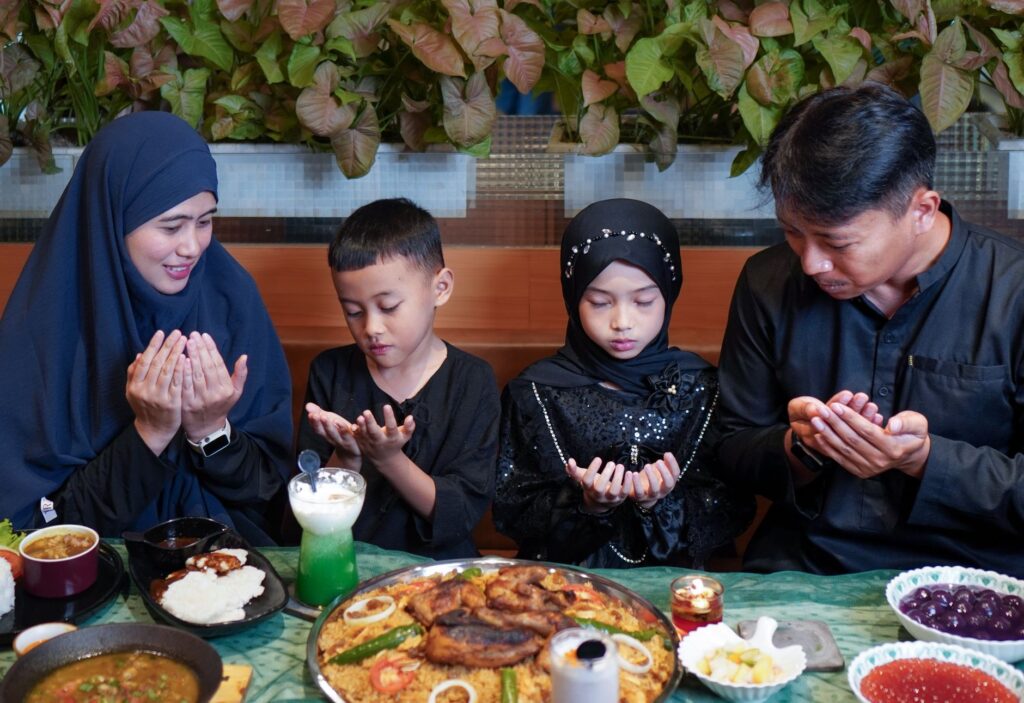
Making time for family worship and devotion is a fundamental rule that strengthens a family’s faith. As Joshua 24:15 states, “But as for me and my household, we will serve the Lord.” Establishing a regular time for prayer, Bible reading, and worship can unite a family under one spiritual purpose.
During these times, family members can share their thoughts on Scripture, pray for one another, and encourage each other in their spiritual journeys. This practice not only deepens individual faith but also reinforces the family’s collective commitment to God.
To implement family worship effectively, consider:

Hospitality is a beautiful way to demonstrate love and community. Romans 12:13 encourages believers to <strong“Share with the Lord’s people who are in need. Practice hospitality.” In a family context, this means opening your home and hearts to others, fostering a spirit of generosity and kindness.
Being hospitable can strengthen family relationships and create lasting memories. It can also teach children the importance of serving others and sharing God’s love with the community. Families can invite friends, neighbors, or even strangers to share meals, celebrations, or simply time together.
To cultivate a spirit of hospitality, families can:
Gratitude can transform perspectives and relationships. 1 Thessalonians 5:18 encourages us, “Give thanks in all circumstances; for this is God’s will for you in Christ Jesus.” A family that practices gratitude creates an atmosphere of appreciation and positivity.
Teaching children to recognize and express gratitude for both big and small blessings can shape their character and outlook on life. It encourages a focus on the positive aspects of life and fosters a supportive environment where family members feel valued.
Ways to nurture gratitude in the family include:
In a family setting, understanding each other’s perspectives can significantly reduce conflict and foster harmony. Each family member comes with their own experiences, emotions, and viewpoints. As Ephesians 4:2 (New International Version) reminds us, we should be “completely humble and gentle; be patient, bearing with one another in love.” Recognizing that every individual has their own journey helps cultivate a compassionate atmosphere.
Take time to listen actively to your family members. Set aside regular times for family discussions where everyone can express their feelings and thoughts without interruption. This practice not only strengthens relationships but also builds a foundation of trust and openness.
Patience is essential in the daily dynamics of family life. Whether it’s waiting for a child to finish homework or dealing with a spouse’s frustration, exercising patience aligns with the biblical teaching found in Colossians 3:12-13 (New International Version): “Therefore, as God’s chosen people, holy and dearly loved, clothe yourselves with compassion, kindness, humility, gentleness and patience. Bear with each other and forgive one another if any of you has a grievance against someone. Forgive as the Lord forgave you.”
When conflicts arise, take a moment to breathe and respond thoughtfully rather than react impulsively. Patience helps diffuse tense situations and provides a clearer perspective. Encourage family members to practice patience by modeling it yourself, reminding them that it’s okay to take a step back and process their feelings before acting.
Creating a culture of grace within the family means acknowledging that everyone makes mistakes and that it’s essential to extend grace to one another. As Romans 15:7 (New International Version) states, “Accept one another, then, just as Christ accepted you, in order to bring praise to God.” This principle can significantly transform how family members interact with each other, leading to stronger bonds and a more supportive environment.
To foster a culture of grace, hold family meetings to discuss how to support one another during challenging times. Encourage open dialogue about failures and how they can be addressed with love rather than judgment. This practice can help family members feel safe and understood, allowing them to share without fear of condemnation.

Healthy communication is the cornerstone of any strong family unit. James 1:19 (New International Version) instructs us to be “quick to listen, slow to speak and slow to become angry.” This principle serves as a guide for family discussions, reminding us to prioritize listening before responding.
Implementing regular family meetings can help establish a routine for open communication. During these gatherings, each member should have the opportunity to express their thoughts and feelings. Setting an agenda can keep conversations focused and productive, ensuring that everyone feels heard and valued.
Words hold great power, and using uplifting language can significantly impact family dynamics. Proverbs 18:21 (New International Version) reminds us that “the tongue has the power of life and death, and those who love it will eat its fruit.” Encouraging words can build each other up and reaffirm love and support within the family.
Make it a habit to express appreciation and validation for each family member’s efforts. Simple phrases like, “I appreciate your hard work” or “You did great today!” can go a long way. Consider implementing a weekly round where each person shares something they appreciate about another family member.
Disagreements are natural in any family, but the way conflicts are handled can either build or break relationships. As Matthew 18:15 (New International Version) advises, “If your brother or sister sins, go and point out their fault, just between the two of you. If they listen to you, you have won them over.” This principle encourages direct communication to resolve issues rather than allowing resentment to fester.
Establish a clear process for addressing conflicts within the family. Ensure that everyone understands the importance of discussing problems directly with the person involved rather than gossiping or complaining to others. This approach fosters accountability and encourages family members to take responsibility for their actions.
Every family member possesses unique talents and abilities that should be nurtured and celebrated. 1 Peter 4:10 (New International Version) states, “Each of you should use whatever gift you have received to serve others, as faithful stewards of God’s grace in its various forms.” Encouraging individual growth not only honors God’s creation in each person but also strengthens the family unit as a whole.
Take time to discover and appreciate each family member’s strengths. Consider holding monthly family nights where members showcase their talents, whether it’s music, art, or a special skill. This not only fosters personal development but also instills a sense of pride and belonging within the family.
Setting goals together as a family encourages collaboration and unity. Philippians 3:14 (New International Version) says, “I press on toward the goal to win the prize for which God has called me heavenward in Christ Jesus.” This verse can inspire families to work together towards common objectives, whether spiritual, educational, or relational.
Regularly sit down as a family to discuss short-term and long-term goals. These might include planning a vacation, achieving a financial milestone, or even spiritual growth goals. Write these goals down and revisit them periodically to celebrate progress and adjust as necessary.
Encouraging individual spiritual growth is critical in fostering a God-centered family environment. As stated in 2 Peter 3:18 (New International Version), “But grow in the grace and knowledge of our Lord and Savior Jesus Christ.” Each family member should take personal responsibility for their spiritual development.
Provide resources such as devotional books, Bible study materials, or prayer journals that family members can use independently. Encourage discussions about personal insights gained through these practices during family times together. This not only promotes individual growth but also enriches the family’s collective faith journey.
Start by discussing these rules with your family. Together, you can decide which ones resonate most with your values and lifestyle. Consider making a family agreement that outlines the rules and how everyone will support each other in following them.
It’s normal for children to resist rules. Be sure to explain the reasons behind each rule, emphasizing their importance in building a loving and respectful family. Engaging them in the conversation can help them feel more invested in the process.
Absolutely. Blended families can benefit greatly from these principles. Open communication and mutual respect are vital as members navigate their new relationships. Tailoring the application of these rules to fit unique family dynamics is key.
Everyone makes mistakes, and it’s important to approach failures with grace. Encourage open discussions about what went wrong and how to improve. Remember, forgiveness and understanding are essential parts of family life.
Implementing family rules with Bible verses can create a loving, respectful, and faith-centered environment at home. By grounding your family in Scripture, you not only build strong relationships but also teach valuable life lessons that will guide your children as they grow. Ultimately, these principles encourage a sense of belonging and foster a deep connection with one another and with God.
Weekly encouragement
Free Bible study guides, prayer help and a verse to carry through your week. No spam, unsubscribe anytime.



Join the conversation