
Faith and Trust in God
Gym Bible Verses Meme: Strengthening Faith and Fitness
Nov 22, 2026 · 13 min read
Explore the meaning behind The Valley Of Baca Bible Verse, and discover how it offers hope and encouragement in life's difficult moments.

Key Takeaways
The phrase “Valley of Baca” appears in Psalm 84:6, which reads, “As they go through the Valley of Baca, they make it a spring; the rain also covers it with pools.” This verse holds profound meaning for many believers, conveying themes of struggle, transformation, and divine presence.
The term “Baca” is often interpreted to mean “weeping” or “sorrow.” This suggests that the valley represents a place of hardship and emotional turmoil. However, within this context, the psalmist reveals a beautiful truth: even in the depths of despair, one can find hope and renewal through faith in God.
As we explore this verse, we can glean insights into how God’s presence can change our perspective on life’s valleys. Just as the travelers in the Psalm found springs of water in their journey, we too can find refreshment and strength in our spiritual walk, even when faced with difficulty.
To grasp the significance of the Valley of Baca, it is essential to understand the broader context of Psalm 84. This psalm is attributed to the Sons of Korah, who express a deep longing for the presence of God. They celebrate the joy of being in God’s house, recognizing that even the most challenging journeys can lead to spiritual renewal.
The psalmist contrasts the joy of communion with God against the backdrop of life’s struggles. The journey through the Valley of Baca is not merely an obstacle; it becomes a transformative experience. Each traveler is encouraged to see their hardships as opportunities for growth and deeper reliance on God.
In essence, Psalm 84 illustrates that God is intimately aware of our struggles and, through them, He invites us into a deeper relationship with Him. The valley becomes a pathway to spiritual maturation, teaching us to trust and lean on God during difficult times.

Life’s valleys can often leave us feeling vulnerable and weak. However, the Bible teaches us that our weaknesses can be a source of strength. In 2 Corinthians 12:9, the Apostle Paul speaks of God’s words: “My grace is sufficient for you, for my power is made perfect in weakness.” This assurance can transform our outlook on trials.
When we face our own Valley of Baca, it’s crucial to remember that God’s grace is not just for the strong; it is for those who acknowledge their need for Him. Finding strength in weakness means allowing God to work through us, even when we feel like we are at our lowest.
For example, consider a person who has lost a job and is struggling to make ends meet. While the situation appears bleak, this individual can turn to God in prayer, seeking strength and guidance. Through faith, they may find new opportunities and support they never anticipated, demonstrating that God can turn our valleys into springs of hope.
In times of distress, the support of a faith community can be invaluable. The Valley of Baca experience is often not meant to be faced alone. As believers, we are called to bear one another’s burdens (Galatians 6:2). This means that during our own valleys, we can find encouragement and strength in the fellowship of other believers.
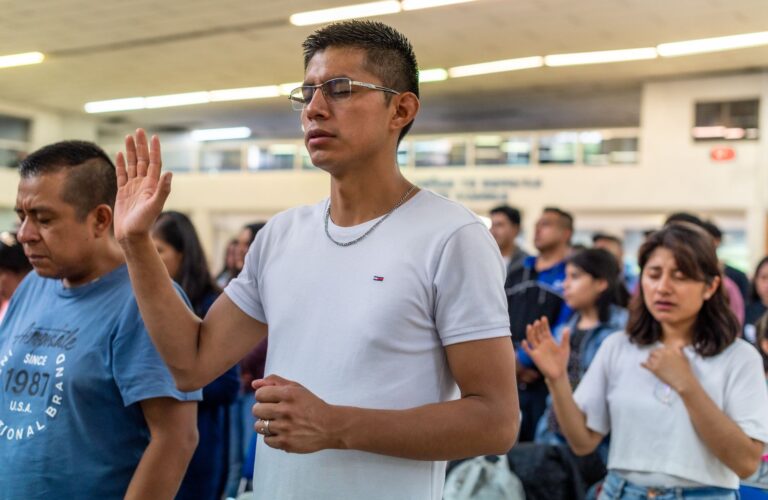
Community provides a safe space for sharing struggles and praying for one another. In times of sorrow, the love and support of fellow Christians can help us to see the light at the end of the tunnel. As we lean on each other, we create an environment where healing and renewal can happen.
Additionally, sharing testimonies of God’s faithfulness through personal valleys can inspire hope in others. When one person shares how they emerged from their own Valley of Baca, it encourages others facing similar trials to trust in God’s ability to transform their circumstances.
The Valley of Baca is not solely a place of sorrow; it can also be a place of transformation. Psalm 30:11 reminds us, “You turned my mourning into dancing; you took off my sackcloth and clothed me with joy.” This transformation is central to the Christian faith, where we see death leading to resurrection, and despair yielding to hope.
As believers, we are encouraged to look for the joy that can emerge from our struggles. This perspective shift is vital for navigating the valleys we encounter. It’s important to engage with God through prayer and Scripture, allowing His promises to renew our minds and hearts.
For example, a family facing the loss of a loved one may initially feel overwhelmed with grief. However, as they seek God’s presence, they may begin to remember the joyful moments shared with their loved one. This remembrance can lead to a celebration of life rather than solely mourning, allowing them to experience joy amidst their sorrow.

When you find yourself in a Valley of Baca, there are practical steps you can take to navigate your journey. Here are some suggestions:
These steps can provide a roadmap for navigating difficult seasons, leading you closer to God’s heart and allowing His grace to flow through your life.
In the depths of our valleys, it can be easy to feel abandoned and alone. However, we are reminded in Romans 8:38-39 that nothing can separate us from the love of God. This assurance is pivotal as we navigate through our struggles. The depth of God’s love for us is not contingent on our circumstances; it remains steadfast even when we find ourselves in the darkest places.
To truly embrace this love, we must actively seek His presence. Psalm 46:1 declares, “God is our refuge and strength, a very present help in trouble.” This verse emphasizes that God is not only aware of our struggles but is actively present with us. He invites us to come to Him, to seek Him earnestly in prayer, and to lay our burdens at His feet.
Gratitude may seem out of place when we are engulfed in sorrow, but it is a powerful tool that can shift our perspective. 1 Thessalonians 5:16-18 instructs us to “rejoice always, pray without ceasing, in everything give thanks; for this is the will of God in Christ Jesus for you.” This directive does not suggest that we must be thankful for our suffering, but rather, we can find reasons to be grateful even in the midst of it.
By focusing on the blessings we still have, we can cultivate a heart of gratitude. This shift can bring light into our darkest days. Consider keeping a gratitude journal, where you can jot down things you are thankful for each day. This practice aligns our hearts with God’s goodness, even when we are walking through tough times.

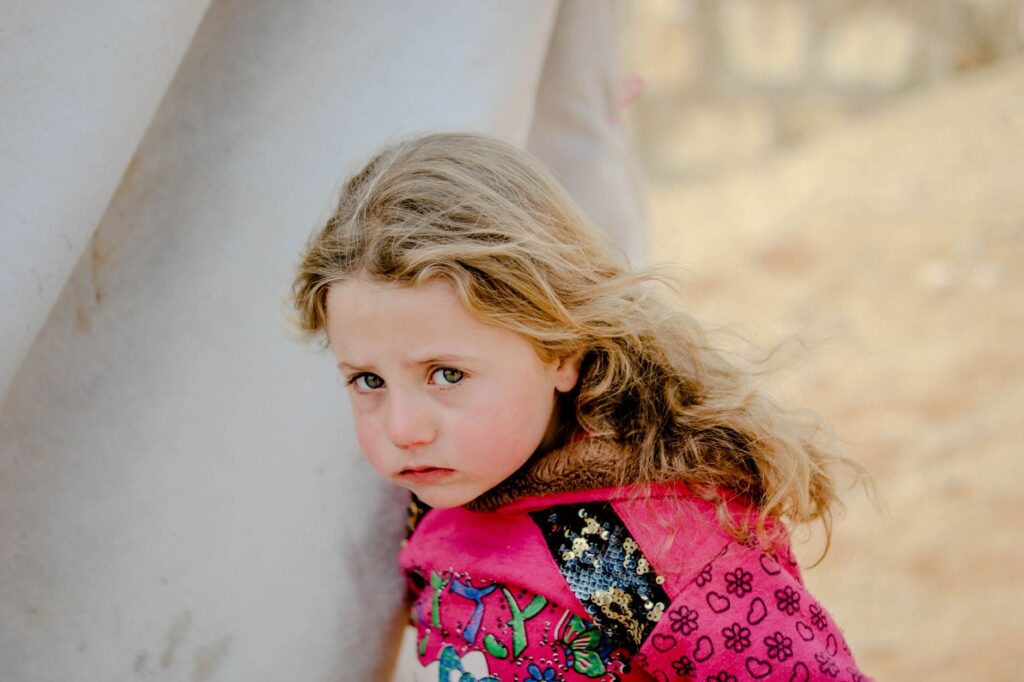
Suffering is often perceived as a negative experience, yet the Bible provides numerous insights into its purpose. James 1:2-4 tells us, “Count it all joy, my brothers, when you meet trials of various kinds, for you know that the testing of your faith produces steadfastness.” This passage highlights that trials are not without purpose; they refine our faith and character.
As we endure hardships, we can rest assured that God uses these experiences to shape us into the image of His Son, Jesus Christ (Romans 8:29). Embracing this truth allows us to view our valleys from a different perspective, recognizing that they are often the crucibles in which our faith is strengthened and our reliance on God deepens.
Perseverance is a recurring theme throughout Scripture, especially in relation to suffering. Hebrews 12:1-2 urges us to run with endurance the race set before us, fixing our eyes on Jesus. This call to perseverance is not simply about enduring pain but actively choosing to continue moving forward in faith, despite the challenges we face.
When we feel like giving up, we can remind ourselves of the examples of faith found in Hebrews 11. These individuals faced unimaginable trials yet remained steadfast in their trust in God. Their stories encourage us to persevere, knowing that our struggles can serve a greater purpose in God’s plan.
In the midst of our valleys, we can cling to the promise of restoration. Joel 2:25 states, “I will restore to you the years that the swarming locust has eaten.” This verse reassures us that God is in the business of restoring what has been lost or broken in our lives. While we may not always see immediate results, we can trust in His perfect timing for healing and restoration.
Restoration may come in various forms, from emotional healing to physical recovery or even reconciliation in relationships. It is vital to remain hopeful and expectant during our valleys, knowing that God is working behind the scenes, even when we cannot see it. This hope fuels our perseverance and encourages us to keep our eyes fixed on Him.
Finally, as we navigate through the Valley of Baca, we can hold onto the hope of future glory. Romans 8:18 reassures us that “the sufferings of this present time are not worth comparing with the glory that is to be revealed to us.” This perspective helps us endure our current struggles by focusing on the eternal promises of God.
When we view our sufferings in light of eternity, we gain a broader understanding of God’s purpose. The trials we face today are temporary, and they serve to prepare us for the eternal glory that awaits us as believers. This hope can sustain us through even the darkest valleys, reminding us that our current pain is not in vain.
The Valley of Baca symbolizes a place of weeping and sorrow, representing the trials and hardships we face in life.
By turning to God in prayer, engaging with Scripture, and seeking support from a faith community, you can find hope and strength in your struggles.
Yes, it is completely normal to feel overwhelmed during difficult times. Acknowledging these feelings is the first step toward healing and finding God’s comfort.
Yes, God can transform our sorrow into joy, as evidenced in Psalm 30:11. Trusting in His promises can lead to renewed hope and strength.
The Valley of Baca serves as a powerful metaphor for the struggles we encounter in life. Yet, it also highlights God’s promise to be with us through our trials, transforming our sorrow into joy. As we navigate our own valleys, may we find strength in God’s presence and the support of our faith community, turning our hardships into opportunities for growth and spiritual renewal.
Weekly encouragement
Free Bible study guides, prayer help and a verse to carry through your week. No spam, unsubscribe anytime.


Join the conversation