Bible Verses About Flowers: Beauty and Spiritual Lessons
Discover profound insights and encouragement from Bible verses about flowers in the KJV, illustrating God's beauty and care for His creation.
Key Takeaways
- Explore how flowers symbolize God's creation and care.
- Learn about spiritual lessons drawn from flowers in the Bible.
- Find encouragement in scripture that relates to your everyday life.
- Reflect on the transient beauty of life through biblical perspectives.
Flowers have a unique way of capturing our hearts and minds. Their beauty, delicate structure, and the variety of colors they exhibit often remind us of the creativity of God. In the Bible, flowers serve as a profound metaphor for life, beauty, and the transient nature of existence. Through the lens of scripture, we can glean insights that not only highlight God’s artistry but also encourage our spiritual walks.
In this article, we will explore various Bible verses about flowers from the King James Version (KJV). Each verse offers a unique lesson or reminder about our relationship with God and His creation. As you read, consider how these verses can apply to your life, encouraging you to appreciate the beauty around you and trust in God’s perfect plan.
Let us take a closer look at these verses, diving into their meanings and the spiritual truths they convey.
Flowers as Symbols of God’s Creation
Flowers are one of the most beautiful creations of God, showcasing His artistry and attention to detail. In Matthew 6:28-29, Jesus draws our attention to the lilies of the field: “And why take ye thought for raiment? Consider the lilies of the field, how they grow; they toil not, neither do they spin: And yet I say unto you, That even Solomon in all his glory was not arrayed like one of these.” This passage emphasizes that the beauty of flowers surpasses even the grandeur of the most powerful king.
The imagery of flowers in the Bible often serves to remind us of God’s providence and care. When we see a flower blooming, we can reflect on how God provides for our needs, often in ways we do not expect. Just as flowers bloom in their season, we too can trust that God will provide for us in His perfect timing.
In addition, the variety of flowers points to the diversity of God’s creation. Each flower has its unique beauty, just as each person has unique gifts and purposes. This diversity is celebrated in 1 Corinthians 12:4-6, where Paul writes about the different gifts, services, and workings, all coming from the same Spirit. We are reminded that, like flowers, we have been created with intention and purpose.
The Transience of Life Illustrated by Flowers
Flowers are often fleeting, blooming for a short time before wilting away. This transience serves as a reminder of the brevity of life. In Isaiah 40:6-8, we read: “The voice said, Cry. And he said, What shall I cry? All flesh is grass, and all the goodliness thereof is as the flower of the field. The grass withereth, the flower fadeth: because the spirit of the Lord bloweth upon it: surely the people is grass. The grass withereth, the flower fadeth: but the word of our God shall stand forever.” This passage starkly contrasts the fleeting nature of life with the eternal nature of God’s Word.
When we contemplate the life cycle of a flower, we can find a deeper understanding of our own lives. Just as flowers bloom and fade, our lives have seasons. There are times of growth, fruitfulness, and beauty, but also times of difficulty, loss, and change. Embracing this cycle can help us to appreciate our experiences and trust that God is with us in every season.
For instance, consider a garden that flourishes in spring. Each flower represents a different stage of life. Some flowers are in full bloom, while others are just beginning to bud. This can mirror our own journeys, some may feel vibrant and alive in their faith, while others may be struggling to grow. Yet, in all stages, God is present, nurturing and guiding us towards spiritual maturity.
God’s Care for His Creation
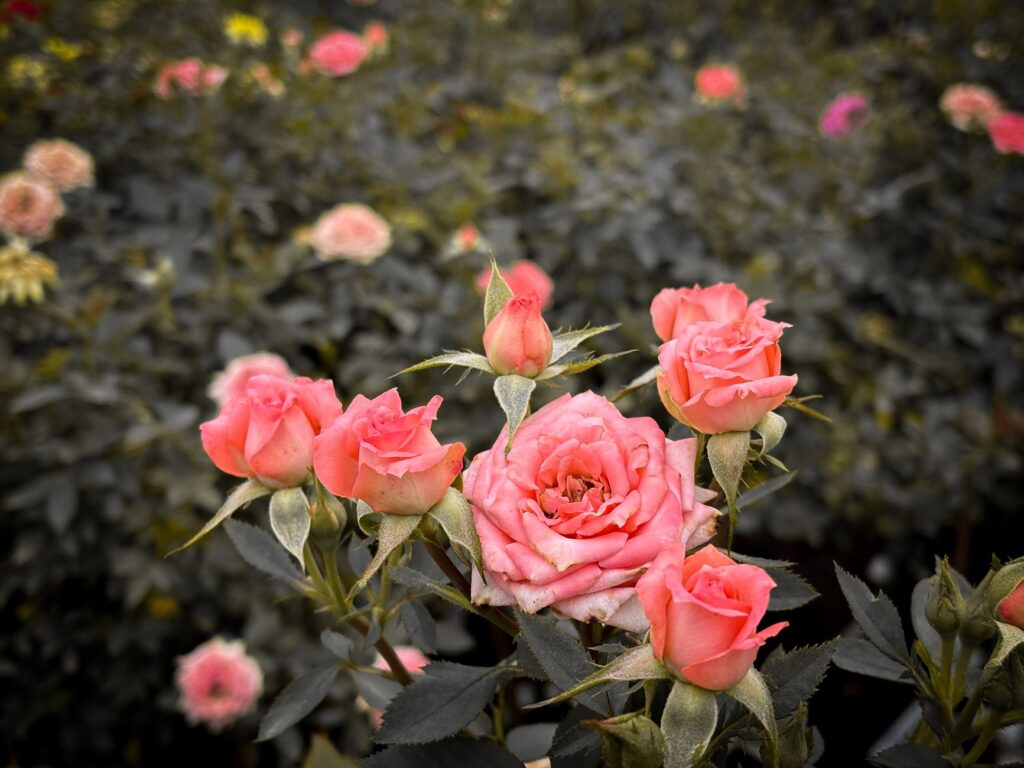
The Bible frequently illustrates God’s care for creation through the metaphor of flowers. In the Song of Solomon, flowers are used to describe beauty and love. For example, in Song of Solomon 2:1, the beloved states: “I am the rose of Sharon, and the lily of the valleys.” This imagery not only emphasizes beauty but also conveys a sense of belonging and value. Just as flowers are cherished, so are we in God’s eyes.
In Matthew 6:26, Jesus reassures us of God’s provision: “Behold the fowls of the air: for they sow not, neither do they reap, nor gather into barns; yet your heavenly Father feedeth them. Are ye not much better than they?” This verse powerfully reminds us that if God cares for the birds and the flowers, He cares even more for us, His children. We can take comfort in knowing that we are valued and loved.
Moreover, flowers remind us of the beauty in simplicity. Often, we can become overwhelmed by the complexities of life and our own expectations. However, flowers bloom without striving; they simply exist and reflect God’s creativity. This invites us to embrace simplicity in our lives, trusting that God will provide and sustain us.
Lessons from the Wildflowers
Wildflowers, in particular, showcase resilience and beauty. In Matthew 6:28-30, Jesus points out wildflowers, saying: “And why take ye thought for raiment? Consider the lilies of the field, how they grow; they toil not, neither do they spin: And yet I say unto you, That even Solomon in all his glory was not arrayed like one of these.” Wildflowers grow in various environments, often flourishing in conditions where cultivated flowers may struggle.
This resilience reminds us that, like wildflowers, we can thrive in the midst of challenges. Life’s difficulties may feel overwhelming, but God equips us to withstand them. Just as wildflowers bloom in unlikely places, we too can find our strength and purpose in Christ, even when circumstances are tough.
Consider a field of wildflowers that blooms after a heavy rain. This scene can serve as a metaphor for hope and renewal. After periods of struggle, growth is still possible, and beauty can emerge from adversity. This encourages us to trust that God can bring forth beauty from our trials, turning our struggles into testimonies of His faithfulness.
Flowers in Spiritual Symbolism
Throughout scripture, flowers are rich in symbolism. A well-known example is found in 1 Peter 1:24-25: “For all flesh is as grass, and all the glory of man as the flower of grass. The grass withereth, and the flower thereof falleth away: But the word of the Lord endureth forever. And this is the word which by the gospel is preached unto you.” Here, flowers symbolize human fragility and the inevitability of life’s transience.
This imagery encourages us to focus on what is eternal. While flowers may fade, God’s Word remains constant and unchanging. In our lives, we can find grounding in scripture, allowing it to guide us through changing circumstances and uncertainties.
Moreover, flowers symbolize hope and new beginnings. In Revelation 22:1-2, the tree of life is described as bearing twelve manner of fruits, yielding its fruit every month. The imagery of flowers and fruitfulness conveys God’s promise of restoration and abundance. This encourages us to hold on to hope, knowing that God can bring new life from what seems lifeless.
Encouragement from Floral Imagery
When we reflect on flowers, we can draw encouragement in our spiritual journeys. The beauty of flowers can serve as a reminder of God’s presence. In Psalm 104:24-25, we read: “O Lord, how manifold are thy works! In wisdom hast thou made them all: the earth is full of thy riches. So is this great and wide sea, wherein are things creeping innumerable, both small and great beasts.” This psalm invites us to marvel at the complexity and beauty of God’s creation.
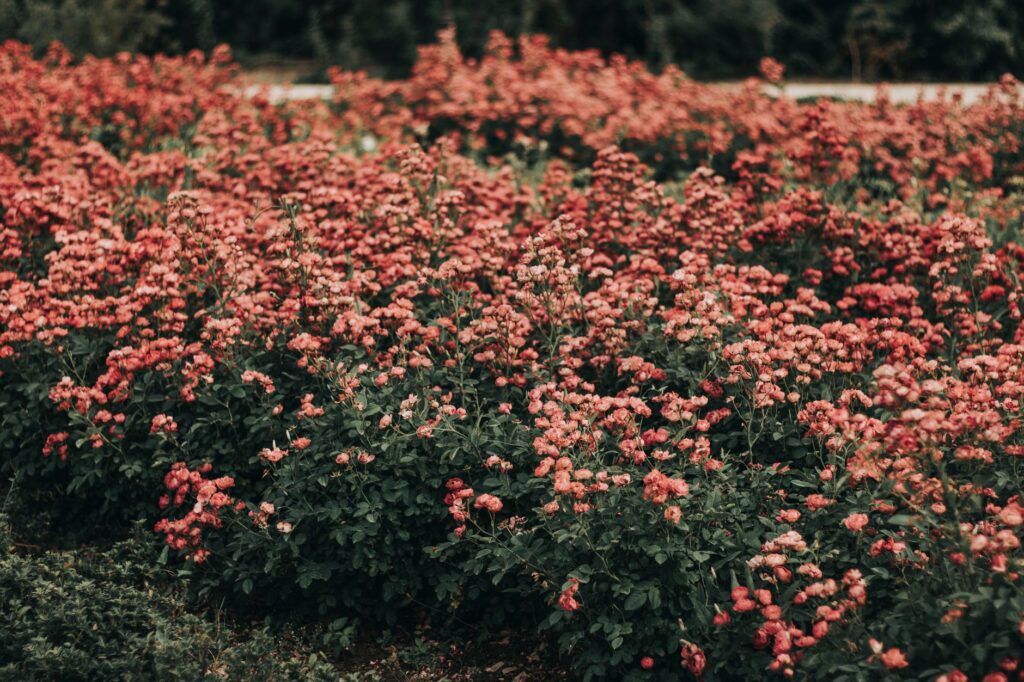
Furthermore, flowers can inspire gratitude. When we see a blooming garden or a field of wildflowers, it can evoke a sense of wonder and appreciation for God’s handiwork. Taking time to notice the beauty around us can foster a spirit of thankfulness, prompting us to acknowledge God’s blessings in our lives.
An illustration of this can be found in a community garden. When individuals come together to plant and nurture flowers, they cultivate not only the earth but also relationships. The act of tending to flowers becomes a shared experience of joy, reminding participants of the beauty of collaboration and the joy of God’s creation. Such environments can foster spiritual growth and community, echoing the interconnectedness of life as seen in nature.
The Role of Flowers in Worship
Flowers as Offerings
Throughout the Bible, flowers can be seen as a part of worship and offerings to God. In the Old Testament, the Israelites brought various offerings to the Lord, which often included the first fruits of their harvest, symbolizing their gratitude and reverence. In Leviticus 2:12, it states, “As for the offering of the first fruits, you shall offer them to the Lord, but they shall not be offered on the altar for a sweet aroma.” This illustrates how even the beauty of flowers can be a part of our worship, as they represent the bounty of God’s creation.
When we present flowers in our worship spaces, we acknowledge God’s artistry in creation. Flowers can serve as a reminder of the beauty and provision God offers. Just as the Israelites offered their best to God, we too can dedicate beautiful blooms in our churches or homes, symbolizing our devotion and gratitude.
Flowers in Prayer
Incorporating flowers in our prayer life can enhance our spiritual connection. The fragrant scent of flowers can uplift our spirits and help us focus on God. In Song of Solomon 2:1, it says, “I am the rose of Sharon, and the lily of the valleys.” This verse emphasizes the intimate connection between beauty and spirituality, suggesting that flowers can be a conduit for prayer and communion with God.
Here are some ways to incorporate flowers into your prayer life:
- Use a vase of fresh flowers as a focal point during your prayer time, allowing their beauty to inspire your thoughts.
- Choose flowers that have specific meanings or symbolism that resonates with your prayers, such as peace lilies for healing.
- Arrange a bouquet while praying for others, dedicating each flower to someone in need of prayer.
Lessons from the Blooming Cycle
The Cycle of Growth and Renewal
The blooming cycle of flowers can teach us profound spiritual lessons about growth and renewal in our own lives. In 1 Peter 1:24-25, it tells us, “For all flesh is like grass and all its glory like the flower of grass. The grass withers, and the flower falls, but the word of the Lord remains forever.” This passage speaks to the transient nature of life but also reassures us of the eternal nature of God’s word.
Just as flowers bloom beautifully, they also face seasons of dormancy and decay. In our spiritual journeys, we may experience similar cycles of growth, struggle, and renewal. Recognizing that these seasons are part of God’s design can provide comfort during difficult times.
Lessons of Patience and Timing
Flowers do not bloom overnight; they require time and care. This principle teaches us about patience in our spiritual growth. In Ecclesiastes 3:1, we read, “For everything there is a season, and a time for every matter under heaven.” Just as flowers bloom in their appointed time, we too must trust in God’s timing for our lives.
Consider reflecting on these aspects of timing in your spiritual journey:
- Recognize that personal growth takes time, much like the gradual blooming of a flower.
- Embrace the patience required during seasons of waiting, knowing that God is at work behind the scenes.
- Stay rooted in faith, just as a flower’s roots draw nourishment from the soil.
Flowers as Messengers of Hope
Flowers Representing Hope in Scripture
Flowers often symbolize hope in the Bible, serving as reminders of God’s promises. In Isaiah 35:1-2, it states, “The wilderness and the dry land shall be glad; the desert shall rejoice and blossom like the crocus. It shall blossom abundantly and rejoice with joy and singing.” This passage speaks to the hope that God brings, even in barren places.
Flowers emerging in desolate areas can symbolize the hope that God can bring into our lives, no matter how difficult our circumstances may seem. They remind us that beauty can arise from hardship, and God’s promises are steadfast.
Using Flowers to Spread Hope
As believers, we can use flowers to spread hope to those around us. By sharing flowers with others, we communicate love and encouragement, reflecting God’s grace. In Proverbs 11:25, it says, “Whoever brings blessing will be enriched, and one who waters will himself be watered.” Sharing flowers can be a simple yet powerful act of kindness.
Here are some ways to use flowers to spread hope:
- Deliver flowers to a friend or neighbor who is facing challenges to uplift their spirits.
- Include flowers in care packages for those in need or in hospital visits.
- Plant a flower garden in your community to bring joy and beauty to public spaces.
Frequently Asked Questions
What do flowers symbolize in the Bible?
Flowers in the Bible symbolize beauty, transience, and God’s provision. They serve as reminders of the fragility of life and the eternal nature of God’s Word.
How can I apply the lessons from flowers to my life?
You can reflect on the beauty and resilience of flowers to find encouragement in your spiritual journey. Embrace simplicity, trust in God’s provision, and appreciate the seasons of your life.
Are there specific Bible verses about flowers?
Yes, passages such as Matthew 6:28-29 and Isaiah 40:6-8 highlight the beauty and symbolism of flowers, emphasizing God’s care for His creation and the transient nature of life.
What can wildflowers teach us spiritually?
Wildflowers symbolize resilience and beauty, thriving in adverse conditions. They remind us that, like them, we can find strength in Christ during challenging times.
The Bottom Line
Flowers serve as a rich metaphor throughout the Bible, illustrating beauty, transience, and God’s care for His creation. From their vibrant blooms to their fleeting existence, they remind us to appreciate the beauty around us and to trust in God’s perfect timing and provision. As we reflect on these biblical verses about flowers, may we find encouragement and inspiration to embrace our own spiritual journeys with gratitude and hope.
Keep reading
More Creation & Nature →



Weekly encouragement
Grow in the Word, one email at a time.
Free Bible study guides, prayer help and a verse to carry through your week. No spam, unsubscribe anytime.
Join the conversation