
Bible Verses by Topic
Bible Verses About Instruments: Music’s Role in Worship
Nov 25, 2026 · 12 min read
Explore the Magnolia Bible Verse and discover the beauty and meaning of God's Word in everyday life.

Key Takeaways
The phrase “Magnolia Bible Verse” invites us to contemplate the intersection of nature and Scripture. Magnolias, with their stunning blooms and fragrant petals, serve as a reminder of God’s artistry in creation. The Bible often uses imagery from nature to convey profound spiritual truths. As we explore the meaning behind these verses, we see how the beauty of the magnolia can mirror the beauty found in God’s Word.
Magnolias are not just beautiful; they have deep roots in symbolism. They represent dignity, purity, and a love for nature. In many ways, they embody the characteristics of God’s creation, full of life, vibrant, and purposeful. As we reflect on this, we can connect the dots between the magnificence of creation and the messages found in Scripture.
In this exploration, we will dive into specific Bible verses that resonate with the essence of the magnolia flower, drawing connections to themes of beauty, renewal, and faith. We will look at how these verses can inspire us in our daily lives.
Magnolias are often associated with various meanings in different cultures, but they universally signify beauty and grace. In Scripture, flowers are frequently used as metaphors. For instance, in Matthew 6:28-30, Jesus refers to the lilies of the field, highlighting how God provides for even the smallest of His creations. This theme extends to magnolias, reminding us that just as God cares for the flowers, He cares for us.
Moreover, the lifecycle of a magnolia tree, from bud to full bloom, mirrors the spiritual journey of growth and maturity we experience as Christians. In 2 Corinthians 5:17, we learn that in Christ, we are made new creations. Just as a magnolia blossoms after a season of dormancy, we too can experience renewal through faith.
Here are some key symbolic connections between magnolias and Scripture:
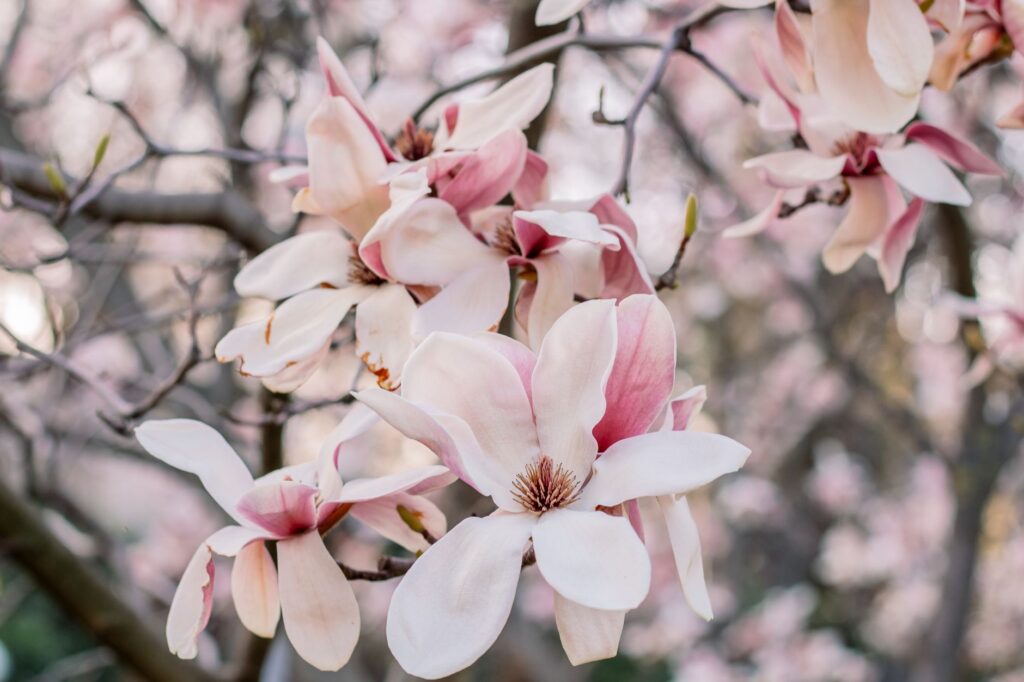
While there may not be a specific verse that directly mentions magnolias, several powerful passages capture their essence. Here are some verses that resonate with the beauty and symbolism of magnolias:
As we reflect on magnolias and the Scripture that connects to their beauty, we can consider practical ways to apply these lessons in our lives. Here are some suggestions:
Consider the story of a woman named Sarah. After facing a difficult season of loss and grief, she found solace in gardening. One day, while tending to her magnolia tree, she noticed how the buds were beginning to open. This simple act of nurturing brought her a sense of hope and renewal. Each blossom reminded her of God’s promise of new beginnings.
As she reflected on the Scripture that spoke of beauty from ashes, she felt a deep connection to the life cycle of the magnolia. Just as the tree endured harsh winters, she realized she too could emerge from her struggles. The beauty of the flowers became a tangible reminder of God’s faithfulness. This personal connection to nature and Scripture can inspire us all to find hope in challenging times.
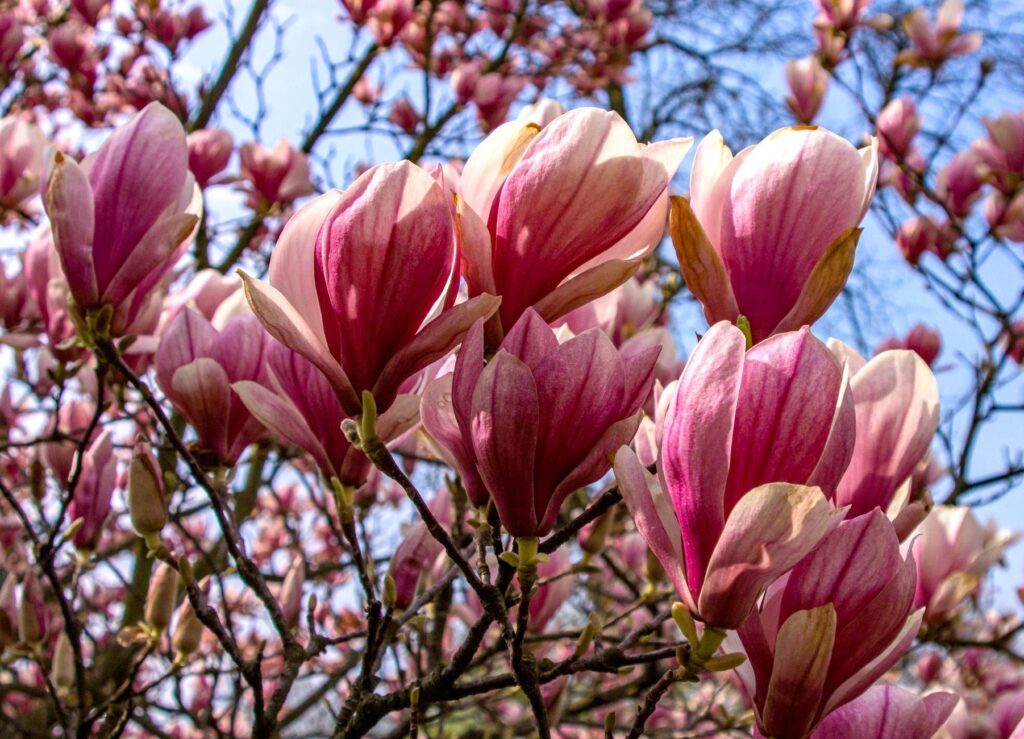
Nature plays a vital role in our spiritual lives. Jesus often withdrew to the wilderness to pray, as noted in Matthew 14:23. Nature provides a serene backdrop for reflection, allowing us to connect with God on a deeper level. Here are some reasons why spending time in nature can enhance our spiritual journey:
Magnolias are known for their resilient nature, thriving in various climates and conditions. This resilience can be likened to the biblical stories of perseverance in the face of adversity. For instance, consider the story of Job, who faced immense suffering yet remained steadfast in his faith. In Job 1:21, he declares, “The Lord gave, and the Lord has taken away; blessed be the name of the Lord.” Job’s unwavering trust in God mirrors the tenacity of the magnolia, reminding us that we, too, can endure life’s challenges with grace.
Another powerful example is found in the life of Ruth. After losing her husband, Ruth chose to stay with her mother-in-law, Naomi, demonstrating loyalty and resilience. As she states in Ruth 1:16, “Where you go, I will go, and where you stay, I will stay. Your people will be my people, and your God my God.” This commitment to family and faith illustrates how resilience can lead to profound blessings, just as magnolias bloom beautifully after enduring harsh winters.
The growth process of magnolias teaches us that beauty often emerges from struggle. In James 1:2-4, we are reminded to “consider it pure joy, my brothers and sisters, whenever you face trials of many kinds, because you know that the testing of your faith produces perseverance. Let perseverance finish its work so that you may be mature and complete, not lacking anything.” Just as the magnolia grows stronger through the seasons, so too can our faith deepen through trials.
Moreover, the Apostle Paul provides a powerful perspective in Romans 5:3-5, stating, “Not only so, but we also glory in our sufferings, because we know that suffering produces perseverance; perseverance, character; and character, hope.” This cycle of growth is reminiscent of the magnolia’s journey from bud to bloom, teaching us to appreciate the process.
Developing resilience in our spiritual lives can be approached through practical steps that align with biblical teachings. Here are some ways to cultivate this vital trait:
By taking these steps, we can nurture our resilience, much like a magnolia that withstands the storms and blooms beautifully in due time.
Hope is intricately woven into the fabric of the Christian faith, much like the magnolia’s enduring presence in nature. Romans 15:13 declares, “May the God of hope fill you with all joy and peace as you trust in him, so that you may overflow with hope by the power of the Holy Spirit.” Just as the magnolia’s blooms signal the arrival of spring, a season of renewal, our faith in God brings a profound sense of hope, reminding us that even in our darkest moments, new life is possible.
Furthermore, Hebrews 11:1 states, “Now faith is confidence in what we hope for and assurance about what we do not see.” This verse highlights the importance of hope as a foundation for our faith. The magnolia serves as a gentle reminder that beauty and renewal are often just around the corner, even if we cannot see it yet.
In life, we often encounter trials that challenge our sense of hope. However, the magnolia’s ability to thrive in adverse conditions can inspire us to find hope in our struggles. In Lamentations 3:22-23, we read, “Because of the Lord’s great love we are not consumed, for his compassions never fail. They are new every morning; great is your faithfulness.” This passage reassures us that God’s mercies are renewed each day, instilling hope that we can overcome our challenges.
When we actively seek hope, we can experience the transformative power of God’s love, much like the magnolia that blooms even after the harshest winters.
Building a foundation of hope involves intentional actions that align with our faith. Here are some practical ways to foster hope in your life:
As we practice these actions, we can cultivate a hopeful heart, reflecting the beauty of the magnolia and its unwavering resilience.
Just as magnolias produce beautiful flowers, our lives should exhibit the fruits of the Spirit as described in Galatians 5:22-23, which states, “But the fruit of the Spirit is love, joy, peace, forbearance, kindness, goodness, faithfulness, gentleness, and self-control. Against such things there is no law.” Each characteristic can be seen as a blooming flower in our lives, contributing to our overall spiritual growth.
Magnolias thrive in rich soil, much like our spiritual lives need to be nourished with God’s Word. In Colossians 2:6-7, we are reminded, “So then, just as you received Christ Jesus as Lord, continue to live your lives in him, rooted and built up in him, strengthened in the faith as you were taught, and overflowing with thankfulness.” This metaphor of being rooted speaks to the importance of cultivating our spiritual lives to produce abundant fruit.
To reflect the beauty of magnolias in our lives, we must actively cultivate the fruits of the Spirit. Here are ways to develop each fruit:
As we strive to embody these traits, we become living testimonies of God’s work in our lives, much like the magnolia that stands tall and beautiful, showcasing its blooms for all to see.
The Magnolia Bible Verse refers to the connection between the beauty of magnolias and the themes of Scripture, emphasizing renewal, beauty, and God’s provision.
While no verse specifically mentions magnolias, verses like Isaiah 61:3 and Matthew 6:28 highlight themes of beauty and God’s care for creation.
You can incorporate magnolia symbolism by embracing beauty in nature, seeking personal renewal, and sharing kindness with others, reflecting Christ’s love.
Nature reflects God’s creativity and provides a peaceful setting for reflection, enhancing our understanding of spiritual truths found in Scripture.
The Magnolia Bible Verse and its related themes remind us of the beauty and renewal that God offers through His Word. Just as the magnolia blooms with grace, we too can experience transformation and hope through our faith. Embracing the lessons found in Scripture and reflecting on the beauty of nature can enrich our spiritual journey.
Weekly encouragement
Free Bible study guides, prayer help and a verse to carry through your week. No spam, unsubscribe anytime.

Join the conversation