Miss the Mark Bible Verse
Discover the meaning of the phrase 'miss the mark' in the Bible and learn how it reflects our human nature and need for grace.
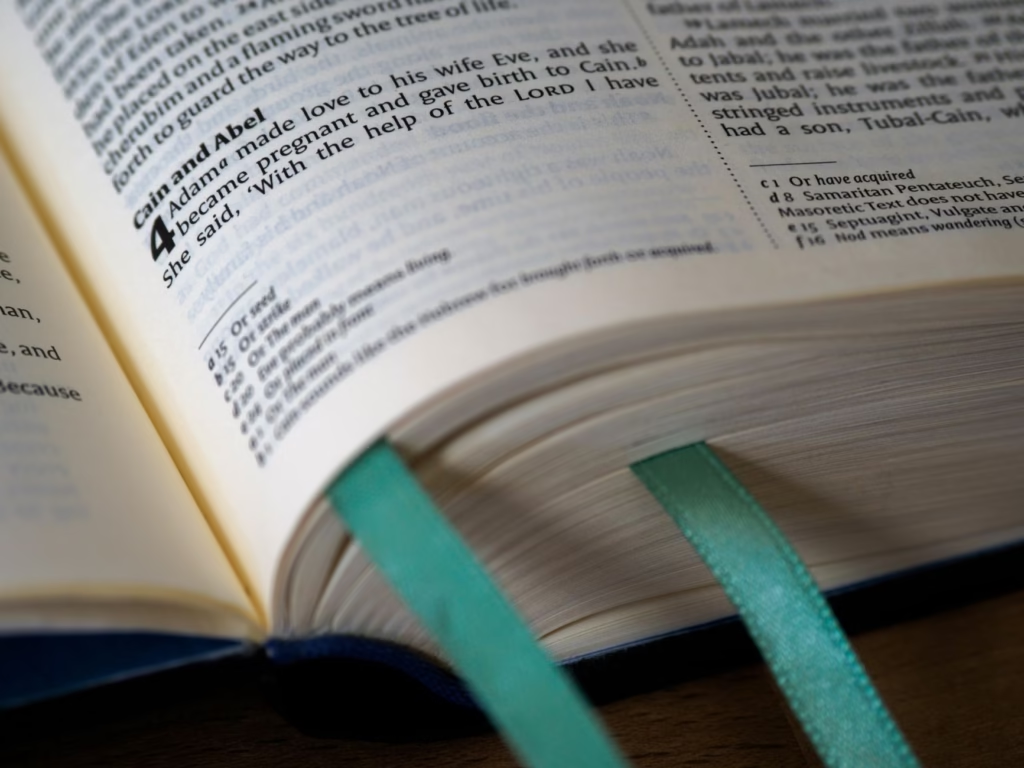
Short answer: The phrase "miss the mark" relates to sin in the Bible, referencing our failure to meet God's standards. Key verses include Romans 3:23 and James 4:17, highlighting the universal nature of sin and our need for grace.
Miss the Mark Bible Verse: Understanding Its Meaning and Application
The phrase "miss the mark" might ring a bell for many, especially those familiar with Christian teachings. It relates closely to the biblical concept of sin, drawing from the original Greek term "hamartia," which means to err or miss the target. But how does this phrase seep into our everyday lives, and what lessons can we derive from it? In this post, we will delve into the biblical meanings, specific verses, and how this concept applies to our daily challenges.
The Origin of "Miss the Mark" in Scripture
The concept of "missing the mark" is steeped in biblical meaning. While the term is not always used directly in translations, its implications resonate throughout both the Old and New Testaments.
Key Verses
- Romans 3:23 – "For all have sinned and fall short of the glory of God."
- James 4:17 – "Therefore, to him who knows to do good and does not do it, to him it is sin."
- 1 John 1:8 – "If we say that we have no sin, we deceive ourselves, and the truth is not in us."
In these verses, the essence of "missing the mark" signifies that falling short of God’s expectations is a universal human condition.
Breaking Down "Hamartia": What Does it Really Mean?
The Greek word "hamartia" captures the notion of missing a target. In the biblical context, it refers to failing to achieve a divine standard of righteousness or falling short of God's moral expectations. Here’s what it encompasses:
- Moral Failures: Engaging in actions contrary to God’s laws.
- Spiritual Shortcomings: Failing to meet the spiritual principles set in scripture.
- Neglecting Goodness: Ignoring the good one knows they should be doing.
Understanding "hamartia" is essential for recognizing our own shortcomings and deepening our spiritual journey.
Why Do We Miss the Mark?
It’s easy to throw up our hands in despair, but understanding the reasons behind our “misses” can help us grow. Common reasons we miss the mark include:
- Human Weakness: Our inherent flaws and sinful nature can cause us to stray.
- Lack of Knowledge: Without understanding God’s Word, we may unknowingly act contrary to it.
- Distractions: Life's chaos can draw our focus away from spiritual goals.
How Missing the Mark Affects Our Lives
On a Personal Level
- Emotional Consequences: Missing the mark can lead to feelings of guilt, shame, and disappointment.
- Strained Relationships: Our actions affect those around us, and failing to meet expectations can lead to conflicts.
- Stunted Spiritual Growth: Continually missing the mark may cause one to feel distant from God.
On a Community Level
- Cultural Impact: When communities collectively fall short of moral standards, societal issues can arise, from injustice to disconnect.
- Collective Responsibility: Understanding the concept can lead to compassionate conversations about accountability, forgiveness, and healing.
Finding Grace in Our Misses
Despite the heavy implications of missing the mark, the story of grace is woven throughout the biblical narrative. Here’s how we can embrace this concept:
Seeking Forgiveness
Realizing that we all fall short can drive us closer to God. The recognition of our flaws fosters humility, leading us to sincerely seek forgiveness through prayer and repentance.
Practicing Grace Towards Others
When we understand our own weaknesses, it becomes easier to extend grace to others.
- Empathize: Remember that everyone has their struggles.
- Encourage: Help others to stay on course in their spiritual journeys.
- Communicate: Discuss openly the areas where everyone seems to “miss the mark” for communal growth.
Conclusion: Embracing Our Imperfections
“Missing the mark” is a universal experience, and its significance stretches beyond just a biblical understanding. It offers a profound reflection on our human nature, challenges us to strive for better, and reminds us of the grace readily available to us.
As you navigate your journey, remember that falling short is not the end; it is a stepping stone towards growth and understanding. By embracing our imperfections and those of others, we open the door to healing, forgiveness, and the ultimate grace of knowing we are always loved and accepted by God.
So next time you feel like you’ve “missed the mark,” take a moment to reflect, seek guidance, and remember—grace is always just a prayer away.
Key Takeaways
- Missing the mark signifies our universal failure to meet God's expectations.
- The Greek term 'hamartia' highlights moral failures and spiritual shortcomings.
- Recognizing our imperfections encourages humility and reliance on God's grace.
- Extending grace to others fosters community and accountability.
Embrace Imperfections
Understand that everyone has moments of missing the mark. Use these experiences as opportunities for growth and compassion towards others.
Frequently Asked Questions
What does 'missing the mark' mean in a biblical context?
'Missing the mark' refers to failing to live up to God's standards, encompassing moral and spiritual shortcomings.
Are there specific verses that talk about missing the mark?
Yes, Romans 3:23 and James 4:17 address the concept of sin and the idea of falling short of what God desires.
How can I deal with feeling like I've missed the mark?
Seek forgiveness through prayer and focus on humility, recognizing that everyone struggles with sin.
What should I do when I see others missing the mark?
Extend grace and understanding, encouraging them while fostering open discussions about spiritual growth.
The Bottom Line
Remember that missing the mark is part of the human experience, not a dead end. Each misstep is a chance for growth and a reminder of God’s unwavering grace and love, guiding us back to Him.
Keep reading
More Bible Verses by Topic →


Weekly encouragement
Grow in the Word, one email at a time.
Free Bible study guides, prayer help and a verse to carry through your week. No spam, unsubscribe anytime.
Join the conversation