Handel’s Messiah Bible Verses
Discover Handel's Messiah Bible verses that inspire hope, redemption, and the narrative of Christ. Learn how scripture enhances this musical masterpiece.
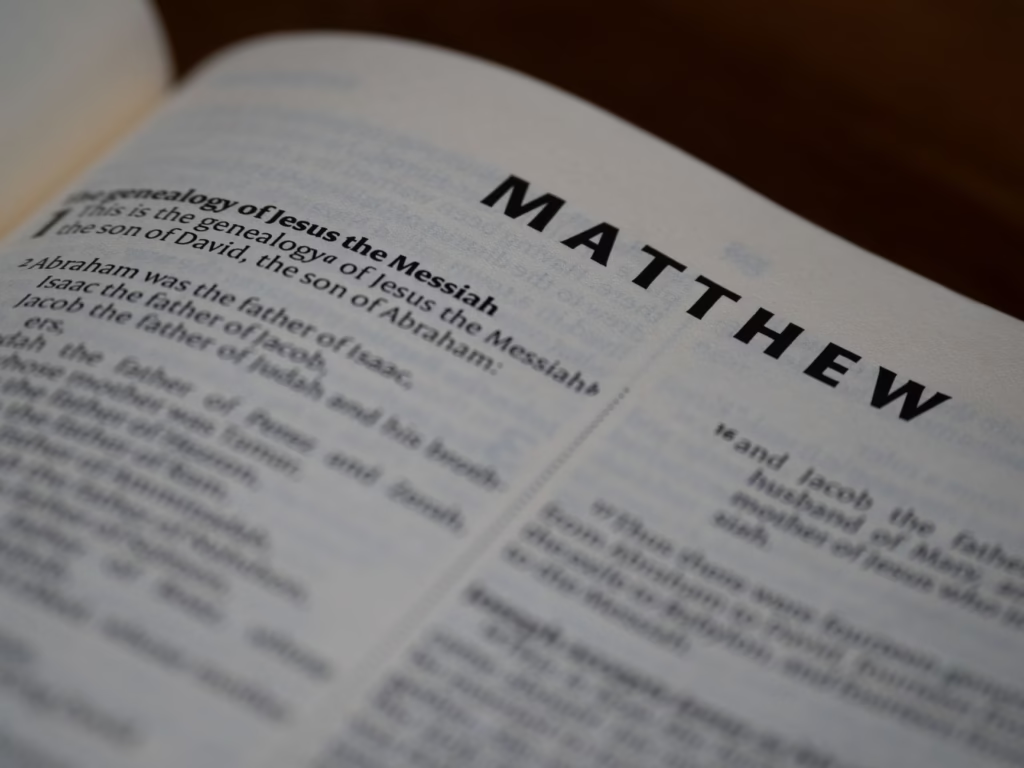
Short answer: Handel's Messiah incorporates several Bible verses, notably Isaiah 9:6-7, which prophesies the birth of Jesus, and 1 Corinthians 15:55-57, proclaiming victory over death. These passages highlight the themes of hope and redemption central to the work.
Handel's Messiah Bible Verses: A Harmonious Intersection of Scripture and Music
Introduction
George Frideric Handel's Messiah is one of the most beloved and frequently performed choral works in Western music history. Premiering in 1742, this oratorio is famous not only for its exquisite melodies but also for its rich scriptural foundations. The text, compiled by Charles Jennens, draws extensively from the Bible, weaving together themes of prophecy, resurrection, and redemption. In this blog post, we will explore the Bible verses that inspired Messiah, illuminating how these scriptures enhance the work's spiritual and musical beauty.
The Structure of Messiah
Messiah is structured in three parts, each focusing on different aspects of Christ’s ministry and life:
- Part One: Prophecy and the Birth of Jesus
- Part Two: The Passion of Christ and His Triumph
- Part Three: The Resurrection and the Promise of Salvation
Each part is meticulously crafted to mirror significant biblical events and themes, making it a continuous narrative of hope, faith, and redemption.
Part One: Prophecy and the Birth of Jesus
The first part of Messiah centers around prophecies concerning the Messiah, emphasizing His birth and ministry. The relevant Bible verses include:
- Isaiah 9:6-7: “For unto us a Child is born, unto us a Son is given; and the government shall be upon His shoulder: and His name shall be called Wonderful, Counselor, The Mighty God, The Everlasting Father, The Prince of Peace.”
- Isaiah 40:1-3: “Comfort ye, comfort ye my people, saith your God… the voice of him that crieth in the wilderness, Prepare ye the way of the Lord.”
These verses lay the groundwork for the messianic promise, beautifully depicted in Handel's score through exuberant choruses and poignant arias. The well-known "For Unto Us a Child is Born" is a triumphant declaration of hope, signaling the arrival of the Savior.
Part Two: The Passion of Christ and His Triumph
In this section, Handel highlights the struggles and achievements of Jesus, particularly His crucifixion and resurrection. Significant verses include:
- Isaiah 53:3-5: “He is despised and rejected of men; a man of sorrows, and acquainted with grief… The chastisement of our peace was upon Him; and with His stripes we are healed.”
- Matthew 27:46: “Eli, Eli, lama sabachthani?” which translates to “My God, My God, why hast Thou forsaken Me?”
The depth of suffering and sacrifice presented in this part of Messiah resonates strongly with audiences, underscoring Christ’s ultimate sacrifice. The aria "I Know That My Redeemer Liveth" is a passionate affirmation of belief in resurrection, echoing the profound impact of the resurrection as foretold in scriptures.
Part Three: The Resurrection and the Promise of Salvation
The final part of Messiah powerfully captures the essence of hope and salvation following Christ’s resurrection. Key scriptures include:
- 1 Corinthians 15:55-57: “O death, where is thy sting? O grave, where is thy victory?… thanks be to God, which giveth us the victory through our Lord Jesus Christ.”
- Revelation 11:15: “The kingdoms of this world are become the kingdoms of our Lord, and of His Christ; and He shall reign for ever and ever.”
Handel's score in this section culminates in the exhilarating "Hallelujah Chorus," which has become emblematic of triumph and divine glory, encapsulating the joyous message of Christ's eternal reign.
The Spiritual Significance of the Bible Verses in Messiah
Handel’s Messiah is not merely a historical or musical masterpiece; it serves a profound spiritual purpose. The Bible verses incorporated into the work remind us of the biblical narrative’s deep roots in human experience—joy, suffering, and ultimate victory. These scriptures emphasize:
- Hope and Comfort: As seen in Isaiah's prophecies, the themes of comfort and hope pervade God’s word, which resonates with audiences today.
- Sacrifice and Resilience: The journey through suffering to resurrection illustrates the Christian belief in redemption and grace.
- Eternal Kingship: The affirmations of Christ’s kingship offer assurance to believers of a future promise, inspiring faith in the divine.
Conclusion
Handel's Messiah stands as a monumental testament to the intertwining of scripture and music, drawing upon poignant Bible verses that convey powerful messages of hope, sacrifice, and everlasting life. As audiences around the world revel in this masterpiece, they engage not only with the harmonious melodies crafted by Handel but also with the profound truths embedded in the biblical text. Whether one is familiar with the oratorio’s music or experiencing it for the first time, the spiritual reflections contained within remain timeless, inviting all to immerse themselves in the joy and beauty of the season.
As you reflect on Messiah this year, take a moment to delve into the biblical verses that inspire its creation, allowing their messages to resonate in your faith journey.
Key Takeaways
- Handel's Messiah blends scripture with music to illustrate the life of Christ.
- Key verses include Isaiah 9:6-7 for Christ's birth and 1 Corinthians 15:55-57 for resurrection.
- The oratorio conveys deep themes of hope, sacrifice, and eternal life.
- Each section of Messiah reflects significant biblical events, enriching the listener's experience.
Deepen Your Understanding
Listening to Messiah while reading the corresponding Bible verses can enhance your appreciation of both the music and the scripture. Engage with the themes of hope and redemption as you reflect on the messages within.
Frequently Asked Questions
Who composed Handel's Messiah?
George Frideric Handel composed Messiah, with its premiere in 1742.
What is the main theme of Handel's Messiah?
The main theme revolves around Christ's birth, suffering, resurrection, and victory over death.
Are the texts in Messiah taken from the Bible?
Yes, the texts were compiled by Charles Jennens from various Bible verses.
Why is the 'Hallelujah Chorus' significant?
The 'Hallelujah Chorus' symbolizes victory and praise, embodying the joy of Christ's eternal reign.
The Bottom Line
Handel's Messiah continues to inspire both music lovers and believers alike. Its foundation in scripture reminds us of the profound truths of hope, sacrifice, and eternal life that resonate through the ages.
Keep reading
More More on Overcoming Trials →


Weekly encouragement
Grow in the Word, one email at a time.
Free Bible study guides, prayer help and a verse to carry through your week. No spam, unsubscribe anytime.
Join the conversation