
Faith and Trust in God
Bible Verses About Special Needs Children: Finding Hope and Strength
Nov 8, 2026 · 11 min read
Explore key Bible verses from Colossians that offer encouragement and guidance for everyday Christian living.
Key Takeaways
The book of Colossians, written by the Apostle Paul, is a profound letter that addresses key theological themes and practical life applications for Christians. This epistle provides rich insights into the supremacy of Christ, the nature of the church, and the Christian’s conduct in daily life. Engaging with Bible verses from Colossians can offer believers encouragement, challenge, and clarity in their faith journey.
As we explore the key verses in this letter, it is important to recognize how these teachings can be applied to our lives today. Colossians is not just a historical document but a living word that speaks to our hearts. Let us delve into the insights offered by this epistle and discover how they can shape our understanding of Christ and our daily walk with Him.
In this guide, we will examine selected Bible verses from Colossians, unpack their meanings, and reflect on their implications for our lives. Each section will provide context and practical applications, enabling us to connect with the text meaningfully.
One of the central themes of Colossians is the supremacy of Christ. This concept is foundational not only to the letter but to the entire Christian faith. Paul emphasizes who Jesus is and what His role means for believers.
Colossians 1:15-17 states, “He is the image of the invisible God, the firstborn over all creation. For by Him all things were created: things in heaven and on earth, visible and invisible, whether thrones or powers or rulers or authorities; all things have been created through Him and for Him. He is before all things, and in Him all things hold together.” This passage highlights Christ’s divine nature and His integral role in creation.
Understanding Christ’s supremacy helps us recognize our position in relation to Him. When we acknowledge Jesus as the supreme authority over all creation, we can approach our challenges with confidence, knowing that He sustains everything. This perspective can transform how we face obstacles, whether personal struggles or broader societal issues.
Colossians 1:10 instructs believers to live a life worthy of the Lord, which is a call to action. Paul writes, “And we pray this in order that you may live a life worthy of the Lord and may please Him in every way: bearing fruit in every good work, growing in the knowledge of God.” This verse emphasizes the importance of our conduct as a reflection of our faith.
To live a life worthy of the Lord means aligning our actions with His character and teachings. It involves a transformation that moves us to bear fruit in our lives, demonstrating the impact of our faith through good works. The call is not merely for moral behavior but for a heart that seeks to please God in all aspects of life.
This transformative process can be illustrated by considering a gardener tending to their plants. Just as a gardener cultivates soil, waters plants, and ensures they receive sunlight, we must actively cultivate our spiritual lives. Engaging with Scripture, prayer, and community helps us grow and bear fruit.
Life is filled with challenges, and Colossians offers profound encouragement during tough times. In Colossians 3:2, Paul reminds us to set our minds on things above, not on earthly things. This perspective shift is crucial when facing difficulties. By focusing on the eternal rather than the temporary, we gain strength and hope.
Furthermore, Colossians 1:24 reads, “Now I rejoice in what I am suffering for you, and I fill up in my flesh what is still lacking in regard to Christ’s afflictions, for the sake of His body, which is the church.” Here, Paul models a perspective on suffering that is countercultural. Instead of despairing, he rejoices, recognizing that his trials contribute to the growth of the church.
This mindset can help transform our view of suffering. For instance, when a person loses their job, it can feel like a devastating blow. However, viewing this trial as an opportunity for God to work can lead to new paths, deeper reliance on faith, and a chance to support others who may be struggling similarly.
Colossians also offers practical guidance for relationships, emphasizing love, humility, and forgiveness. In Colossians 3:12-14, Paul writes, “Therefore, as God’s chosen people, holy and dearly loved, clothe yourselves with compassion, kindness, humility, gentleness and patience. Bear with each other and forgive one another if any of you has a grievance against someone. Forgive as the Lord forgave you. And over all these virtues put on love, which binds them all together in perfect unity.” This passage outlines essential qualities for healthy relationships.
These verses remind us that our relationships should reflect the love and forgiveness we have received from Christ. The call to “put on love” suggests that love is an active choice rather than a passive feeling. It requires intentionality and effort, especially in challenging relationships.
For example, consider a situation where two coworkers have a disagreement. Instead of allowing resentment to fester, they can choose to engage in open communication, practicing forgiveness and kindness. This choice can lead to a more harmonious workplace and foster a spirit of unity.
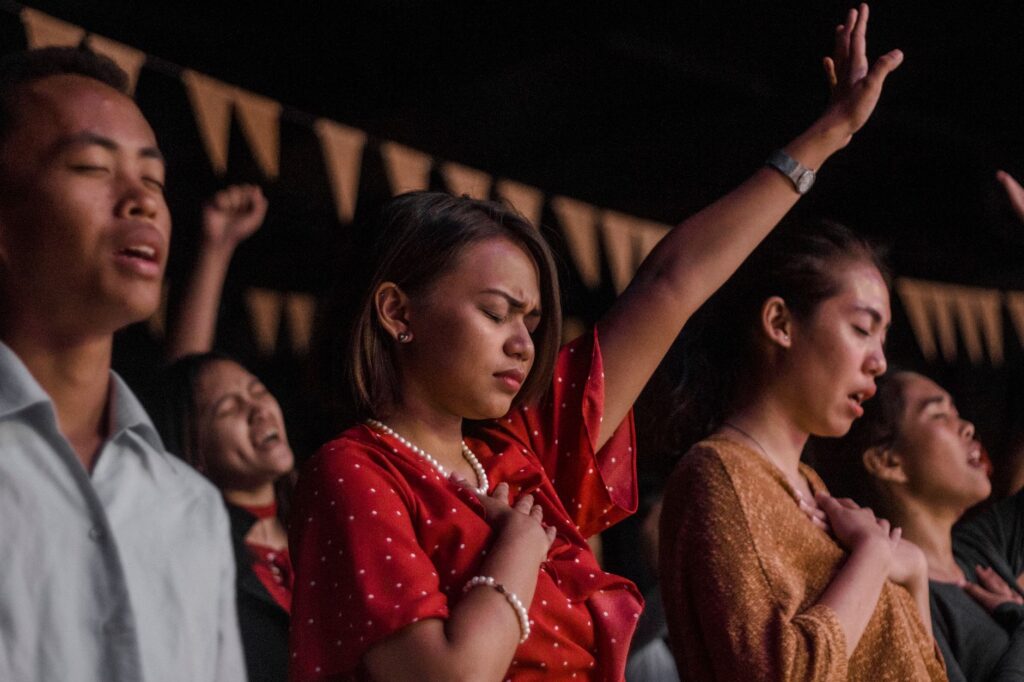
Prayer is a vital aspect of spiritual growth and is emphasized throughout Colossians. In Colossians 4:2, Paul urges, “Devote yourselves to prayer, being watchful and thankful.” This exhortation highlights the importance of consistent communication with God as a foundation for our spiritual lives. Prayer not only connects us with God but also aligns our hearts with His will.
Devotion to prayer involves more than just speaking to God; it includes listening and being attentive to His voice. This principle can profoundly affect our spiritual growth. When we approach prayer with a mindset of watchfulness, we become more aware of how God is working in our lives and in the world around us.
Consider a person who feels overwhelmed by daily responsibilities. By dedicating time to prayer, they can find clarity and peace, allowing God to guide their decisions. This intentional practice fosters a deeper relationship with God and strengthens faith.
In Colossians 1:18, Paul writes, “And he is the head of the body, the church; he is the beginning and the firstborn from among the dead, so that in everything he might have the supremacy.” This verse emphasizes the integral relationship between Christ and the Church, portraying the Church as a living body with Christ as its head. The image of the body calls us to understand our individual roles within the community of believers. Just as each part of the body has a unique function, so does each member of the Church contribute to its overall health and mission.
As believers, we are called to work together, supporting and strengthening one another. Paul elaborates on this in 1 Corinthians 12:12-27, where he highlights how every part of the body is necessary and valuable. Here are a few implications of being part of the body of Christ:
Colossians 1:19-20 states, “For God was pleased to have all his fullness dwell in him, and through him to reconcile to himself all things, whether things on earth or things in heaven, by making peace through his blood, shed on the cross.” The concept of reconciliation is central to the Christian message. Here, Paul illustrates how through Christ’s sacrifice, God restores broken relationships, both with Him and among humanity.
As the Church, we are called to participate in this ministry of reconciliation (2 Corinthians 5:18-20). This involves not just preaching forgiveness but actively working to mend relationships and promote peace. Here are some practical steps for engaging in reconciliation:


Colossians 1:9-10 emphasizes, “For this reason, since the day we heard about you, we have not stopped praying for you. We continually ask God to fill you with the knowledge of his will through all the wisdom and understanding that the Spirit gives.” This passage highlights the importance of growing in knowledge as a key aspect of Christian life. Knowledge is not merely intellectual; it involves understanding God’s will and applying it to our lives.
To experience transformation, we must seek a deep, personal relationship with God through Scripture and prayer. As we meditate on the Word, we begin to reflect Christ’s character in our daily lives. Here are ways to cultivate this transformative knowledge:
Colossians 1:13 states, “For he has rescued us from the dominion of darkness and brought us into the kingdom of the Son he loves.” This declaration serves as both a reminder and a call to action for believers. Once we were in darkness, but through Christ, we are now children of light, and we are called to live accordingly.
Living in the light involves a shift in our values, behaviors, and priorities. Ephesians 5:8-9 encourages us to live as children of light, which bears fruit in goodness, righteousness, and truth. To walk in the light, consider the following:
In Colossians 3:16, Paul writes, “Let the message of Christ dwell among you richly… singing to God with gratitude in your hearts.” This emphasizes that worship is not limited to a specific time or place; rather, it permeates every aspect of our lives. Worshiping in spirit and truth (John 4:24) involves both our inner disposition and outward expressions of love and gratitude toward God.
When worship becomes a lifestyle, it transforms mundane activities into opportunities for glorifying God. Simple acts of kindness, expressions of gratitude, and living out our faith in daily interactions can all be forms of worship. To cultivate a lifestyle of worship, consider these practices:
While personal worship is vital, the significance of gathering with other believers cannot be overstated. Colossians 3:17 encourages us to do everything in the name of the Lord Jesus, giving thanks to God the Father through him. This communal aspect of worship fosters unity and strengthens our faith.
Participating in corporate worship helps us to encourage one another, share burdens, and celebrate God’s work in our lives. Here are ways to engage in community worship:
The main message of Colossians centers on the supremacy of Christ and the implications of His authority for believers’ lives. It emphasizes living a life worthy of the Lord through faith, love, and good works.
Colossians offers practical guidance for everyday living, including how to handle relationships, approach suffering, and grow in faith through prayer and Scripture engagement.
Colossians highlights the importance of compassion, kindness, humility, and forgiveness in relationships, encouraging believers to reflect Christ’s love in their interactions.
Colossians encourages believers to view suffering through the lens of Christ’s example, reminding us to focus on eternal truths and find joy even amidst trials.
The book of Colossians is a treasure trove of spiritual wisdom and practical guidance for Christians. By exploring key Bible verses in this epistle, we gain insights into Christ’s supremacy, the importance of living a worthy life, and the power of prayer. Engaging with these teachings can profoundly impact our faith journey and help us navigate the complexities of life with grace and truth.
Weekly encouragement
Free Bible study guides, prayer help and a verse to carry through your week. No spam, unsubscribe anytime.



Join the conversation