
Faith and Trust in God
What Is The 5780Th Verse In The Bible? Discover Its Insight
Nov 8, 2026 · 12 min read
Explore the Colossians Bible Verse for encouragement and insights on living a Christ-centered life.
Key Takeaways
The book of Colossians is a profound source of encouragement for Christians striving to deepen their faith and understand the nature of their relationship with Christ. Written by the Apostle Paul, this epistle addresses the Colossian church, combating false teachings and affirming the supremacy of Christ. As we explore key verses from Colossians, we will find spiritual insights that can uplift and guide our daily lives.
Colossians is rich with theological depth and practical applications, making it an essential read for anyone seeking to grow in their faith. It reminds us of our identity in Christ and the importance of living out this identity through love and good works. Each verse offers a glimpse into the heart of Paul’s message, encouraging believers to remain steadfast in their faith amidst challenges.
In this article, we will delve into significant verses from Colossians, explore their meanings, and discuss how they can be applied to our lives. By understanding these scriptures, we can gain a clearer perspective on our journey as followers of Christ.
One of the central themes in Colossians is the supremacy of Christ, articulated beautifully in Colossians 1:15-20. These verses declare Jesus as the image of the invisible God and emphasize His role in creation. Understanding Christ’s supremacy is crucial for our faith.
Colossians 1:15 states, “He is the image of the invisible God, the firstborn over all creation.” This verse reveals that Jesus is not merely a prophet or a teacher but the very representation of God Himself. This truth reassures us that through Christ, we can know God personally and intimately.
Furthermore, in Colossians 1:17, we read, “He is before all things, and in Him all things hold together.” This verse highlights the sustaining power of Christ in our lives. In moments of uncertainty and chaos, we can find peace knowing that Christ is in control and that our lives are held together by His power.
Recognizing the supremacy of Christ challenges us to examine our priorities and the way we live. Here are some practical applications:
Life is filled with challenges, and the book of Colossians offers encouragement for those difficult moments. Colossians 1:11 states, “being strengthened with all power according to His glorious might so that you may have great endurance and patience.” This verse reassures us that we are not alone in our struggles.
When faced with trials, it’s easy to feel overwhelmed or discouraged. Yet, Paul reminds us that God provides the strength we need to endure. This verse emphasizes the importance of relying on God’s power rather than our own. It is through His might that we can navigate life’s storms with grace.
Consider a scenario where a person faces a significant life change, such as losing a job. The uncertainty and fear that accompany such a trial can be daunting. However, by leaning on the strength provided through prayer and Scripture, one can find the endurance needed to persevere and trust in God’s plan.
In times of trial, it is vital to connect with a supportive community. Here are ways to build and rely on such connections:

Colossians emphasizes the importance of unity and love within the body of Christ. In Colossians 3:14, Paul writes, “And over all these virtues put on love, which binds them all together in perfect unity.” This verse serves as a reminder that love is the foundation of Christian community.
When we approach our relationships with love, we create an environment where unity can thrive. Paul encourages believers to reflect Christ’s love in their interactions, fostering an atmosphere of acceptance and support. This is particularly vital in a world where division and strife often prevail.
Imagine a church community facing a disagreement over differing opinions. If members choose to respond with love and grace, the potential for reconciliation and deeper relationships increases. Choosing love can transform conflict into an opportunity for growth and understanding.
Building unity and love in our communities requires intentionality. Here are some steps you can take:
Colossians 3:1-3 profoundly speaks to our identity as believers. It states, “Since, then, you have been raised with Christ, set your hearts on things above, where Christ is, seated at the right hand of God. Set your minds on things above, not on earthly things.”
This passage encourages us to focus on our heavenly identity rather than our earthly circumstances. As followers of Christ, we are called to live differently, reflecting our new life. This perspective shift is essential for spiritual growth and transformation.
When we remind ourselves of our identity in Christ, we can navigate life’s challenges with hope and purpose. For instance, someone who struggles with self-worth might find reassurance in knowing that they are valued and loved by God. This realization can inspire confidence and a sense of belonging in the body of Christ.
Understanding our identity in Christ invites us to live with intentionality. Here are practical ways to embrace this truth:
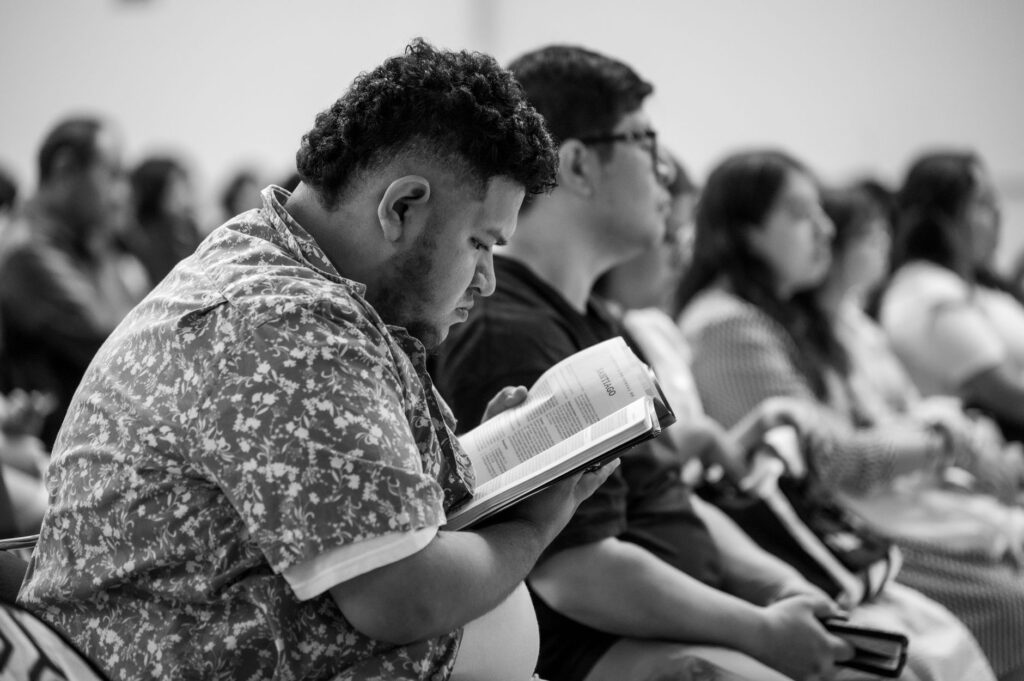
Prayer is a vital aspect of the Christian faith, particularly when it comes to finding strength and encouragement in our daily lives. Colossians 1:9-10 emphasizes the importance of intercessory prayer, as Paul writes, “For this reason, since the day we heard about you, we have not stopped praying for you. We continually ask God to fill you with the knowledge of his will through all the wisdom and understanding that the Spirit gives.” This passage highlights that prayer should not only be about our personal needs but also about lifting others up before God.
When we engage in intercessory prayer, we are actively participating in the spiritual wellness of our community. This act of devotion not only strengthens those we pray for but also deepens our own faith. As we pray for others, we experience a sense of connection and purpose, reminding us of our shared journey in faith.
In addition to praying for others, personal reflection during prayer offers an opportunity for self-discovery and growth. Colossians 3:2 encourages believers to “Set your minds on things that are above, not on things that are on earth.” This directive calls us to focus our thoughts on the eternal, which can in turn bring peace and clarity to our daily struggles.
Taking time to reflect in prayer enables us to align our priorities with God’s will. As we seek His guidance, we can ask questions like, “What areas of my life need transformation?” or “How can I better serve those around me?” This self-examination, coupled with prayer, empowers us to take actionable steps toward living a life that glorifies God.
In moments of weakness, prayer can serve as a wellspring of strength. Philippians 4:6-7 assures us, “Do not be anxious about anything, but in every situation, by prayer and petition, with thanksgiving, present your requests to God. And the peace of God, which transcends all understanding, will guard your hearts and your minds in Christ Jesus.” This promise highlights the transformative nature of prayer, which brings not only peace but also divine strength.
When we feel overwhelmed, turning to God in prayer allows us to surrender our burdens to Him. The act of laying our worries at His feet can lighten our emotional load and renew our spirits. Here are some ways to incorporate prayer into your daily life:
Colossians 3:12-14 encourages believers to embody qualities such as compassion, kindness, humility, gentleness, and patience. Living in the light of Christ means cultivating relationships that reflect these attributes. When we surround ourselves with individuals who uplift and encourage us in our walk with the Lord, we find strength and support through life’s challenges.
Godly relationships foster an environment where we can share our burdens and joys. In Ecclesiastes 4:9-10, we are reminded that “Two are better than one, because they have a good return for their labor: If either of them falls down, one can help the other up.” This highlights the necessity of companionship in our spiritual journey, as we are not meant to walk alone.
Living in the light of Christ also involves a commitment to righteousness and truth. Ephesians 5:8-9 states, “For you were once darkness, but now you are light in the Lord. Live as children of light (for the fruit of the light consists in all goodness, righteousness and truth).” This transformation is not merely a change in behavior but a complete overhaul of our inner selves.
As children of light, we are called to reflect Christ in our actions and attitudes. This means pursuing holiness and being a beacon of hope to those around us. When we embody the light of Christ, we not only grow in our faith but also attract others to the love of God.
In a world filled with darkness, it is essential to stand firm in our faith. Colossians 1:13 assures us that God “has rescued us from the dominion of darkness and brought us into the kingdom of the Son he loves.” This powerful reminder encourages us that we are not powerless against the challenges we face. Instead, we have the authority of Christ to overcome temptation and adversity.
Resisting darkness requires vigilance and a reliance on the Holy Spirit. As we navigate life, we can draw strength from Scripture and the support of fellow believers. Here are some practical ways to resist darkness:

One of the most empowering aspects of our faith is the call to share the good news of Jesus Christ. Colossians 4:5-6 exhorts us to “Be wise in the way you act toward outsiders; make the most of every opportunity. Let your conversation be always full of grace, seasoned with salt, so that you may know how to answer everyone.” This call to evangelism is not just for pastors or missionaries; it is for every believer.
Sharing our faith can be both challenging and rewarding. It requires us to step out of our comfort zones and engage with those who may not know Christ. However, when we approach evangelism with love and grace, we can plant seeds of hope that may one day lead others to a relationship with God.
Your personal story can serve as a powerful testimony of God’s faithfulness. Revelation 12:11 states, “They triumphed over him by the blood of the Lamb and by the word of their testimony; they did not love their lives so much as to shrink from death.” Sharing how God has worked in your life can inspire others to seek Him, providing encouragement in their own struggles.
When we share our testimonies, we remind ourselves and others of God’s goodness and sovereignty. This act of vulnerability not only strengthens our faith but also fosters deeper connections within the body of Christ. Consider sharing your testimony through various platforms such as social media, blogs, or local events.
The local church plays a significant role in evangelism and encouragement. Colossians 3:16 encourages us to “Let the message of Christ dwell among you richly as you teach and admonish one another with all wisdom through psalms, hymns, and songs from the Spirit, singing to God with gratitude in your hearts.” Engaging in corporate worship and fellowship strengthens our communal faith and equips us to reach out to others.
Being part of a church community provides accountability and support, helping us to grow in our faith and share it with others. Here are some ways to get involved in your church’s outreach efforts:
The main theme of Colossians is the supremacy of Christ and the importance of living in accordance with this truth. The book emphasizes understanding who Christ is and how that impacts believers’ lives.
You can apply Colossians to your daily life by focusing on the supremacy of Christ, seeking strength in trials, fostering unity and love, and embracing your identity in Him.
Love is emphasized in Colossians as it binds the Christian community together. It reflects the character of Christ and is essential for unity and harmony among believers.
Setting our minds on things above means prioritizing spiritual truths and values over earthly concerns. It encourages believers to focus on their relationship with God and eternal perspectives.
Colossians offers a wealth of encouragement and guidance for Christians seeking to deepen their faith. By exploring key verses, we learn about the supremacy of Christ, the importance of love and unity, and how to embrace our identity in Him. As we apply these truths, we can navigate life’s challenges with hope and purpose, continually reflecting the love of Christ in our lives.
Weekly encouragement
Free Bible study guides, prayer help and a verse to carry through your week. No spam, unsubscribe anytime.



Join the conversation