
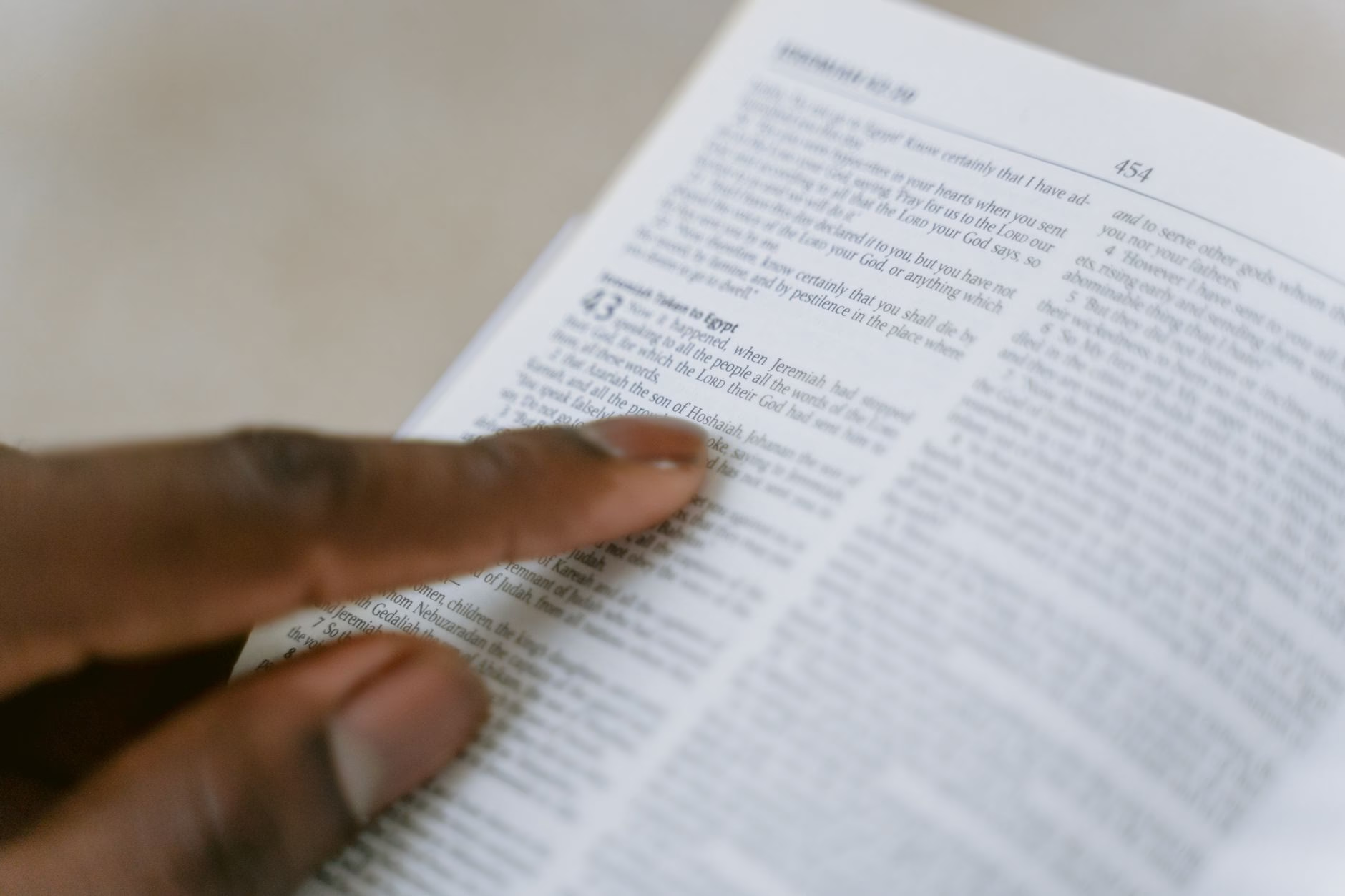
Short answer: The Bible verse urging us to 'live at peace with everyone' can be found in Romans 12:18: 'If it is possible, as far as it depends on you, live at peace with everyone.' This encourages personal responsibility in fostering harmony in our relationships.
Live at Peace with Everyone
Living in a world filled with diversity, different opinions, and contrasting lifestyles can sometimes make it challenging to maintain harmonious relationships. Yet, the Bible offers timeless guidance on how to navigate such complexities, encouraging us to “live at peace with everyone.” This call to peace isn’t just a lofty ideal; it’s a tangible goal backed by scriptural wisdom. In this blog post, we’ll explore what this phrase means, biblical references that support it, and practical steps to cultivate peace in our lives.

Understanding the Call to Peace
The Bible verse “If it is possible, as far as it depends on you, live at peace with everyone” (Romans 12:18, NIV) encapsulates the essence of how to interact with others. Here, Apostle Paul highlights two critical components:
- Personal Responsibility: The phrase “as far as it depends on you” emphasizes that peace begins with individual actions and attitudes. It’s about taking ownership of how we treat others.
- Open to Possibilities: The first part, “If it is possible,” acknowledges that while we strive for peace, it might not always be achievable. External factors often come into play, reminding us that peace is a two-way street.
Key Biblical Passages on Peace
Numerous biblical verses emphasize the importance of peace. Here are a few key scriptures that can serve as inspiration:
- Matthew 5:9: “Blessed are the peacemakers, for they will be called children of God.”
This passage underlines the high regard God has for those who actively seek to reconcile differences. - 1 Peter 3:11: “They must turn from evil and do good; they must seek peace and pursue it.”
Here, the focus is on the active pursuit of peace, rather than passively waiting for it to happen. - Colossians 3:15: “Let the peace of Christ rule in your hearts, since as members of one body you were called to peace. And be thankful.”
This verse highlights the internal aspect of peace, suggesting that it starts with a heart centered on Christ.
Cultivating Peace in Everyday Life
Achieving peace with everyone may seem daunting, but incorporating certain practices into your daily life can facilitate this harmony. Here are some practical steps:
1. Practice Active Listening
- What It Is: Give others your full attention. Listen without intending to respond immediately.
- Benefits: Helps to understand different perspectives and reduces misunderstandings.
2. Show Empathy and Understanding
- What It Is: Aim to understand why someone feels a certain way or acts a particular way.
- Benefits: Empathy fosters connection and can diffuse tension.
3. Use Kind and Respectful Language
- What It Is: Choose words carefully to communicate positively, even during disagreements.
- Benefits: Reduces the likelihood of conflict and encourages constructive dialogue.
4. Set Healthy Boundaries
- What It Is: Know when to walk away from toxic situations or relationships that hinder peace.
- Benefits: Protects your mental and emotional health while still striving for peace where possible.
5. Be Willing to Forgive
- What It Is: Let go of grudges and past mistakes, whether yours or others’.
- Benefits: Forgiveness is liberating and paves the way for peaceful relationships.
Community and Connection
Living at peace with everyone isn’t just a personal endeavor; it extends to our communities—families, workplaces, and neighborhoods.
Building a Peaceful Community
- Engagement: Participate in community events that foster unity and collaboration.
- Dialogue: Encourage open discussions about differences and viewpoints.
- Service: Volunteer for local initiatives to build goodwill among diverse members.
Role of Faith in Community Peace
Faith communities can serve as catalysts for peace:
- Mediation: Encourage conflict resolution sessions within religious settings.
- Outreach: Launch initiatives aimed at healing divisions within the local community.
Conclusion
The biblical counsel to “live at peace with everyone” serves as a guiding principle for our interactions and relationships. While conflicts and differences are inevitable, our response to them can create a transformative impact. By actively listening, showing empathy, using respectful language, setting boundaries, and practicing forgiveness, we pave the way for a more harmonious existence—not just for ourselves, but for everyone around us.
Incorporate these principles into your life and watch as the ripples of peace extend beyond your immediate circle, creating a wave of unity in your community. Embrace the challenge, and remember, peace is not merely an absence of conflict, but a proactive endeavor that we can all strive for, one relationship at a time.
Key Takeaways
- Peace starts with personal responsibility and individual actions.
- Blessed are the peacemakers, as seen in Matthew 5:9.
- Active listening and empathy are key to resolving conflicts.
- Forgiveness is essential for nurturing peaceful relationships.
Practical Steps to Cultivate Peace
Incorporate active listening, empathy, and respectful language into your daily interactions. These practices can significantly reduce misunderstandings and enhance relationships.
Frequently Asked Questions
What does Romans 12:18 mean?
Romans 12:18 emphasizes personal responsibility in fostering peace, suggesting that we should strive for peace as much as possible.
What are examples of biblical peacemaking?
Being a peacemaker includes active listening, showing empathy, and resolving conflicts as encouraged in Matthew 5:9.
Why is forgiveness important for peace?
Forgiveness frees us from past grievances, allowing relationships to heal and flourish.
How can communities promote peace?
Communities can foster peace through engagement, open dialogue, and collective service efforts.
The Bottom Line
Striving to live at peace with others enriches our lives and the lives around us. By taking actionable steps toward harmony, we reflect the love and grace that God extends to us. Let's embrace this calling in every interaction.