Bible Verse About Harming Children: Understanding God’s Heart
Explore the Bible verse about harming children and discover God's heart for the vulnerable, along with practical guidance for protection and love.
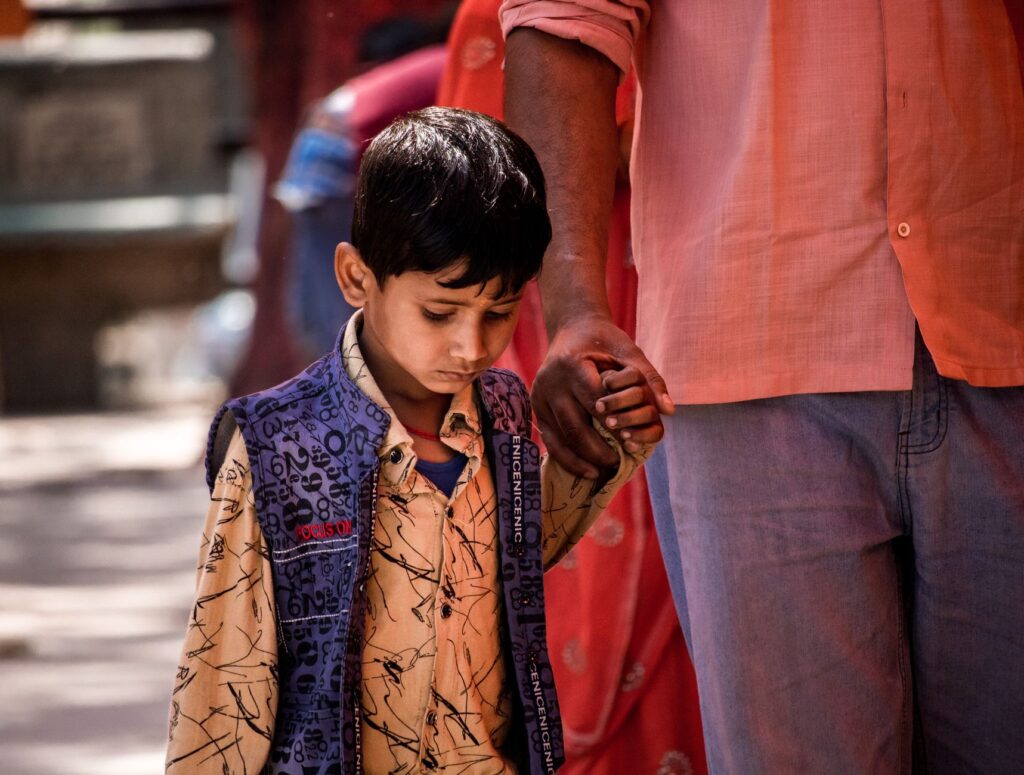
Key Takeaways
- God values children and their well-being.
- Scripture warns against causing harm to the innocent.
- Faithful parenting involves protecting children.
- Seeking God's guidance is essential for nurturing relationships.
The topic of harming children is one that resonates deeply within the heart of God and His followers. Throughout Scripture, the value of children is emphasized, and the call to protect them is paramount. In an age where the innocence of youth can be threatened by various societal challenges, understanding what the Bible teaches about harming children is crucial for every believer. This article will explore key verses, provide context, and discuss how Christians can embody the protective spirit that God desires for His children.
From the very beginning, children are seen as a gift from God. Psalm 127:3 reminds us, “Children are a heritage from the Lord, offspring a reward from him.” This foundational understanding shapes not only how we view children but also how we are called to treat them. As we journey through this discussion, we will find encouragement and guidance in the Word of God.
Engaging with the topic of children’s wellbeing also often leads us to reflect on our roles as parents, guardians, and mentors. Being a part of a child’s life is a significant responsibility, and understanding God’s expectations can empower us to act in ways that reflect His love and care.
Scriptural Foundations on Children
Understanding God’s view on harming children begins with recognizing the joy and significance He places on their existence. In the Gospel of Matthew, Jesus sets a powerful example for us regarding children: “Let the little children come to me, and do not hinder them, for to such belongs the kingdom of heaven” (Matthew 19:14). This verse not only emphasizes the importance of children in God’s eyes but also challenges us to create an environment where they feel welcomed and safe.
Moreover, Proverbs 22:6 instructs us, “Train up a child in the way he should go; even when he is old he will not depart from it.” This verse serves as a reminder of our responsibility to guide and nurture children, ensuring they grow in wisdom and love. Harm can come in many forms, including neglect, physical abuse, and emotional trauma. By fostering a nurturing environment, we can help children flourish in their faith and identity.
In the Old Testament, the consequences for harming children are made abundantly clear. Deuteronomy 27:25 states, “Cursed be anyone who takes a bribe to shed innocent blood.” This clarion call highlights the serious nature of leading children astray or causing them harm. God desires justice for the innocent, and as His followers, we are called to uphold that justice in our communities.
The Heart of God Towards Children
God’s heart towards children is one of love, protection, and nurturing. The Bible portrays Him as a good and caring Father who desires the best for His children. In Matthew 18:10, Jesus says, “See that you do not despise one of these little ones. For I tell you that in heaven their angels always see the face of my Father who is in heaven.” This verse powerfully illustrates that God watches over children and has a special place for them in His kingdom.
Additionally, we see God’s protective nature in Psalm 91:11-12: “For he will command his angels concerning you to guard you in all your ways. On their hands they will bear you up, lest you strike your foot against a stone.” This assurance of protection extends to children, reminding us to be vigilant in our care for them. It is our duty to be their advocates and ensure that they are shielded from harm.
Understanding God’s heart also encourages us to be proactive in creating safe environments for children. This includes not only our homes but also our churches and communities. Engaging in outreach programs, advocating for children’s rights, and supporting families in need are all tangible ways we can reflect God’s love and care.

Practical Applications for Protecting Children
As believers, we are called to act in ways that honor God’s commandments regarding children. Here are some practical steps we can take to protect and nurture the children in our lives:
- Engage in Open Communication: Foster an environment where children feel safe to express their feelings and concerns. Regularly check in with them about their experiences, both at home and outside.
- Educate About Boundaries: Teach children about personal boundaries and the importance of saying no. Empower them to recognize unsafe situations and to seek help when needed.
- Be a Positive Role Model: Children learn by observing. Exhibit behaviors of kindness, respect, and love in your interactions, demonstrating how to treat others.
- Involve the Church Community: Collaborate with your church to create programs that support and educate families on child safety and welfare.
- Advocate for Justice: Stand against injustices that threaten children, whether through volunteering, donating, or simply raising awareness.
Incorporating these practices into our daily lives not only fulfills our responsibility as guardians but also aligns us with God’s heart for the vulnerable.
The Role of Parents and Guardians
Parents and guardians have a unique role in shaping the lives of children. The Bible provides clear guidance on how to approach this sacred duty. Ephesians 6:4 instructs fathers (and, by extension, all caregivers) to bring children up in the training and admonition of the Lord. This means actively participating in their spiritual and moral development.
Creating a home environment that reflects God’s values includes teaching children to love, respect, and care for others. An illustration of this can be seen in a family where the parents prioritize regular family devotions. Each evening, they gather to read Scripture and pray together, fostering a sense of unity and spiritual growth. This practice not only nurtures the children’s faith but also reinforces their understanding of God’s love and protection.
Furthermore, it is vital to establish routines that provide stability and security. Children thrive on predictability, and maintaining regular schedules can help them feel safe. This includes consistent meal times, bedtimes, and family activities, which contribute to a sense of belonging and love.
Understanding Consequences of Harming Children
The Bible clearly communicates the serious consequences of harming children. In Matthew 18:6, Jesus warns, “But whoever causes one of these little ones who believe in me to sin, it would be better for him to have a great millstone fastened around his neck and to be drowned in the depth of the sea.” This stark warning underscores the gravity of leading children astray and emphasizes the need for accountability.
Harming children can take various forms, including physical abuse, emotional neglect, and spiritual harm. Each of these can have lasting effects on a child’s development and well-being. Research shows that children who experience trauma may struggle with mental health issues, difficulty forming relationships, and feelings of worthlessness.
As Christians, we must take these warnings seriously and actively work to protect children from all forms of harm. This may involve advocating for policy changes, supporting organizations dedicated to child welfare, or simply being aware of the signs of abuse and neglect in our communities.

Encouraging a Culture of Love and Safety
Creating a culture of love and safety for children requires a collective effort. It is not solely the responsibility of parents but of the entire community. Churches, schools, and local organizations can work together to foster an environment where children are cherished and protected.
One example of this is a church hosting a child safety seminar. This event could educate parents and caregivers about recognizing signs of abuse, understanding legal rights, and knowing how to report concerns. Such initiatives empower the community to stand against harm and support one another in raising children.
Additionally, it is essential to promote positive interactions among children. Encouraging friendships, teamwork, and acts of kindness can help children learn compassion and empathy. When children see adults modeling these behaviors, they are more likely to emulate them, creating a ripple effect of love and support.
The Importance of Community in Protecting Children
Building a Supportive Network
In the journey of raising children, the role of community cannot be overstated. As believers, we are called to support one another in love and unity. Ecclesiastes 4:9-10 (NIV) highlights this need: “Two are better than one, because they have a good return for their labor: If either of them falls down, one can help the other up.” This principle is especially relevant when it comes to protecting children. A strong community provides a network of support that can help identify and address harmful situations before they escalate.
Communities can come together in various ways to ensure children are safe and nurtured. Here are some practical steps to build this supportive network:
- Organize regular gatherings for parents and caregivers to share experiences and resources.
- Create mentorship programs where older members of the church can guide younger families.
- Establish child protection protocols within community groups to address concerns promptly.
Engaging in Prayer and Spiritual Warfare
Prayer is a powerful tool in safeguarding children. Ephesians 6:12 (NIV) reminds us, “For our struggle is not against flesh and blood, but against the rulers, against the authorities, against the powers of this dark world and against the spiritual forces of evil in the heavenly realms.” Engaging in prayer not only strengthens our resolve but also invites God’s intervention in our communities.
Prayer groups focused on children can be established to cover specific concerns, such as safety in schools, emotional well-being, and protection from abuse. Here are some prayer focuses that could strengthen community efforts:
- Pray for wisdom for parents and guardians in decision-making.
- Intercede for children facing bullying or emotional distress.
- Seek God’s protection over vulnerable children in various settings.
Educational Initiatives for Awareness
Education is essential in equipping both adults and children with the knowledge needed to recognize and prevent harm. Proverbs 1:5 (NIV) states, “Let the wise listen and add to their learning, and let the discerning get guidance.” Workshops and seminars can be organized within the church to educate families on identifying signs of abuse and understanding child psychology.
These initiatives can empower parents and children alike. Here are some topics that could be covered in educational sessions:
- Understanding the signs of physical and emotional abuse.
- Strategies for healthy communication between parents and children.
- Resources available for families facing crises.

God’s Justice and Mercy in Addressing Harm
Understanding Divine Justice
God’s justice is a core aspect of His character. Throughout Scripture, we see God expressing deep concern for the vulnerable, including children. Psalm 82:3 (NIV) commands, “Defend the weak and the fatherless; uphold the cause of the poor and the oppressed.” This verse underscores the responsibility that we have, as followers of Christ, to advocate for those who cannot advocate for themselves.
It is essential to understand that God does not ignore the suffering of children. He is a just God who will hold accountable those who harm the innocent. Hebrews 10:30 (NIV) states, “For we know Him who said, ‘It is mine to avenge; I will repay,’ and again, ‘The Lord will judge His people.’” Knowing this can provide comfort and encourage action in the face of injustice.
The Role of Forgiveness in Healing
While justice is vital, the aspect of forgiveness must also be considered in the aftermath of harm. Forgiveness does not diminish the severity of wrongs committed but allows for healing and restoration. Colossians 3:13 (NIV) teaches us, “Bear with each other and forgive one another if any of you has a grievance against someone. Forgive as the Lord forgave you.” This call to forgive is crucial for those who have been harmed and for those who seek to move forward.
As a community, we can create spaces where healing can occur through counseling and support groups, allowing individuals and families to process their pain and seek God’s healing. Here are some ways to promote forgiveness and healing:
- Facilitate support groups for survivors of abuse.
- Encourage open dialogue about emotional health and the journey toward forgiveness.
- Provide access to professional counseling services within the church.
Embracing God’s Mercy
In addition to justice, God’s mercy is a powerful theme in Scripture. Lamentations 3:22-23 (NIV) declares, “Because of the Lord’s great love we are not consumed, for his compassions never fail. They are new every morning; great is your faithfulness.” This verse reminds us that even in the face of wrongdoing, God offers grace and renewal.
As we seek to protect children, we must also remember to extend mercy to those who have erred, understanding that redemption is available to all. This approach can foster a culture of grace where healing can begin. Here are ways to invite God’s mercy into our communities:
- Encourage restorative justice practices that focus on healing rather than punishment.
- Offer programs that educate on the importance of grace and second chances.
- Model mercy in our interactions, demonstrating God’s love to everyone involved.
Scriptural Guidance for Advocacy
Becoming Voices for the Voiceless
As Christians, advocating for children is a sacred duty. Proverbs 31:8-9 (NIV) exhorts us, “Speak up for those who cannot speak for themselves, for the rights of all who are destitute. Speak up and judge fairly; defend the rights of the poor and needy.” This call to action emphasizes the need for advocacy within our communities and beyond.
By raising awareness and speaking out against injustices faced by children, we can be instruments of change. Here are practical steps to become effective advocates:
- Engage with local organizations that focus on child welfare.
- Participate in awareness campaigns that shine a light on child abuse and neglect.
- Use your voice in social media to educate others about the needs of vulnerable children.
Mobilizing Resources for Impact
Beyond advocacy, mobilizing resources to support children in need is essential. James 2:15-16 (NIV) states, “Suppose a brother or sister is without clothes and daily food. If one of you says to them, ‘Go in peace; keep warm and well fed,’ but does nothing about their physical needs, what good is it?” This passage challenges us to take tangible actions that meet the needs of children facing hardship.
Churches and communities can come together to provide resources such as food, clothing, and educational materials. Here are some ways to mobilize resources effectively:
- Organize donation drives for local shelters and schools.
- Collaborate with other organizations to pool resources for larger initiatives.
- Encourage volunteerism within the congregation to support programs for children.
Frequently Asked Questions
What does the Bible say about harming children?
The Bible emphasizes the importance of children and warns against causing them harm. Key verses like Matthew 18:6 highlight the severity of leading children astray.
How can I protect my children from harm?
Protecting children involves open communication, teaching them about boundaries, and being a positive role model. Actively engaging in their lives helps them feel secure.
What is the role of the church in protecting children?
The church plays a vital role by educating families, providing resources for child safety, and advocating for children’s rights within the community.
How can I support children’s well-being in my community?
Support children’s well-being by volunteering with local organizations, participating in awareness campaigns, and fostering a culture of kindness and respect.
The Bottom Line
Understanding the Bible verse about harming children reveals God’s deep concern for their well-being. As believers, we are called to protect, nurture, and love the children in our lives. By embodying God’s heart for the vulnerable, we can create safe and nurturing environments that reflect His love and grace. Let us strive to be champions for the innocent and ensure that they grow up knowing their value in God’s eyes.
Keep reading
More Children & Youth →


Weekly encouragement
Grow in the Word, one email at a time.
Free Bible study guides, prayer help and a verse to carry through your week. No spam, unsubscribe anytime.
Join the conversation