
Faith and Trust in God
Verses About The Heart In The Bible: Insights and Encouragement
Nov 7, 2026 · 13 min read
Explore the Bible verse about baptism of a child and understand its significance and meaning in the life of a believer.
Key Takeaways
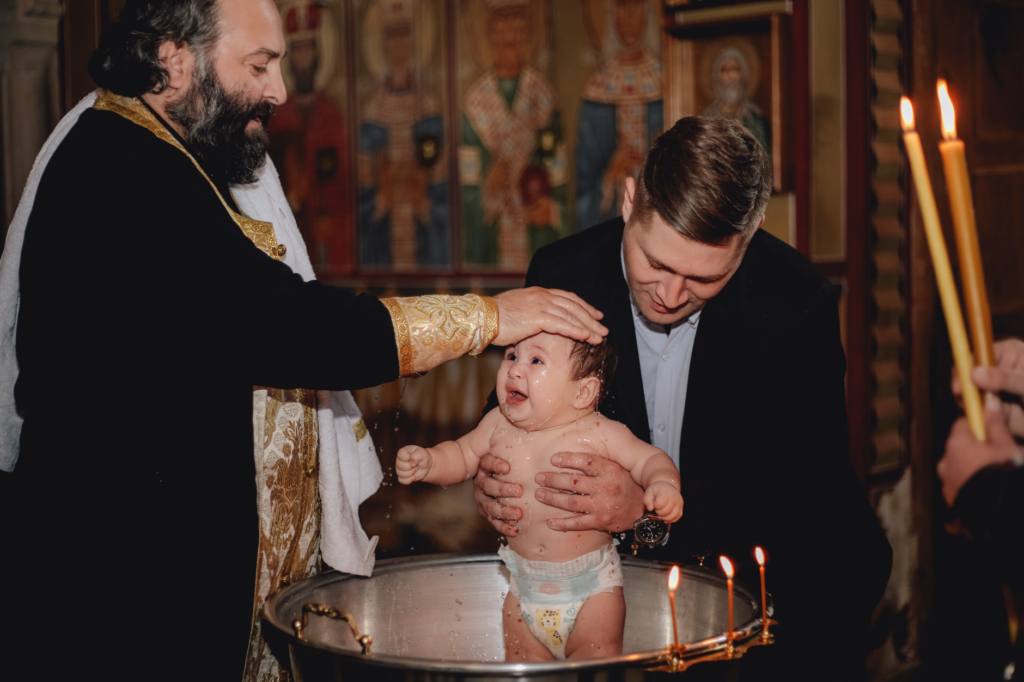
Baptism is a foundational sacrament in Christianity, symbolizing the believer’s faith and commitment to follow Christ. It serves as an outward sign of an inward change, marking the beginning of a new life in Christ. For many families, the question of whether to baptize their children is an important one, loaded with spiritual significance and tradition.
Throughout the New Testament, we see numerous instances where individuals were baptized, often alongside a declaration of faith. However, the practice of baptizing children has sparked various interpretations within the Christian community. This article aims to explore the biblical basis for child baptism, relevant scripture, and the importance it holds for families today.
As we embark on this journey, it is vital to approach the subject with a spirit of grace and humility, acknowledging the diversity of beliefs among Christians regarding baptism.
The act of baptism is deeply rooted in Scripture. In the Great Commission, Jesus instructs His followers to make disciples of all nations, baptizing them in the name of the Father, the Son, and the Holy Spirit (Matthew 28:19). This command not only underscores the significance of baptism but also highlights its role in the process of discipleship.
Furthermore, the book of Acts records numerous instances of baptism following a profession of faith. For example, in Acts 2:38, Peter urges the crowd to repent and be baptized in the name of Jesus Christ for the forgiveness of their sins. This passage emphasizes the connection between repentance and baptism, a theme that resonates throughout the New Testament.
While the Bible does not explicitly mention infant baptism, several passages, such as Acts 16:15 and Acts 16:33, refer to entire households being baptized, suggesting that children were included in this rite. This practice is rooted in the understanding that faith can exist in the context of a family, where parents nurture their children’s spiritual growth.
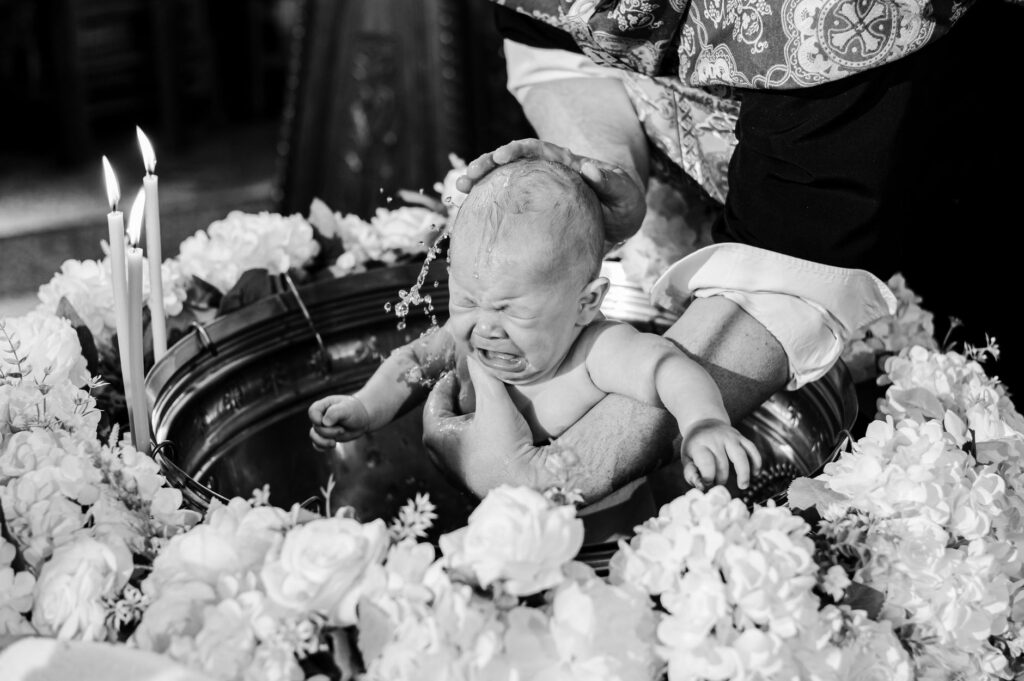
Baptism serves as a public declaration of faith, a rite of passage that signifies a commitment to God. For children, this sacrament can be seen as an initiation into a life of faith and community. When parents choose to baptize their children, they are making a statement about their desire for their children to grow up in a faith-filled environment.
Additionally, baptism is often viewed as a means of grace, a moment when God’s love and acceptance are bestowed upon the individual. In Ephesians 2:8-9, Paul reminds us that it is by grace we have been saved through faith. This grace is not limited by age; therefore, many Christians believe that children, too, can receive this gift through baptism.
The act of baptizing a child can also foster a sense of belonging within the church community. It signifies that the child is welcomed into the family of believers, surrounded by a supportive network of faith. This communal aspect is vital, as it encourages the church to take an active role in the spiritual development of the child.
Christian denominations vary in their understanding and practice of baptism for children. Some traditions, such as Catholicism and many branches of Protestantism, support infant baptism, viewing it as an essential sacrament that removes original sin and initiates the child into the faith community.
In contrast, other denominations, such as Baptists and many Evangelical churches, advocate for believer’s baptism, where individuals are baptized only after making a personal profession of faith. This perspective emphasizes the importance of conscious belief and personal commitment to Christ, often deeming infant baptism as lacking biblical foundation.
Despite these differences, it is essential to approach the topic of baptism with respect for varying traditions. Each perspective is rooted in a desire to honor God and nurture the faith of individuals, be they infants or adults.
Parents play a crucial role in the baptism of their children, as their commitment to raising their children in the faith is a significant aspect of the sacrament. When parents choose to baptize their child, they are making a promise to guide and nurture their child’s spiritual journey.
In Deuteronomy 6:6-7, parents are instructed to teach their children about God’s commandments, instilling faith from an early age. This responsibility extends beyond the act of baptism, as parents are called to model a life of faith, demonstrating love, grace, and obedience to God.
Moreover, many churches involve the congregation in the baptism ceremony, encouraging them to support the family in their spiritual commitment. This communal aspect reinforces the idea that faith is not just an individual journey but a shared experience among believers.
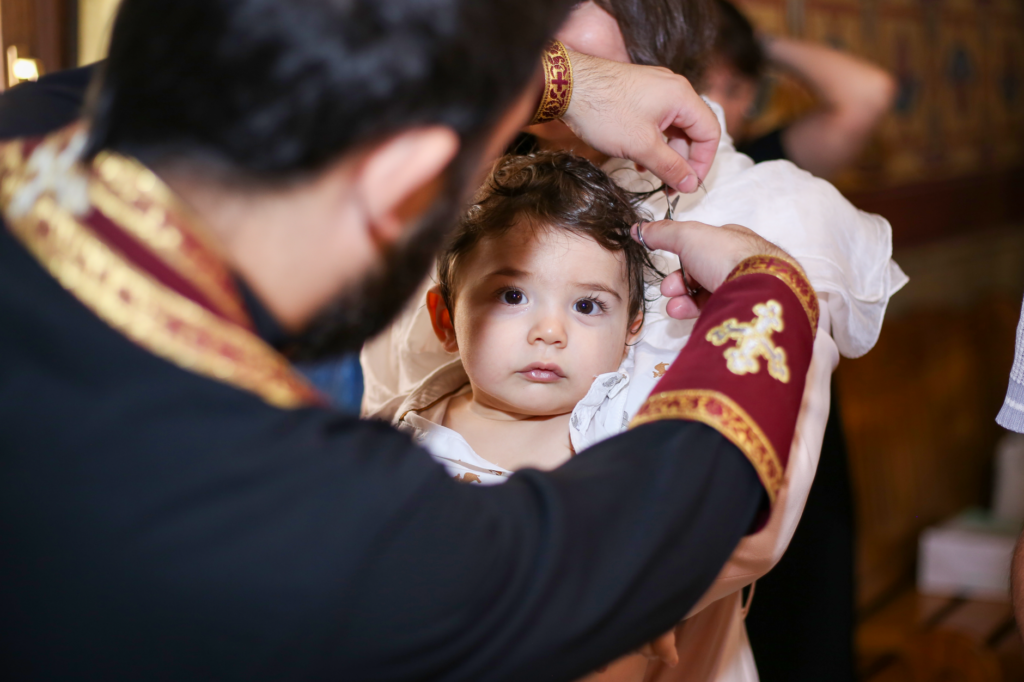
Baptism is often celebrated as a joyous occasion in the church. It marks not only the individual’s commitment to Christ but also serves as a reminder to the church of its mission to nurture and support new believers. Churches may hold special services for baptisms, creating a festive atmosphere that recognizes the significance of the sacrament.
During these celebrations, congregants may participate through songs, prayers, and testimonies, affirming their support for the newly baptized. This communal involvement reinforces the idea that baptism is a shared commitment, not just between the individual and God, but also among the community of faith.
In addition to the ceremony itself, many families choose to commemorate the occasion with a gathering, inviting friends and relatives to celebrate the milestone. This communal celebration can serve as a powerful witness to the importance of faith in the family and the broader community.
For parents contemplating baptism for their child, several practical steps can help guide the decision-making process:
Understanding the practice of baptism in the early Church provides valuable insights into its significance for children today. The early Christians viewed baptism as essential for all believers, as seen in Acts 2:38-39, where Peter urges, ‘Repent and be baptized, every one of you, in the name of Jesus Christ for the forgiveness of your sins. And you will receive the gift of the Holy Spirit. The promise is for you and your children and for all who are far off, for all whom the Lord our God will call.’
This passage indicates that the promise of salvation and the accompanying sacrament of baptism were extended to children as part of the covenant community. The early Church often practiced household baptisms, which included infants, as exemplified in Acts 16:15, where Lydia and her household were baptized after her conversion. Such practices highlight the communal aspect of faith and the inclusion of children in the life of the Church.
To fully grasp the significance of baptism for children, it is essential to consider the Jewish roots of this sacrament. In Jewish tradition, rituals of purification and initiation are deeply embedded, such as the rite of circumcision, which was a sign of the covenant between God and Abraham (Genesis 17:10-14). This practice was performed on the eighth day, symbolizing an early commitment to God.
Similarly, baptism can be seen as a new covenant sign that welcomes children into God’s family. Colossians 2:11-12 compares circumcision to baptism, stating, ‘In him you were also circumcised, in the putting off of the sinful nature, not with a circumcision done by the hands of men but with the circumcision done by Christ, having been buried with him in baptism and raised with him through your faith in the power of God, who raised him from the dead.’ This connection emphasizes that baptism is a continuation of God’s covenant with His people, now including children as heirs.
The understanding of baptism has evolved throughout church history, leading to various theological interpretations. In the early centuries of Christianity, infant baptism was widely accepted, as theologians like Augustine argued for its necessity in removing original sin. This view is rooted in Romans 5:12, which states, ‘Therefore, just as sin entered the world through one man, and death through sin, and in this way death came to all men, because all sinned.’
As the Reformation emerged, figures like Martin Luther and John Calvin reaffirmed the practice of infant baptism while emphasizing God’s grace. They argued that baptism is not merely a human act but a divine gift. The ongoing discussion regarding the age of baptism continues to reflect a rich tapestry of theological beliefs.
While the act of baptism itself is vital, the role of faith is equally significant in understanding its meaning for children. In Mark 10:14, Jesus states, ‘Let the little children come to me, and do not hinder them, for the kingdom of God belongs to such as these.’ This verse underscores the inherent value and spiritual capacity of children, suggesting that even infants should be welcomed into the faith community.
Parents play a crucial role in nurturing faith in their children. Even though infants cannot express faith verbally, the act of baptism signifies their inclusion in God’s covenant. In Deuteronomy 6:6-7, parents are instructed to teach their children about God’s commandments continually. This responsibility highlights the importance of creating an environment where faith can flourish.
Baptism is just the beginning of a lifelong journey in faith for children. As they grow, it is essential to nurture their understanding of God and their faith. Ephesians 6:4 encourages parents, ‘Fathers, do not exasperate your children; instead, bring them up in the training and instruction of the Lord.’ This guidance emphasizes the importance of intentional discipleship.
As children grow, they will begin to comprehend the significance of their baptism more fully. It is essential for parents to engage them in conversations about faith, helping them to internalize their identity as baptized members of God’s family.
The Church community plays a vital role in supporting families and fostering faith in children. In 1 Corinthians 12:12-14, Paul illustrates how the Church functions as one body with many parts, emphasizing the importance of each member. Children, as members of this body, should feel valued and included.
Church programs, such as Sunday school and youth groups, provide opportunities for spiritual growth and community engagement. Hebrews 10:24-25 encourages believers to ‘consider how we may spur one another on toward love and good deeds, not giving up meeting together, as some are in the habit of doing, but encouraging one another.’ Such gatherings reinforce the importance of faith and belonging in the lives of young believers.
Baptism represents a profound transformation, symbolizing the believer’s new life in Christ. Romans 6:4 teaches, ‘We were therefore buried with him through baptism into death in order that, just as Christ was raised from the dead through the glory of the Father, we too may live a new life.’ This verse illustrates that baptism signifies a spiritual rebirth, an essential theme for children who are baptized into the faith.
For parents, understanding baptism as a symbol of new life can foster a sense of hope and purpose for their children. They can celebrate the new beginning that baptism represents, encouraging their children to embrace their identity in Christ. Colossians 3:1-2 also reminds us, ‘Since, then, you have been raised with Christ, set your hearts on things above, where Christ is, seated at the right hand of God. Set your minds on things above, not on earthly things.’
The Holy Spirit plays an integral role in the baptismal process, acting as a guide and comforter for believers. In Acts 2:38, Peter emphasizes the gift of the Holy Spirit that accompanies baptism, stating, ‘And you will receive the gift of the Holy Spirit.’ This promise is not limited to adults but extends to children as well, reinforcing their inclusion in the life of the Church.
Parents can teach their children about the Holy Spirit’s presence in their lives. John 14:26 describes the Holy Spirit as ‘the Counselor, the Holy Spirit, whom the Father will send in my name, will teach you all things and will remind you of everything I have said to you.’ This understanding helps children recognize the active work of the Holy Spirit in their spiritual journey.
Baptism is not only a personal act but also a call to a lifelong commitment to discipleship. Matthew 28:19-20, known as the Great Commission, instructs believers to ‘go therefore and make disciples of all nations, baptizing them in the name of the Father and of the Son and of the Holy Spirit, teaching them to observe all that I have commanded you.’ This command emphasizes the importance of nurturing faith and obedience to God’s Word.
As parents and the Church community support children in their spiritual growth, baptism serves as a vital starting point for discipleship, inviting them to explore their faith deeply and to live out their calling in Christ.
While the Bible does not explicitly command infant baptism, many passages suggest that children can be included in the practice, as seen in instances of household baptisms.
Baptism is an important step in the faith journey but is generally understood as a sign of faith rather than a requirement for salvation. Ephesians 2:8-9 emphasizes that we are saved by grace through faith, not by works.
To prepare your child for baptism, explain its significance, involve them in the decision-making process, and encourage their understanding of faith in a supportive and nurturing environment.
The church plays a vital role in baptism by providing support, guidance, and community for the newly baptized, emphasizing the importance of faith within a communal context.
Baptism is a significant event in the life of a believer, symbolizing commitment to faith and community. While interpretations of child baptism may vary among Christian traditions, the underlying message remains the same: baptism is an outward expression of an inward faith. As parents consider the baptism of their children, it is essential to approach the subject with prayerful reflection, seeking guidance from Scripture and the church community.
Weekly encouragement
Free Bible study guides, prayer help and a verse to carry through your week. No spam, unsubscribe anytime.



Join the conversation