
Bible Verses by Topic
What Are The Shortest Verses In The Bible? Discover Their Meaning
Nov 8, 2026 · 13 min read
Discover Bible verses about corruption kjv that provide insights and guidance for living with integrity and fighting against injustice in society.
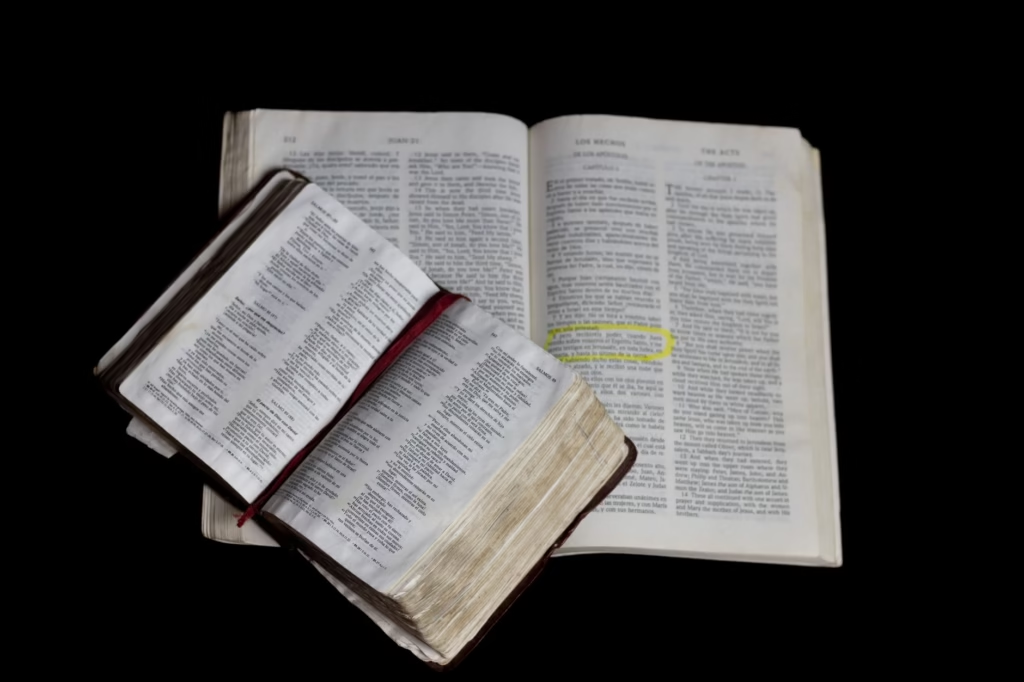
Short answer: Bible verses about corruption include Proverbs 29:4, which warns against accepting bribes, and Micah 7:3, which illustrates the prevalence of injustice in society. These verses guide us in combating corruption with integrity and righteousness.
Corruption today is an evident scourge that impacts every facet of society, from politics to business and even community relationships. But did you know that the Bible, specifically the King James Version (KJV), offers timeless insights into understanding and combating corruption? Exploring these Biblical teachings may provide both spiritual guidance and practical wisdom for addressing corruption in our world.
The Bible has much to say about moral and ethical living, and it provides clear warnings and guidance concerning the pitfalls of corruption. Here are some Bible verses from the KJV that address the issue of corruption:
Proverbs 29:4: “The king by judgment establisheth the land: but he that receiveth gifts overthroweth it.”
Micah 7:3: “That they may do evil with both hands earnestly, the prince asketh, and the judge asketh for a reward; and the great man, he uttereth his mischievous desire: so they wrap it up.”
Psalm 15:1-5: “Lord, who shall abide in thy tabernacle? who shall dwell in thy holy hill? […] He that putteth not out his money to usury, nor taketh reward against the innocent. He that doeth these things shall never be moved.”
The Bible doesn't just highlight instances of corruption; it also warns of its dire consequences. Understanding these repercussions can motivate individuals and communities to strive for ethical living:
Spiritual Consequences: Corruption distances individuals from God. The repeated admonitions against deceit and bribery establish that such actions lead to spiritual estrangement, diminishing one's relationship with the divine.
Societal Collapse: Verses like Proverbs 29:4 point to social and political decay as a result of corrupt practices. When leaders engage in corruption, it undermines public trust and leads to societal instability.
Personal Downfall: The Bible often links corruption with personal downfall, illustrating how deceit ultimately leads to the ruin of the perpetrator. For instance, Proverbs 11:3 says, “The integrity of the upright shall guide them: but the perverseness of transgressors shall destroy them.”
The Bible not only warns against corruption but also offers solutions to foster integrity and righteousness. Below are some ways individuals and communities can embrace ethical practices:
Pursue Righteousness: Embrace the teachings of passages like Psalm 15 to live a life that honors God and others. Prioritize honest dealings and stand firm against any form of deceit.
Seek Justice and Kindness: Micah 6:8 states, “He hath shewed thee, O man, what is good; and what doth the Lord require of thee, but to do justly, and to love mercy, and to walk humbly with thy God?” This verse encourages an active engagement in justice and compassion.
Lead by Example: Those in leadership positions are called to be examples of integrity. As seen in Proverbs 29:4, righteous leadership can establish a stable and trusting society, acting as a deterrent to corruption.
Corruption may seem like an inevitable part of life in today's world, but the Bible offers profound wisdom and guidance that can help individuals and communities combat this issue. By embracing integrity, pursuing justice, and seeking to live according to the principles laid out in Scripture, we can work towards eradicating corruption and fostering a more just and equitable society. As these verses remind us, the path to a righteous life is paved with honesty, integrity, and a steadfast commitment to justice.
Engage actively with these biblical teachings, and strive to implement them in your personal and professional life. The transformation of a single heart can ripple outwards, impacting families, communities, and ultimately, the world.
Live by the principles found in Scripture, prioritizing honesty and just dealings in every aspect of life. This commitment can lead to positive change in both personal relationships and society as a whole.
What does Proverbs 29:4 say about corruption?
Proverbs 29:4 states, 'The king by judgment establisheth the land: but he that receiveth gifts overthroweth it.' This highlights the dangers of accepting bribes.
How does Micah 7:3 describe corruption?
Micah 7:3 depicts a society where leaders and influential individuals engage in evil for personal gain, showing the pervasive nature of corruption.
What are the consequences of corruption according to the Bible?
Corruption leads to spiritual estrangement, societal instability, and personal downfall, as outlined in various scriptures like Proverbs 11:3.
How can I combat corruption in my life?
Embrace integrity, seek justice, and strive to live according to Biblical teachings to promote an ethical and honest life.
Corruption can feel overwhelming, but by turning to Scripture for guidance, we can find strength to resist it. Living out the principles of integrity and justice can inspire those around us and contribute to a better community.
Weekly encouragement
Free Bible study guides, prayer help and a verse to carry through your week. No spam, unsubscribe anytime.


Join the conversation