Faith and Trust in God
Exploring the Quran and Bible Same Verses: Key Insights
Nov 7, 2026 · 12 min read
Discover how reading the Bible without chapters and verses can enhance your understanding and deepen your spiritual journey.

Key Takeaways
The Bible is a profound collection of texts that has guided millions for centuries. Its teachings and narratives hold transformative power. Yet, many readers find themselves hindered by the structure of chapters and verses. This segmentation, while useful for reference, can sometimes disrupt the flow and intent of the biblical message. Engaging with the Bible in a format without these divisions can lead to a richer, more immersive experience.
In this article, we will explore the benefits and methods of reading the Bible without chapters and verses. We will also discuss how this approach can deepen your understanding of Scripture, enhance your prayer life, and enrich your personal relationship with God. By the end, you will be equipped with practical tips and resources, including how to access a Bible without chapters and verses in PDF format.
As we navigate through the Word of God, let us remember that the Scriptures are not merely text; they are the living breath of God, meant to guide, comfort, and challenge us. Let’s embark on this journey together, seeking to encounter God through His Word in its most unfiltered form.
Many believers are accustomed to reading the Bible with its chapters and verses, primarily as a tool for study and reference. However, this format can sometimes create a barrier to experiencing the text as a cohesive story. Here are several reasons why one might choose to engage with the Bible without these divisions:
Consider a book club that meets to discuss a novel. If each member reads the book in segments, occasionally pausing to analyze a single chapter, the discussions might miss the nuances that come from understanding the entire narrative arc. Instead, when members read the book in its entirety, they engage in richer dialogue about character development, themes, and the author’s intent. Similarly, when we read the Bible without chapters and verses, we open ourselves to a fuller understanding of God’s narrative.
For those interested in exploring the Bible without the constraints of chapters and verses, there are several resources available:

Once you have accessed a Bible without chapters and verses, consider these strategies to enhance your reading experience:
Reading the Bible without chapters and verses can also significantly impact your prayer life. Here are ways to incorporate this practice:
To fully appreciate the richness of Scripture, it is essential to understand its historical and cultural context. Here are some key points to consider:
Engaging with Scripture in context, without the interruptions of chapters and verses, allows for several benefits:
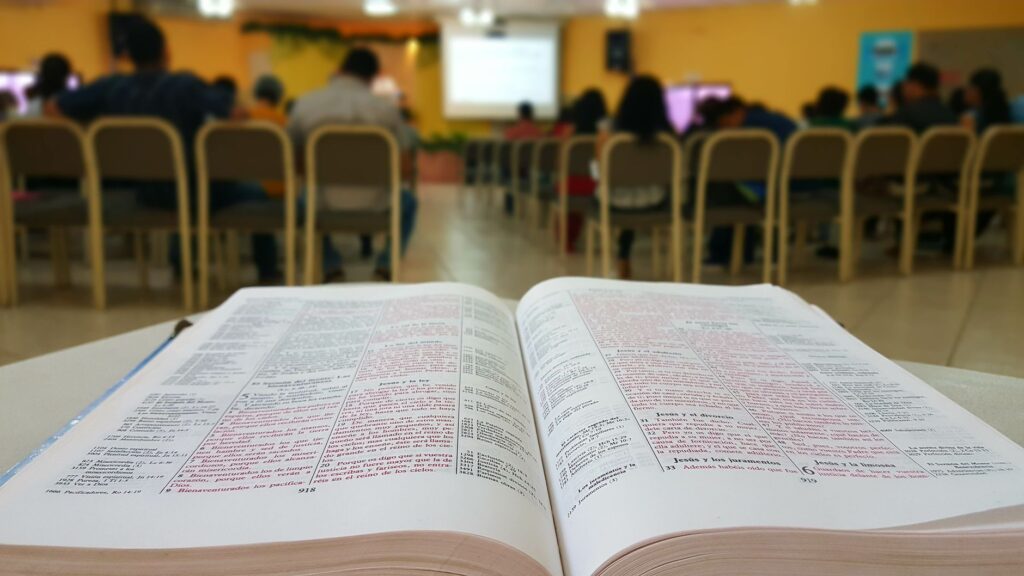

Engaging with the Bible as a continuous narrative allows readers to grasp the overarching story of God’s relationship with humanity. Instead of fragmenting passages into chapters and verses, consider reading the Bible as a unified story. For instance, the creation narrative in Genesis (Genesis 1-2) sets the stage for understanding the entire biblical narrative, including the fall and the promise of redemption through Christ. By seeing these connections, we can appreciate the depth of God’s redemptive plan.
The Bible is rich with recurring themes that weave throughout its pages. Reading without chapters encourages the discovery of these motifs in their entirety. For example, the theme of covenant appears prominently in Genesis (Genesis 12:1-3) and continues through the Old Testament into the New Testament, culminating in the New Covenant established by Jesus (Luke 22:20). Recognizing these themes fosters a deeper understanding of God’s character and intentions.
Exploring the Bible without chapters and verses can be a powerful communal activity. Group readings can foster deeper discussions and insights as individuals share their perspectives on the text as a whole. This communal approach is reflective of the early church’s practices, where believers gathered to read and interpret Scripture together (Acts 2:42). The insights gained from diverse viewpoints enrich the understanding of the text.
When reading the Bible together, participants can create a shared experience that enhances connection and accountability. By discussing narratives, poetry, and prophecy collectively, groups can draw parallels and highlight applications relevant to their lives today. For instance, reading the Sermon on the Mount (Matthew 5-7) as a single unit allows for a holistic understanding of Jesus’ teachings on ethics and discipleship. This fosters a sense of unity and purpose among readers.
Reading the Bible without chapters and verses can greatly influence how we apply Scripture in our daily lives. Understanding the continuity and context of biblical texts encourages us to embody the teachings in our actions. For example, the call to love our neighbors (Matthew 22:39) can be better understood when we read the surrounding verses discussing the greatest commandments in relation to our daily interactions.
When we engage with Scripture as a continuous narrative, we can better discern God’s will for our lives. The wisdom literature, including Proverbs (Proverbs 3:5-6), offers guidance that can be easily overlooked in fragmented readings. By internalizing these passages in their full context, we’re better equipped to make decisions rooted in biblical principles.
When we read the Bible as a unified narrative rather than in fragmented chapters and verses, we begin to see the interwoven themes of redemption and grace that run throughout. The story of the Gospel is not confined to isolated passages; it encompasses the entire biblical narrative from Genesis to Revelation. For instance, the promise of redemption in Genesis 3:15 finds its fulfillment in the New Testament through Jesus Christ’s sacrifice (John 3:16). This holistic view encourages us to see how each part of Scripture contributes to the overarching story of God’s love for humanity.
Many themes are developed across different books of the Bible, demonstrating a profound interconnectedness. For example, themes of love, sacrifice, and covenant can be traced from the Old Testament through to the New Testament. Notable examples include:
By studying these interconnected themes without the constraints of chapters and verses, readers can gain deeper insights into God’s character and His plan for humanity.


Reading the Bible without chapters and verses can create space for deeper meditation and contemplation. By allowing Scripture to flow as a narrative, readers can reflect on the emotions, lessons, and spiritual truths presented without distraction. For example, when reading Psalm 23 as a whole, one can feel the comfort of God as a shepherd, rather than dissecting it into isolated verses. As Philippians 4:8 encourages, we are called to think about whatever is true, noble, right, pure, lovely, and admirable. This approach fosters a more profound and personal connection to the text.
As you read, consider keeping a journal to document your thoughts, questions, and insights. Writing down reflections can help crystallize understanding and provoke deeper exploration of specific themes. You might include:
Journaling not only enhances retention but also serves as a valuable tool to revisit your spiritual journey and see how God has been at work.
When gathered in a group, reading the Bible without chapters and verses can lead to rich discussions that flow naturally from one thought to another. This format allows participants to explore the text’s meaning collaboratively. It is essential to create an atmosphere where everyone feels comfortable sharing their insights and interpretations, as Proverbs 27:17 states, “As iron sharpens iron, so one person sharpens another.” This dynamic interaction can reveal different perspectives and deepen understanding.
To foster a more engaging group experience, consider incorporating various activities such as:
These activities can help participants connect with the text on a deeper level and encourage a sense of community and shared faith.
Yes, many websites and applications provide access to Bibles in formats without chapters and verses. Look for downloadable PDFs or online reading options.
Reading without chapters allows for a continuous flow, helping to grasp the narrative’s fullness and context, leading to deeper insights.
Many translations may offer versions without chapters and verses. Check with publishers or online platforms to find a version you prefer.
Incorporating this practice regularly can be beneficial. Consider setting aside specific times each week to read in this uninterrupted format.
Reading the Bible without chapters and verses can transform your engagement with Scripture, leading to a deeper understanding of God’s Word. By immersing yourself in the text and exploring its historical context, you can enhance your prayer life and personal application of biblical teachings. As you seek to encounter the living Word of God, may this practice enrich your faith journey and draw you closer to Him.
Weekly encouragement
Free Bible study guides, prayer help and a verse to carry through your week. No spam, unsubscribe anytime.



Join the conversation