Bible Verses About Respecting Parents: Key Teachings and Insights
Explore Bible verses about respecting parents and discover key teachings that can strengthen family relationships and promote harmony.
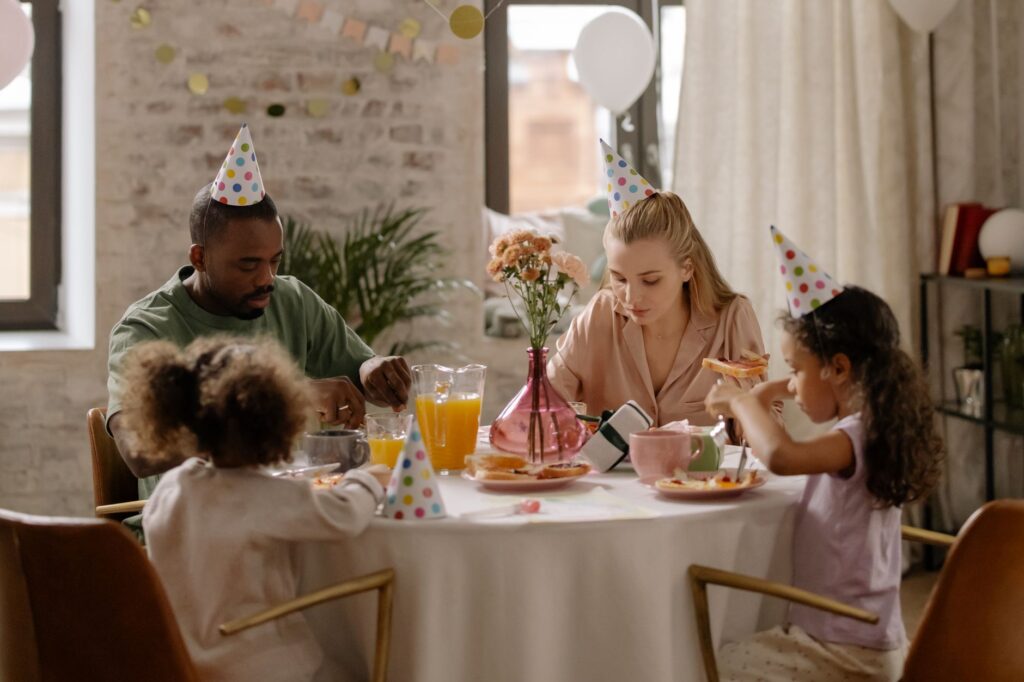
Key Takeaways
- Respecting parents is a biblical commandment.
- Honoring parents can lead to blessings in life.
- Understanding challenges in parent-child relationships is essential.
- Practical tips can help cultivate respect in families.
Respecting parents is a significant theme in the Bible, emphasized throughout Scripture as a vital part of family dynamics. This principle is grounded in the Fifth Commandment, which instructs us to honor our parents. In a world that often seems to challenge traditional family values, it is crucial for Christians to understand what the Bible teaches about respecting parents. Such respect not only honors God but also fosters healthy family relationships.
As we explore various Bible verses about respecting parents, we will uncover the depth of this commandment and its implications for our daily lives. From practical applications to reflections on the relationship between parents and children, this article aims to provide a comprehensive understanding of how we can live out this important biblical teaching.
In addition to examining the verses themselves, we will also share relatable examples and practical tips to help you cultivate respect within your family. Whether you are a parent seeking to instill values in your children or a young adult navigating your relationship with your parents, the insights from Scripture can guide you.
Biblical Foundations of Respecting Parents
The foundation for respecting parents can be found in several key verses in the Bible. The most notable is Exodus 20:12, which states, “Honor your father and your mother, that your days may be long in the land that the LORD your God is giving you.” This commandment is not just a suggestion; it is a directive from God that carries significant weight in the eyes of believers. Honoring parents is seen as a way to show reverence to God Himself.
Another important verse is Ephesians 6:1-3, which reiterates this command in the New Testament, stating, “Children, obey your parents in the Lord, for this is right. Honor your father and mother (this is the first commandment with a promise), that it may go well with you and that you may live long in the land.” Here, the apostle Paul emphasizes the rightness of obedience to parents, linking it to a promise of well-being.
Understanding the cultural and historical context of these verses can enhance our appreciation of their relevance today. In ancient Israel, honoring one’s parents was foundational to societal structure and family integrity. This cultural backdrop helps us recognize that the importance of respecting parents transcends time and remains applicable in today’s relationships.
The Importance of Honoring Parents
Honoring parents is not merely about following rules; it is about establishing a healthy family dynamic. When children respect their parents, they create an environment of trust and love. This respect serves as a model for future relationships, teaching children how to engage with authority figures and peers in a respectful manner.
Moreover, respecting parents can lead to blessings, as seen in the promise attached to the commandment. When children honor their parents, they often experience a more fulfilling and peaceful life. This is not to suggest that life will be without challenges, but rather that a foundation built on respect can lead to healthier interactions and outcomes.
Consider a family where communication is open and respectful. In such a household, conflicts are resolved with understanding and empathy. Children learn to express their opinions while also valuing their parents’ guidance. This mutual respect fosters strong bonds and prepares children for their future roles as adults, whether as parents or leaders in their communities.

Challenges in Respecting Parents
While the biblical call to respect parents is clear, the reality is that not all parent-child relationships are healthy or straightforward. Many individuals may struggle with feelings of resentment or anger towards their parents due to past hurts or disagreements. The command to honor parents can feel challenging for those who have experienced trauma or neglect.
It is essential to recognize that respecting parents does not mean condoning harmful behavior. For example, if a parent is abusive or consistently disrespectful, the relationship may require boundaries for the sake of mental and emotional health. In such situations, seeking wisdom from Scripture, prayer, and possibly professional counseling can be essential steps toward healing.
Additionally, navigating different perspectives can be difficult. Parents and children may not always see eye to eye, especially regarding values, lifestyle choices, or faith. In these moments, it is vital to approach discussions with grace and understanding, aiming to communicate rather than confront. Colossians 3:21 reminds us, “Fathers, do not provoke your children, lest they become discouraged.” This verse highlights the importance of mutual respect in family dynamics.
Practical Ways to Show Respect
Respect can be demonstrated in various ways, and it’s important to find expressions that resonate within your family. Here are some practical suggestions for honoring your parents:
- Listen Actively: Take the time to listen to your parents’ thoughts and opinions. This shows that you value their perspectives.
- Express Gratitude: Regularly express appreciation for the sacrifices they have made. A simple thank you can go a long way.
- Communicate Openly: Share your feelings and thoughts respectfully. Open communication builds trust.
- Help with Responsibilities: Offer assistance with chores or responsibilities around the house. Acts of service demonstrate love and respect.
- Seek Their Advice: Involve your parents in decisions, showing that you value their wisdom and experience.
For instance, imagine a young adult named Sarah who struggles with her relationship with her parents. After reflecting on the biblical teachings, she decides to invite them for dinner once a month. During these dinners, she practices active listening, allowing her parents to share their stories and experiences. This simple act of intentional time together helps mend the relationship and fosters mutual respect.
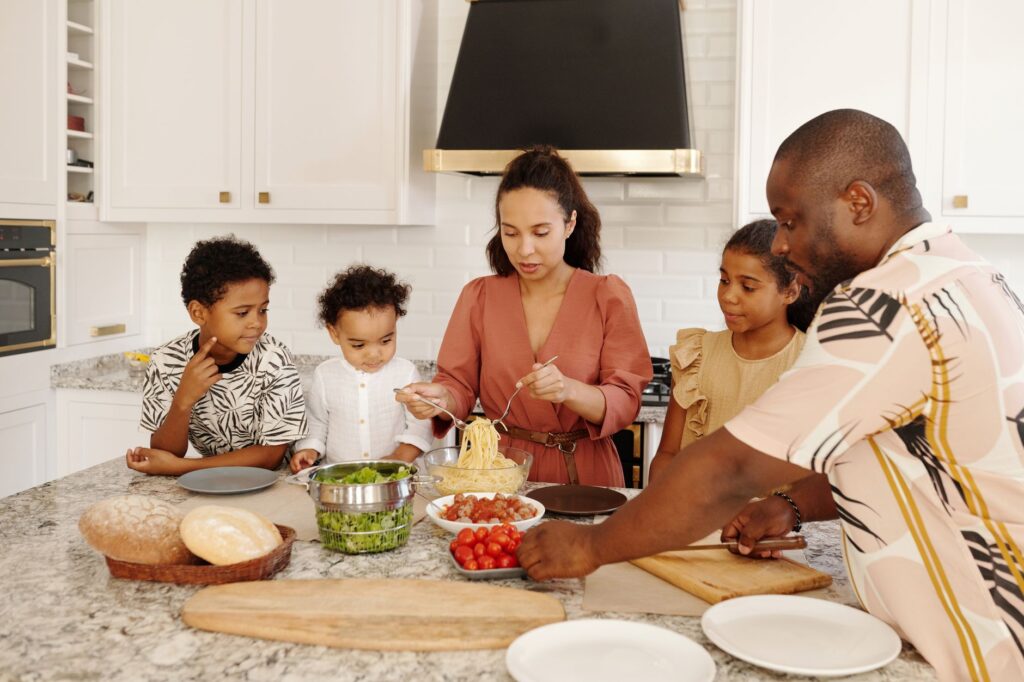
Teaching Children to Respect Their Parents
As parents, it is essential to model respect in your own actions. Children learn from observing their parents, and demonstrating respect in your relationship with them sets a powerful example. Here are some strategies for instilling respect in children:
- Model Respectful Behavior: Show respect to your spouse and others in front of your children. They will mimic your behavior.
- Teach the Value of Gratitude: Encourage your children to express thanks and appreciation for everyday things.
- Set Clear Expectations: Communicate the importance of respecting parents and what that looks like in daily interactions.
- Encourage Dialogue: Allow children to voice their opinions respectfully. This teaches them how to engage in healthy discussions.
- Celebrate Acts of Kindness: Acknowledge and reward respectful behavior to reinforce positive actions.
By actively teaching these principles, parents can cultivate a household atmosphere where respect thrives. Children will be better equipped to honor their parents and practice respect in all their relationships.
Understanding the Role of Cultural Context in Honoring Parents
Cultural Expectations and Biblical Teachings
Throughout history, cultures have developed their own norms and practices regarding familial relationships. In many societies, the respect and honor given to parents are deeply ingrained in the cultural fabric. The Bible acknowledges this by emphasizing the importance of honoring parents, as seen in Exodus 20:12, which states, “Honor your father and your mother, that your days may be long in the land that the Lord your God is giving you.” This commandment not only reflects God’s desire for familial harmony but also aligns with cultural expectations across various societies.
Understanding the role of cultural context can help us navigate relationships with our parents more effectively. For example, in Eastern cultures, filial piety is a prominent value, often placing the needs of parents above personal desires. In contrast, Western cultures may emphasize individualism. Recognizing these differences can help us approach our relationships with parents from a more informed perspective.
Balancing Cultural Norms with Biblical Principles
While cultural expectations play a significant role in shaping our views on family, it is essential to balance these norms with biblical principles. Romans 12:2 warns us, “Do not be conformed to this world, but be transformed by the renewal of your mind, that by testing you may discern what is the will of God, what is good and acceptable and perfect.” This verse encourages us to evaluate our cultural practices against Scripture.
As we navigate our relationships with parents, we must consider how cultural norms align or conflict with biblical teachings. For instance, if a cultural practice encourages disrespect towards parents, we should seek to challenge that perspective with the truth of God’s Word. Here are some steps to help maintain this balance:
- Identify cultural practices that conflict with biblical teachings.
- Engage in open conversations with parents about differing views.
- Seek wisdom through prayer and Scripture to guide your actions.

Teaching Respect Through Examples and Storytelling
Learning from Biblical Figures
The Bible is rich with stories of individuals who exemplified respect and honor towards their parents. One profound example is the story of Ruth and Naomi. Ruth’s unwavering loyalty to her mother-in-law demonstrates a deep respect that extends beyond biological ties. In Ruth 1:16-17, Ruth declares, “Where you go I will go, and where you lodge I will lodge. Your people shall be my people, and your God my God.” This commitment to familial respect can serve as a powerful lesson for others.
Similarly, the story of Jesus at the age of twelve showcases the importance of honoring parents. In Luke 2:51, we read, “And he went down with them and came to Nazareth and was submissive to them.” Even as the Son of God, Jesus set an example of obedience and respect for His earthly parents, reminding us of the significance of honoring our parents regardless of our status.
Encouraging Family Storytelling
Encouraging storytelling within families can be an effective way to teach respect. Sharing stories from the Bible, personal experiences, or cultural narratives helps to reinforce the importance of honoring parents. Here are some tips for fostering storytelling in your family:
- Set aside regular family time for sharing stories.
- Encourage each family member to share their experiences related to respect.
- Use biblical stories as discussion starters to engage in deeper conversations about honoring parents.
Spiritual Growth Through Respecting Parents
The Connection Between Honoring Parents and Spiritual Maturity
Respecting parents is not only a commandment but also a pathway to spiritual growth. Ephesians 6:1-3 emphasizes the importance of this relationship: “Children, obey your parents in the Lord, for this is right. Honor your father and mother (this is the first commandment with a promise), that it may go well with you and that you may live long in the land.” This passage highlights how honoring parents is inherently connected to our spiritual well-being.
When we practice respect towards our parents, we cultivate virtues such as patience, humility, and empathy. These qualities are essential for spiritual maturity, as they reflect the character of Christ. Additionally, honoring parents can lead to a deeper understanding of God’s authority and His design for family relationships.
Prayer and Reflection for Strength in Honor
To strengthen our commitment to honoring parents, incorporating prayer and reflection into our daily lives can be beneficial. James 1:5 reminds us, “If any of you lacks wisdom, let him ask of God, who gives generously to all without reproach, and it will be given to him.” Through prayer, we can seek guidance on how to honor our parents effectively, even in challenging situations.
Here are some practical ways to incorporate prayer and reflection into honoring your parents:
- Pray for your parents daily, asking God to bless and guide them.
- Reflect on specific ways you can demonstrate honor in your interactions.
- Maintain a journal to track your growth in respecting your parents and God’s responses to your prayers.
Frequently Asked Questions
What does the Bible say about respecting parents?
The Bible emphasizes the importance of honoring parents in verses such as Exodus 20:12 and Ephesians 6:1-3, establishing it as a foundational principle for family life.
How can I show respect to my parents in practical ways?
Respect can be shown through active listening, expressing gratitude, and helping with responsibilities. Engaging in open communication also demonstrates respect.
What if my parents do not respect me?
While it can be challenging, strive to maintain your respect regardless of their behavior. Setting healthy boundaries may be necessary, and seeking professional guidance can help navigate difficult relationships.
Is it always easy to respect parents?
No, it can be challenging, especially in cases of past trauma or conflict. However, seeking God’s guidance and understanding the biblical teachings can help navigate these complexities.
The Bottom Line
Respecting parents is a vital biblical command that fosters healthy family relationships and reflects our reverence for God. Through understanding, practical applications, and open dialogue, we can cultivate an environment of respect that honors our parents and strengthens family bonds. By grounding our actions in Scripture, we create a legacy of love and honor that can be passed down through generations.
Keep reading
More Family & Parenting →

Bible Verse A Man Who Does Not Provide For His Family: Key Insights

Understanding Bible Verses About a Son Leaving His Mother

Bible Verses About Being Proud Of Your Child: Embracing Their Journey
Weekly encouragement
Grow in the Word, one email at a time.
Free Bible study guides, prayer help and a verse to carry through your week. No spam, unsubscribe anytime.
Join the conversation