What the Bible Says About the Fear of the Lord (Part 2)
In part one of our exploration into the profound biblical concept of the "Fear of the Lord," we discussed its essential role in wisdom…
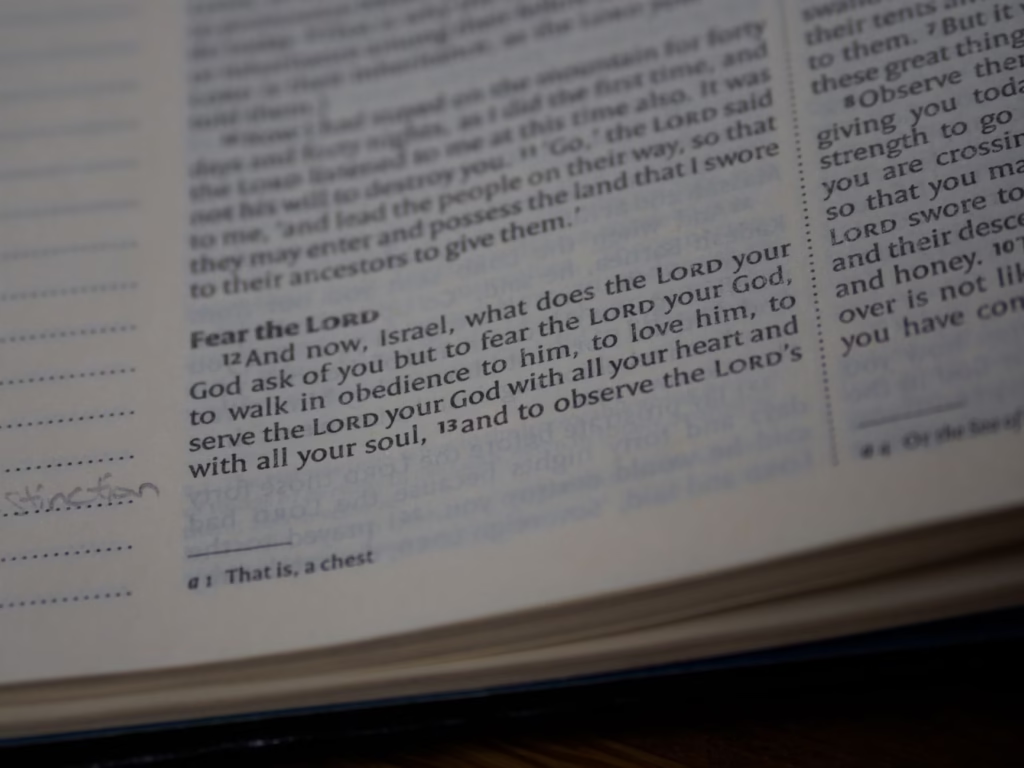
In part one of our exploration into the profound biblical concept of the “Fear of the Lord,” we discussed its essential role in wisdom, reverence, and the pathway to understanding. This time, we’ll delve deeper into how this fear manifests in our lives, its transformative power, and the blessings that flow from cultivating a healthy fear of God. Whether you’re a long-time follower or just beginning your spiritual journey, understanding this concept is crucial for developing a sincere and obedient relationship with God.
Understanding the Fear of the Lord: A Multifaceted Concept
The term “fear of the Lord” can often evoke thoughts of dread or anxiety, but that is not the biblical perspective. In Scripture, the fear of the Lord is portrayed as a multi-dimensional experience characterized by respect, reverence, and awe toward God. Let’s look at how this fear influences our everyday lives.
1. Fear as Reverence and Respect
One of the essential aspects of the fear of the Lord is recognizing His majesty and holiness. This kind of fear is rooted in a profound respect for God’s authority and omnipotence.
- Biblical Examples:
- Isaiah 6:1-5: When Isaiah saw the Lord sitting upon a throne, high and lifted up, he was filled with awe and awareness of his unworthiness.
- Revelation 4:8: The angels declare, “Holy, holy, holy, is the Lord God Almighty!” This continuous worship showcases deep reverence for God’s holiness.
Understanding this fear helps us approach God not just as a distant deity but as a loving Father who deserves our utmost respect.
2. Fear Leading to Obedience
The fear of the Lord is intricately woven into the fabric of obedience to His commandments. When we hold God in the highest regard, we naturally seek to align our lives with His will.
- Proverbs 14:27 tells us that “The fear of the Lord is a fountain of life, turning a person from the snares of death.” This clearly indicates how reverent fear guides us away from sin and towards righteousness.
- Practical Steps to Confident Obedience:
- Regular prayer: Seek strength and clarity to live in accordance with His will.
- Scripture study: Delve into God’s Word to understand His precepts and commandments.
- Accountability: Surround yourself with fellow believers who can encourage and challenge you in your walk with God.
3. The Fear of the Lord and Wisdom
As noted in Part 1, the fear of the Lord is often described as the beginning of wisdom (Proverbs 9:10). But what does this actually look like in practice?
- Discernment in Decision-Making: A fear of the Lord cultivates wisdom that helps us make choices aligned with God’s desires.
- Living with Integrity: When we respect God, we are less likely to compromise our values even when faced with temptation.
4. The Positive Outcomes of the Fear of the Lord
Embracing the fear of the Lord leads to various blessings in our lives. Here are some noteworthy outcomes:
- Increased Wisdom: As we fear God, we grow in knowledge and discernment, allowing us to navigate life more effectively.
- A Fulfilling Relationship with God: Fear fosters intimacy, as it helps us understand both our proximity and distance to His holiness.
- Protection and Security: Proverbs 19:23 states, “The fear of the Lord leads to life.” It shields us from the dangers of sin and its consequences.
Cultivating the Fear of the Lord in Daily Life
Now that we’ve uncovered the essence and benefits of fearing the Lord, how can we actively cultivate this attitude in our daily lives? Here are some practical tips:
- Meditation on God’s Attributes: Spend time reflecting on God’s greatness, justice, mercy, and love. Journaling can be an effective tool here.
- Worship and Praise: Create a habit of worship, not only in church but in daily routines. Music, prayer, and even nature can inspire reverence.
- Engage in Community: Join a fellowship group or Bible study that emphasizes the importance of reverencing God.
Conclusion: Fear of the Lord—A Catalyst for Growth
The “fear of the Lord” is not about cowering in fear but is a transformative experience that leads to wisdom, obedience, and a profound relationship with God. By revering Him, we align ourselves with His will, gain insight into His character, and invite blessings into our lives. As we continue to explore this essential biblical concept, let us strive to embrace a healthy fear of the Lord that empowers us to live joyfully and purposefully in His presence.
So, how can you start fostering a deeper fear of the Lord today? Remember, it’s the first step on an amazing journey toward spiritual growth and fulfillment.
Keep reading
More Anxiety, Fear & Worry →



Weekly encouragement
Grow in the Word, one email at a time.
Free Bible study guides, prayer help and a verse to carry through your week. No spam, unsubscribe anytime.
Join the conversation