
Forgiveness & Repentance
Bible Verses For Forgiving Yourself: Finding Peace in God
Nov 8, 2026 · 12 min read
Discover biblical insights on alcohol, moderation, and making wise choices that honor your faith and well-being.
Alcohol is one of the most discussed and debated topics among Christians. Some believe the Bible strictly forbids drinking, while others argue that it allows moderate consumption. So, what does the Bible really say about alcohol?
If you’ve ever wondered whether drinking wine is a sin, what Scripture says about drunkenness, or how Christians should approach alcohol today, this guide will walk you through key Bible verses and provide balanced, biblical insight.
Let’s explore what the Word of God reveals.
One of the most important distinctions in Scripture is this: the Bible does not explicitly forbid alcohol itself—but it strongly warns against drunkenness.
Wine was common in biblical times and often viewed as a blessing.
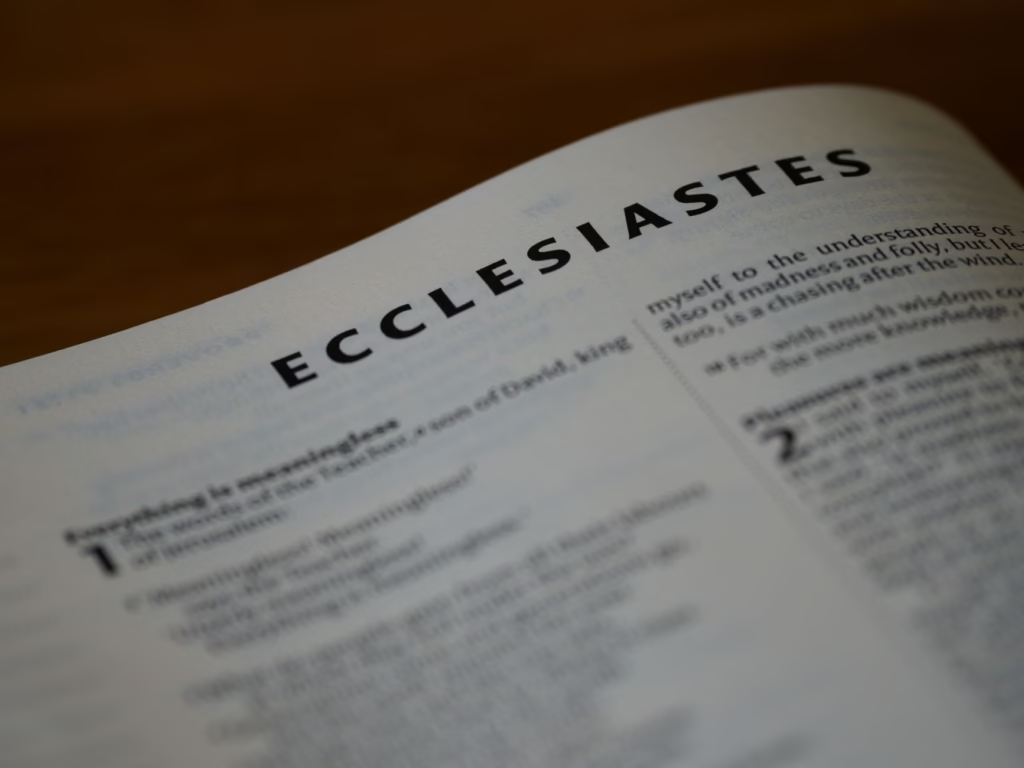
Ecclesiastes 9:7 (NIV)
“Go, eat your food with gladness, and drink your wine with a joyful heart…”
Psalm 104:14–15 (NIV)
“He makes grass grow for the cattle… and wine that gladdens human hearts.”
These verses show that wine was seen as part of God’s provision. It was a normal part of meals, celebrations, and religious festivals.
One of the most frequently discussed examples is Jesus turning water into wine.
John 2:1–11 records Jesus’ first miracle—turning water into wine at a wedding feast.
Additionally, Jesus referenced wine in His teachings and instituted communion with wine at the Last Supper (Matthew 26:27–29).
This suggests that Jesus did not teach total abstinence from alcohol. However, His life also demonstrated self-control and wisdom.
While the Bible does not ban alcohol outright, it clearly and repeatedly condemns drunkenness.
Ephesians 5:18 (NIV)
“Do not get drunk on wine, which leads to debauchery. Instead, be filled with the Spirit.”
Proverbs 20:1 (NIV)
“Wine is a mocker and beer a brawler; whoever is led astray by them is not wise.”
Galatians 5:19–21 (NIV) lists drunkenness among acts of the flesh.
Scripture consistently warns that drunkenness:
The issue isn’t the drink—it’s losing control.
Some argue that biblical wine was less alcoholic than today’s beverages. While fermentation methods were different, historical evidence confirms that biblical wine did contain alcohol.
However:
The key biblical principle remains moderation and wisdom.
The Bible gives room for personal conviction.
“It is better not to eat meat or drink wine or to do anything else that will cause your brother or sister to fall.”
This verse introduces an important principle:
✅ Christian freedom
✅ Personal responsibility
✅ Consideration for others
If drinking alcohol:
Then it becomes spiritually harmful—even if not explicitly labeled sin in every case.
While moderate drinking is not directly condemned, there are times when abstinence may be the wiser path:
Christian maturity often asks not, “Is this allowed?” but rather, “Is this wise?”
Instead of focusing only on rules, Scripture encourages believers to apply godly principles:
Self-control is a fruit of the Spirit (Galatians 5:22–23).
Believers are repeatedly called to be sober-minded (1 Peter 5:8).
Your freedom should never harm another believer (1 Corinthians 8:9).
1 Corinthians 10:31
“So whether you eat or drink… do it all for the glory of God.”
Yes, in moderation.
1 Timothy 5:23 (NIV)
“Stop drinking only water, and use a little wine because of your stomach and your frequent illnesses.”
Paul recommended a little wine for medicinal use—not excess.
The Bible does not clearly command all believers to abstain completely. However, it consistently commands believers to avoid drunkenness and foolishness.
Here’s a simple summary:
So, what does the Bible say about alcohol verses? The clearest message is this: God cares more about your heart, self-control, and spiritual maturity than about the beverage itself.
The Bible does not promote reckless behavior or legalistic restriction. Instead, it calls believers to:
Whether you choose to abstain completely or drink in moderation, the ultimate question isn’t “Can I?” but “Does this honor God?”
When guided by Scripture, prayer, and the Holy Spirit, your decisions about alcohol can reflect both freedom and faithfulness.
If you’re wrestling with this issue, seek counsel, study the Word deeply, and ask God for wisdom. He promises to give it generously (James 1:5).
Looking for more Bible-based guidance on everyday life topics? Explore related posts and continue growing in faith and understanding.
Weekly encouragement
Free Bible study guides, prayer help and a verse to carry through your week. No spam, unsubscribe anytime.


Join the conversation