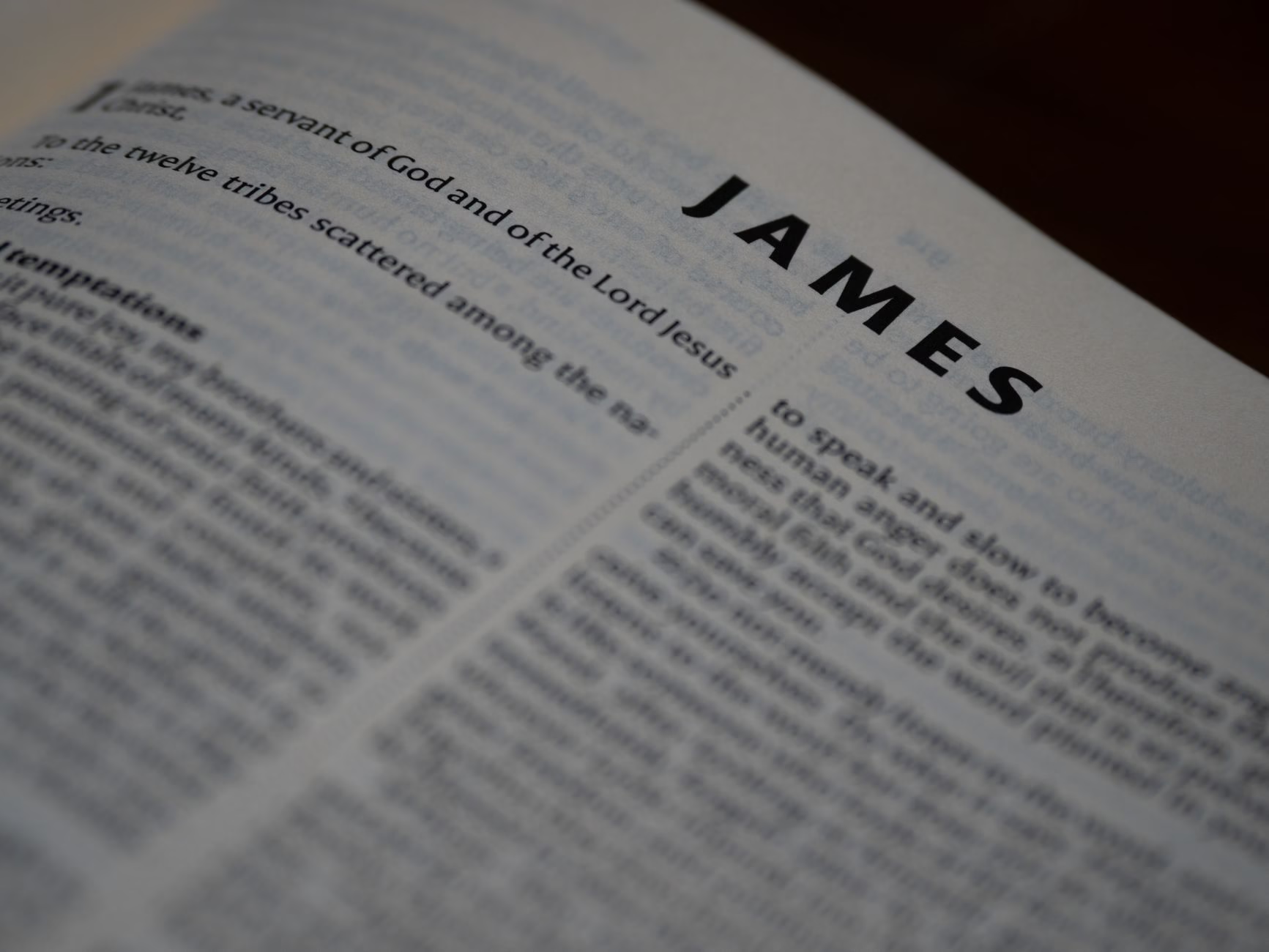
The Tongue Is a Two-Edged Sword Bible Verse

THE TONGUE IS A TWO-EDGED SWORD BIBLE VERSE

Table of Contents

Short answer: The tongue is often likened to a two-edged sword in James 3:5-6 and Proverbs 18:21, illustrating its power to create and destroy. These verses highlight how our words can build relationships or cause harm, emphasizing the importance of mindful communication.

The Tongue is a Two-Edged Sword: A Biblical Perspective

In the ever-evolving tapestry of human communication, words stand as powerful architects, capable of building empires or dismantling dreams in mere seconds. This dichotomy finds a resonant echo in the Bible, where the concept of the tongue being a “two-edged sword” emerges. In this blog post, we will explore this biblical metaphor, unveiling its profound implications for our daily lives. With practical examples and actionable insights, we aim to understand how harnessing this metaphor can lead to enriched communication and personal growth.

Understanding the Metaphor

The phrase “the tongue is a two-edged sword” is primarily derived from several biblical scriptures, including James 3:5-6 and Proverbs 18:21, which stress the duality of the tongue’s potential.

The Biblical Context

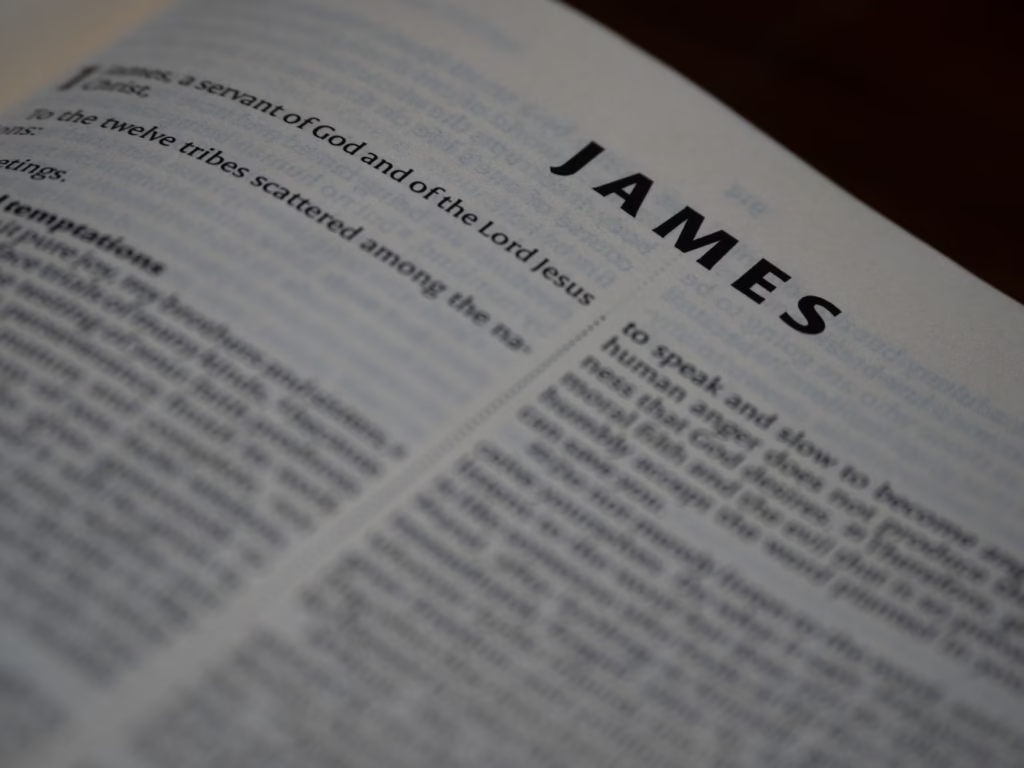
  • James 3:5-6: “Likewise, the tongue is a small part of the body, but it makes great boasts. Consider what a great forest is set on fire by a small spark. The tongue also is a fire, a world of evil among the parts of the body. It corrupts the whole body, sets the whole course of one’s life on fire, and is itself set on fire by hell.”
  • Proverbs 18:21: “The tongue has the power of life and death, and those who love it will eat its fruit.”

These verses poignantly highlight the tongue’s capacity to wield both life-affirming and destructive power. It is both a channel for divine wisdom and a potential vessel for discord.

A Metaphor with Modern Relevance

In a contemporary framework, the two-edged nature of language reflects our modern struggles with communication in an era of digital interaction. Ill-chosen words in emails or social media can amplify misunderstandings and conflicts, akin to the untamed tongue described in the Bible.

The Dual Powers of the Tongue

The Creative Edge

The positive potential of the tongue is arguably limitless.

  • Building Relationships: Words of affirmation, empathy, and encouragement can solidify bonds between individuals, fostering trust and collaboration.
  • Inspiring Action: Great leaders use words to motivate and unite communities toward common goals. Consider the speeches of influential figures like Martin Luther King Jr. and their enduring impacts.
  • Nurturing Growth: Constructive feedback spoken with care can propel individuals toward personal and professional development.

The Destructive Edge

Conversely, the tongue holds a formidable capacity for harm.

  • Spreading Lies: Misinformation or falsehoods can tarnish reputations and sow division.
  • Causing Emotional Pain: Hurtful or careless words can lead to long-lasting emotional scars, impacting self-esteem and mental health.
  • Inciting Conflict: Inflammatory language can escalate tensions, contributing to conflicts on personal and global scales.

Practical Tips for Harnessing the Power of the Tongue

To navigate the dual nature of our words effectively, consider the following strategies:

  • Practice Mindful Communication: Pause and reflect before speaking. Ask yourself if your words are true, necessary, and kind.
  • Cultivate Active Listening: Enhance understanding by truly hearing others before formulating a response.
  • Use Positive Language: Focus on what can be done and the possibilities, rather than dwelling on the negatives.
  • Engage in Self-Reflection: Regularly review your communication patterns. Are there areas where you can improve in delivering or receiving words?

Conclusion

The biblical metaphor of the tongue as a two-edged sword offers enduring wisdom on the potent and sometimes perilous nature of our speech. Grounded in ancient scriptural teachings, its lessons are as relevant today as ever. By recognizing the power vested in our words and committing to mindful communication, we can harness this dual-edge for greater peace, understanding, and vitality in our interactions.

As we journey through life’s conversations, let us wield our words wisely, embracing both their creative and destructive potential with balance and grace. In doing so, we choose to live with intention, crafting a more harmonious world with every sentence we speak.

Key Takeaways

  • James 3:5-6 emphasizes the destructive potential of the tongue.
  • Proverbs 18:21 illustrates the power of words to bring life or death.
  • Mindful communication can transform relationships and foster trust.
  • Negative language can lead to misunderstandings and conflict.

Strategies for Effective Communication

Practice mindful communication by reflecting on your words before you speak. Regular self-reflection can also enhance your communication patterns.

Frequently Asked Questions

What does James 3:5-6 teach about the tongue?

James 3:5-6 teaches that the tongue, though small, can create great destruction, likening it to a fire that can corrupt the whole body.

How can we use our words positively?

We can use our words positively by offering encouragement, affirmation, and constructive feedback to uplift and nurture those around us.

What are the consequences of careless words?

Careless words can cause emotional pain, damage relationships, and escalate conflicts, leading to long-lasting harm.

How can I practice mindful communication?

To practice mindful communication, pause before speaking to ensure your words are true, necessary, and kind, and actively listen to others.

The Bottom Line

Words hold immense power, capable of shaping our world in profound ways. By choosing to wield our words with care, we contribute to creating a more understanding and harmonious community, one conversation at a time.


Share it :

Leave a Reply

Your email address will not be published. Required fields are marked *

Relationships

The Tongue Is a Two-Edged Sword Bible Verse

July 22, 2025 · 4 Min Read · 0 Comments
f X W
The Tongue Is a Two-Edged Sword Bible Verse

Short answer: The tongue is often likened to a two-edged sword in James 3:5-6 and Proverbs 18:21, illustrating its power to create and destroy. These verses highlight how our words can build relationships or cause harm, emphasizing the importance of mindful communication.

The Tongue is a Two-Edged Sword: A Biblical Perspective

In the ever-evolving tapestry of human communication, words stand as powerful architects, capable of building empires or dismantling dreams in mere seconds. This dichotomy finds a resonant echo in the Bible, where the concept of the tongue being a “two-edged sword” emerges. In this blog post, we will explore this biblical metaphor, unveiling its profound implications for our daily lives. With practical examples and actionable insights, we aim to understand how harnessing this metaphor can lead to enriched communication and personal growth.

Understanding the Metaphor

The phrase “the tongue is a two-edged sword” is primarily derived from several biblical scriptures, including James 3:5-6 and Proverbs 18:21, which stress the duality of the tongue’s potential.

The Biblical Context

  • James 3:5-6: “Likewise, the tongue is a small part of the body, but it makes great boasts. Consider what a great forest is set on fire by a small spark. The tongue also is a fire, a world of evil among the parts of the body. It corrupts the whole body, sets the whole course of one’s life on fire, and is itself set on fire by hell.”
  • Proverbs 18:21: “The tongue has the power of life and death, and those who love it will eat its fruit.”

These verses poignantly highlight the tongue’s capacity to wield both life-affirming and destructive power. It is both a channel for divine wisdom and a potential vessel for discord.

A Metaphor with Modern Relevance

In a contemporary framework, the two-edged nature of language reflects our modern struggles with communication in an era of digital interaction. Ill-chosen words in emails or social media can amplify misunderstandings and conflicts, akin to the untamed tongue described in the Bible.

The Dual Powers of the Tongue

The Creative Edge

The positive potential of the tongue is arguably limitless.

  • Building Relationships: Words of affirmation, empathy, and encouragement can solidify bonds between individuals, fostering trust and collaboration.
  • Inspiring Action: Great leaders use words to motivate and unite communities toward common goals. Consider the speeches of influential figures like Martin Luther King Jr. and their enduring impacts.
  • Nurturing Growth: Constructive feedback spoken with care can propel individuals toward personal and professional development.

The Destructive Edge

Conversely, the tongue holds a formidable capacity for harm.

  • Spreading Lies: Misinformation or falsehoods can tarnish reputations and sow division.
  • Causing Emotional Pain: Hurtful or careless words can lead to long-lasting emotional scars, impacting self-esteem and mental health.
  • Inciting Conflict: Inflammatory language can escalate tensions, contributing to conflicts on personal and global scales.

Practical Tips for Harnessing the Power of the Tongue

To navigate the dual nature of our words effectively, consider the following strategies:

  • Practice Mindful Communication: Pause and reflect before speaking. Ask yourself if your words are true, necessary, and kind.
  • Cultivate Active Listening: Enhance understanding by truly hearing others before formulating a response.
  • Use Positive Language: Focus on what can be done and the possibilities, rather than dwelling on the negatives.
  • Engage in Self-Reflection: Regularly review your communication patterns. Are there areas where you can improve in delivering or receiving words?

Conclusion

The biblical metaphor of the tongue as a two-edged sword offers enduring wisdom on the potent and sometimes perilous nature of our speech. Grounded in ancient scriptural teachings, its lessons are as relevant today as ever. By recognizing the power vested in our words and committing to mindful communication, we can harness this dual-edge for greater peace, understanding, and vitality in our interactions.

As we journey through life’s conversations, let us wield our words wisely, embracing both their creative and destructive potential with balance and grace. In doing so, we choose to live with intention, crafting a more harmonious world with every sentence we speak.

Key Takeaways

  • James 3:5-6 emphasizes the destructive potential of the tongue.
  • Proverbs 18:21 illustrates the power of words to bring life or death.
  • Mindful communication can transform relationships and foster trust.
  • Negative language can lead to misunderstandings and conflict.

Strategies for Effective Communication

Practice mindful communication by reflecting on your words before you speak. Regular self-reflection can also enhance your communication patterns.

Frequently Asked Questions

What does James 3:5-6 teach about the tongue?

James 3:5-6 teaches that the tongue, though small, can create great destruction, likening it to a fire that can corrupt the whole body.

How can we use our words positively?

We can use our words positively by offering encouragement, affirmation, and constructive feedback to uplift and nurture those around us.

What are the consequences of careless words?

Careless words can cause emotional pain, damage relationships, and escalate conflicts, leading to long-lasting harm.

How can I practice mindful communication?

To practice mindful communication, pause before speaking to ensure your words are true, necessary, and kind, and actively listen to others.

The Bottom Line

Words hold immense power, capable of shaping our world in profound ways. By choosing to wield our words with care, we contribute to creating a more understanding and harmonious community, one conversation at a time.

0 Comments

Leave a Reply

Your email address will not be published. Required fields are marked *

Join Our Newsletter
Get Scripture, new articles, and Bible topics in your inbox.
Stay In The Word

Get Scripture and New Articles In Your Inbox

Join subscribers who receive daily verses and fresh Bible teaching from The Bible Teaches This.