Short answer: While the phrase 'the tongue has no bones' isn't found in the Bible, its meaning is echoed in verses like Proverbs 18:21, which says, 'The tongue has the power of life and death.' This teaches us the immense impact our words can have on others.
The Tongue Has No Bones Bible Verse: Unpacking the Power of Words
In our modern world of constant communication, the saying "The tongue has no bones, but it is strong enough to break a heart" resonates more than ever. This idea isn't new; it can be traced back to ancient scriptures that highlight the power of words. While you won't find the phrase "the tongue has no bones" in the Bible, the essence of its meaning is peppered throughout, particularly addressing the immense power that words wield. Let's explore the biblical perspectives on the influence of our language and how this age-old wisdom can enrich our daily lives.
The Biblical Context of the Tongue's Power
The Bible often reflects on the power of speech. Several verses, found throughout both the Old and New Testaments, illustrate how influential our words can be. Here are a few notable examples:
Proverbs 18:21 (NIV): "The tongue has the power of life and death, and those who love it will eat its fruit."
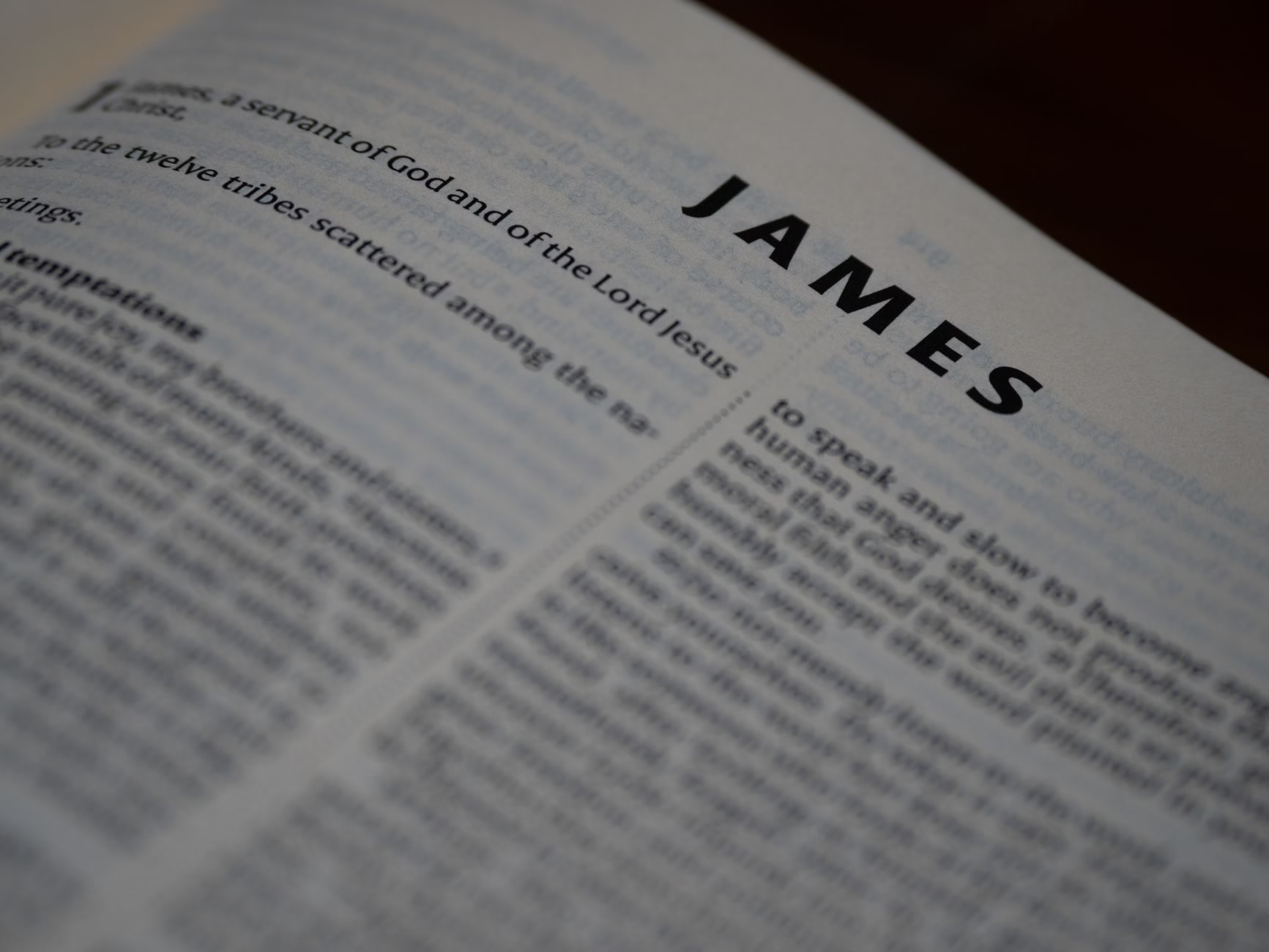
James 3:5-6 (NIV): "Likewise, the tongue is a small part of the body, but it makes great boasts. Consider what a great forest is set on fire by a small spark. The tongue also is a fire…"
Ephesians 4:29 (NIV): "Do not let any unwholesome talk come out of your mouths, but only what is helpful for building others up according to their needs, that it may benefit those who listen."
These verses emphasize that the impact of our words extends beyond mere conversation. They can inspire, motivate, and even heal, yet they can also destroy, demoralize, and wound.
The Dual Nature of Words
Words as Tools for Building
Words have the ability to create positive outcomes when used effectively:
Motivation and Inspiration: Just as a leader’s powerful speech can galvanize a group to action, a few kind words can uplift a discouraged spirit.
Connection and Compassion: Language allows us to express empathy and kindness, forging deeper connections with others. Offering words of comfort to someone in distress can provide them with the strength they need to keep going.
Teaching and Enlightenment: Educators use words to impart knowledge and wisdom, empowering generations. The narratives and parables in the Bible themselves are tools for teaching profound truths.
Words as Weapons for Harm
Conversely, when misused, words can inflict serious damage:
Gossip and Slander: These can ruin reputations and relationships, spreading negativity like wildfire.
Negativity and Criticism: Chronic negative talk can discourage and depress, demotivating individuals and stifling creativity and progress.
Deception and Untruths: Lies can erode trust and create discord within communities, tarnishing both personal and collective relationships.
How to Harness the Power of Words Wisely
Understanding the potent nature of our speech is just the beginning. Here are some practical tips rooted in biblical wisdom to help harness your words for good:
Think Before You Speak: Reflecting on the possible impact of your words before speaking can prevent unintended harm.
Speak with Intent: Choose words that aim to encourage, uplift, and inspire. As Ephesians guides, speak what is "helpful for building others up."
Listen Actively: By first listening thoroughly, you ensure that your words are responding to the needs of others rather than just reacting.
Seek Guidance: Turning to biblical teachings, prayer, or meditation can provide clarity and guidance on when and how to speak.
Conclusion: A Thoughtful Approach to Conversations
The biblical teachings on the power of the tongue remind us of the tremendous responsibility we hold each time we speak. While "the tongue has no bones," its potential to shape our world—either positively or negatively—is undeniable. Cultivating an awareness of this power and striving to use our words wisely can make a significant difference in our lives and those of others.
By embracing the wisdom embedded in scriptures and applying it to our modern interactions, we can build a more compassionate, understanding, and encouraging society. So, the next time you engage in conversation, remember: your words can be the catalyst for both change and growth—choose them wisely.
Key Takeaways
- Proverbs 18:21 highlights the life-and-death power of our words.
- Words can inspire, teach, and heal, or they can harm and discourage.
- Using speech wisely requires thoughtfulness and intent.
- Listening actively prepares us to respond with kindness.
Speak Wisely and Thoughtfully
Consider the potential impact of your words before sharing them. Aim to speak in ways that encourage and uplift those around you.
Frequently Asked Questions
What does 'the tongue has no bones' mean?
It signifies that while words are not physical, they hold immense power to affect emotions and relationships.
Which Bible verse mentions the power of words?
Proverbs 18:21 states, 'The tongue has the power of life and death.'
How can I use my words positively?
Focus on speaking encouragement, kindness, and truth to build others up.
What are the consequences of negative speech?
Negative words can harm relationships, spread gossip, and discourage others.
The Bottom Line
Words are powerful tools that can shape lives for better or worse. By being mindful of our speech, we can foster a more loving and supportive environment for everyone.