The Bible’s View on Forgiving Yourself
The Bible’s view on forgiving yourself encourages healing and self-acceptance, guiding you on a transformative journey of grace.
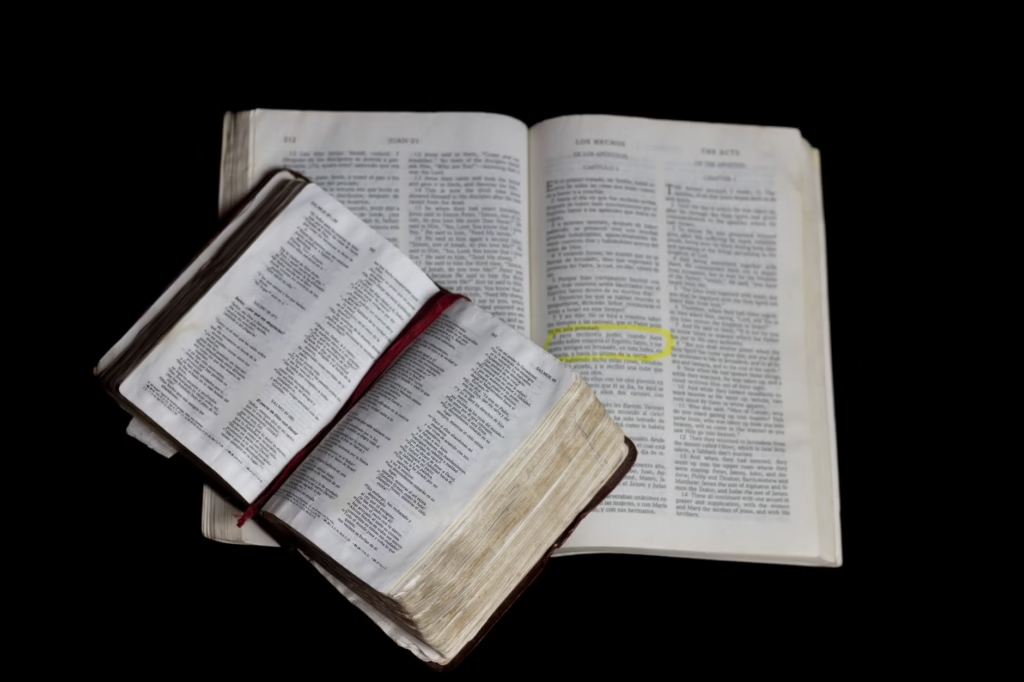
The Bible’s View on Forgiving Yourself
Forgiveness is a central theme in the Bible, echoing throughout its pages and resonating deeply within the hearts of believers. The Bible’s view on forgiving yourself reminds us that to forgive is to heal—both ourselves and our relationships with others. But what about forgiving ourselves? Can we extend the same grace inward, or is self-forgiveness an elusive concept? In this blog post, we explore the Bible’s perspective on self-forgiveness and offer practical guidance on how to embrace this transformative journey.
Understanding Forgiveness in the Bible
Before diving into the intricacies of self-forgiveness, it’s essential to understand the biblical theme of forgiveness as a whole. Here are some key points:
- God’s Forgiveness: The Bible teaches that God willingly forgives our sins when we repent. Verses like 1 John 1:9 remind us, “If we confess our sins, He is faithful and just to forgive us our sins and to cleanse us from all unrighteousness.”
- Forgiving Others: The teachings of Jesus emphasize the importance of forgiving others. In Matthew 6:14-15, He states, “For if you forgive other people when they sin against you, your heavenly Father will also forgive you.”
- Forgiveness as a Process: The Bible acknowledges that forgiveness can be a journey. It often doesn't happen instantly and may require effort and reflection.
Understanding these foundational aspects of forgiveness can help illuminate the path towards forgiving ourselves.
The Biblical Basis for Self-Forgiveness
While the Scriptures emphasize God’s forgiveness and our responsibility to forgive others, self-forgiveness isn’t explicitly mentioned. However, several biblical principles support the idea that forgiving oneself is both necessary and beneficial.
1. Acknowledging Our Humanity
The Bible is replete with stories of flawed individuals—David’s adultery, Peter’s denial, and Paul’s persecution of Christians, to name a few. These examples show that everyone makes mistakes. Romans 3:23 reminds us, “For all have sinned and fall short of the glory of God.” Recognizing our imperfection can be the first step towards self-forgiveness.
2. Embracing God’s Grace
Understanding and accepting God’s grace is vital in the self-forgiveness process. Ephesians 2:8-9 says, “For by grace you have been saved through faith, and that not of yourselves; it is the gift of God.” When we grasp the enormity of God’s grace, it becomes easier to forgive ourselves for past mistakes, realizing that God has already paid the price.
3. The Power of Confession
1 John 1:9 emphasizes the importance of confession. Confessing our wrongdoings, whether to God or a trusted mentor, can significantly lighten our emotional burden. This act often leads to a deeper understanding of our errors and fosters a pathway to self-forgiveness.
Practical Steps Towards Self-Forgiveness
While the biblical foundation is crucial, taking concrete steps is equally important in the journey towards self-forgiveness. Here are some actionable strategies:
A. Reflect on the Past
- Identify Mistakes: Take time to reflect on what went wrong and understand why. Journaling can be particularly helpful for this.
- Learn from Experiences: Shift your focus from guilt to growth. Consider how these experiences can shape you into a better person moving forward.
B. Seek God’s Guidance
- Pray for Clarity: Ask God to help you see your situation through His eyes. Prayer can provide comfort and insight.
- Read Scripture: Engage with biblical passages focused on forgiveness, such as Psalm 103:12 which states, “As far as the east is from the west, so far has He removed our transgressions from us.”
C. Embrace Compassion for Yourself
- Practice Self-Love: Treat yourself with the same kindness you would offer a friend in a similar situation. Remember, you are beloved in God’s eyes.
- Affirmations: Create positive affirmations rooted in scripture. Reminding yourself of your worth can help heal past wounds.
Conclusion: The Journey of Self-Forgiveness
Forgiving yourself can be one of the most challenging yet transformative aspects of personal growth. The Bible teaches us about the importance of grace—both received from God and offered to ourselves. As you embark on this journey of self-forgiveness, remember that it is a process that can lead to profound healing and renewed faith.
Embracing the biblical principles of acknowledging our humanity, accepting God’s grace, and practicing compassion towards ourselves is vital. By taking actionable steps and leaning on your faith, you can learn not just to forgive yourself, but also to embrace the fullness of life that God intended for you.
In closing, let us remember the powerful truth found in Isaiah 43:25: “I, even I, am He who blots out your transgressions for My own sake, and remembers your sins no more.” Carry this truth with you, and allow it to guide you towards a future filled with hope, restoration, and acceptance.
Keep reading
More God's Provision & Money →



Weekly encouragement
Grow in the Word, one email at a time.
Free Bible study guides, prayer help and a verse to carry through your week. No spam, unsubscribe anytime.
Join the conversation