Suffer In Silence Bible Verse: Finding Strength in Quiet Trials
Explore the Suffer In Silence Bible Verse and find encouragement in God's Word during quiet trials and struggles.

Key Takeaways
- God hears our silent sufferings.
- The Bible offers wisdom for enduring trials.
- Prayer is a vital response to silent suffering.
- Community support is essential in difficult times.
Life often presents us with challenges that can feel overwhelming, and sometimes these struggles are not easy to articulate. In moments of pain, we may find ourselves suffering in silence, grappling with feelings we cannot fully express. The Bible acknowledges this experience and offers comfort and guidance for those who find themselves in such a place.
This article explores key scriptures that speak to the theme of suffering in silence. Not only will we look at what the Bible teaches about enduring trials, but we will also discover practical ways to connect with God during these difficult times.
As we navigate through our personal struggles, it is essential to remember that silence does not equate to solitude. God is always present, even when we cannot find the words to speak our pain.
The Biblical Perspective on Suffering
The Bible presents suffering as an inevitable part of the human experience. From the Old Testament to the New Testament, we see how individuals faced trials and tribulations that challenged their faith and resilience. Job is one of the most profound examples of suffering in silence. He lost his wealth, health, and family, yet he did not voice his pain until later in his story. His initial silence reflects a deep, internal struggle.
In Romans 5:3-4, Paul writes, “Not only that, but we rejoice in our sufferings, knowing that suffering produces endurance, and endurance produces character, and character produces hope.” Here, we see that suffering is not without purpose. It is a process that can lead to spiritual growth and a deeper reliance on God.
Furthermore, 2 Corinthians 1:3-4 reminds us of God’s comforting nature: “Blessed be the God and Father of our Lord Jesus Christ, the Father of mercies and God of all comfort, who comforts us in all our affliction.” This verse emphasizes that while we may experience silence in our struggles, God is always there to provide comfort and support.
Understanding Silence in Suffering
Suffering in silence can be a complex emotional experience. It may stem from various reasons, including fear of judgment, a desire to protect others, or simply being overwhelmed. Many people find it challenging to articulate their feelings, leading to a silent struggle.
One practical example of this is a woman named Sarah, who experienced a significant loss in her family. Rather than openly discussing her grief, she chose to keep her feelings bottled up, believing her pain would burden others. However, this silence led her to feel isolated and alone in her suffering.
It is essential to recognize that silence can sometimes be a protective mechanism. However, it is crucial to address these feelings with God through prayer and reflection. As we contemplate our silent struggles, we must remember that God invites us to share our burdens with Him, even when words fail us.

Key Bible Verses for Silent Suffering
Several Bible verses speak directly to the experience of suffering in silence. Here are some key passages to meditate on:
- Psalm 34:18: “The Lord is near to the brokenhearted and saves the crushed in spirit.” This verse reassures us that God is always close to those who are hurting.
- 1 Peter 5:7: “Casting all your anxieties on him, because he cares for you.” We are encouraged to bring our silent struggles to God, knowing He cares deeply for us.
- Matthew 11:28: “Come to me, all who labor and are heavy laden, and I will give you rest.” Jesus invites us to find solace in Him during our most challenging times.
These verses serve as reminders that God sees us, even when we feel unseen, and He understands our pain, even when we cannot articulate it.
The Power of Prayer in Silent Suffering
Prayer is a vital avenue for expressing our silent struggles to God. Even when words elude us, prayer can take on many forms, including meditative silence, written prayers, or simply resting in God’s presence. Romans 8:26 tells us, “Likewise the Spirit helps us in our weakness. For we do not know what to pray for as we ought, but the Spirit himself intercedes for us with groanings too deep for words.” This verse emphasizes that during times of silent suffering, the Holy Spirit intercedes on our behalf.
Incorporating different prayer practices can also enhance our connection with God during silent suffering. Consider the following approaches:
- Journaling: Writing down your thoughts can help articulate feelings that may be difficult to express verbally.
- Breath Prayers: Simple phrases like “Lord, help me” or “I trust You” can be repeated during moments of anxiety.
- Contemplative Silence: Spend time in quiet reflection, allowing God to speak to your heart.
Each of these practices can help facilitate a deeper relationship with God, even amid silent suffering.
Finding Community in Silence
While it may feel natural to withdraw during times of suffering, engaging with a supportive community can significantly alleviate feelings of isolation. Sharing your struggles with trusted friends, family, or a church group can foster healing and understanding. Galatians 6:2 encourages us to “bear one another’s burdens, and so fulfill the law of Christ.”
Consider these practical steps for seeking community support:
- Join a Support Group: Many churches offer groups focused on grief, anxiety, or other challenges.
- Communicate Openly: Share your struggles with a friend or family member who can provide emotional support.
- Encourage Others: Sometimes, helping others in their silent suffering can create meaningful connections and foster healing for both parties.
Building relationships within your community can create a supportive network that helps you navigate through silent suffering while reminding you that you are not alone.
When Silence Speaks Volumes
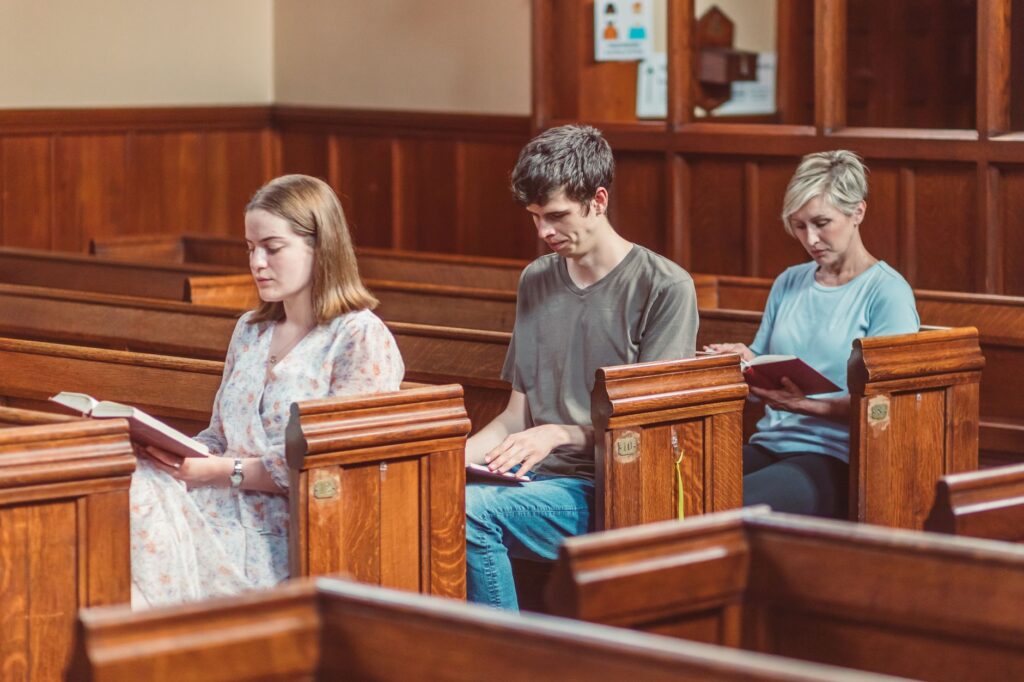
Sometimes, silence in suffering can communicate much more than words ever could. In our quiet moments, God often reveals profound truths about His character and our circumstances. Isaiah 30:15 states, “For thus said the Lord God, the Holy One of Israel: ‘In returning and rest you shall be saved; in quietness and in trust shall be your strength.'” This verse illustrates the strength found in quiet trust during tumultuous times.
In silence, we may find clarity, reflection, and a renewed sense of purpose. It allows us to listen more intently to God’s voice and to discern His guidance for our lives. Embracing silence can lead to spiritual breakthroughs as we learn to trust Him in ways that transcend our understanding.
Embracing Solitude as a Source of Strength
The Beauty of Solitude
In the midst of suffering, solitude can be a powerful refuge. Jesus often withdrew to lonely places to pray and seek communion with His Father (Luke 5:16). This act of retreating into silence allows us to reflect on our circumstances, fostering a deeper relationship with God. It is in these quiet moments that we can hear His voice more clearly, guiding us through our trials.
Consider the story of Elijah, who fled to a cave in the wilderness during a time of intense fear and despair (1 Kings 19:9). It was here, in solitude, that he encountered God. The Lord did not come in the wind, earthquake, or fire, but in a gentle whisper. This shows us that in our silence, we may experience God’s presence in unexpected ways.
As we embrace solitude, we can cultivate an attitude of gratitude for the stillness. Here are some ways to appreciate the beauty of solitude:
- Spend time in nature, observing God’s creation.
- Engage in journaling to express thoughts and feelings.
- Practice meditation on Scripture to deepen understanding.
- Listen to worship music that draws you closer to God.
Learning to Listen to God
Silence provides an opportunity to listen to God’s voice. The psalmist writes, “Be still, and know that I am God” (Psalm 46:10). In our busy lives, we often miss the gentle nudges of the Holy Spirit. By intentionally seeking silence, we can discern His guidance and wisdom.
Listening requires patience and openness. It is essential to create a space where distractions are minimized. This could mean turning off electronic devices or finding a quiet corner in your home. Silence allows us to focus on God’s Word and understand His heart for us in our suffering.
As we learn to listen, we should also remember to reflect on the promises God has made to us. Consider the following:
- God promises to never leave us or forsake us (Hebrews 13:5).
- He assures us that His plans for us are good (Jeremiah 29:11).
- In our weakness, His strength is made perfect (2 Corinthians 12:9).
Finding Peace in the Silence
Peace can often be found in the silence of our suffering. Jesus said, “Peace I leave with you; my peace I give you” (John 14:27). This peace is not dependent on our circumstances but is a gift from God. When we learn to accept His peace, we can endure trials with grace and strength.
To cultivate peace in silence, consider implementing these practices:
- Daily meditation on Scripture to center thoughts on God.
- Engaging in deep breathing exercises to calm the mind.
- Setting aside specific times for prayerful reflection.
- Practicing gratitude by listing blessings each day.
These practices can transform our silence from a place of fear into a sanctuary of peace.


Lessons from Biblical Figures Who Suffered in Silence
The Story of Job
Job is a profound example of silent suffering. After losing his wealth, health, and family, he endured immense pain without immediate answers or explanations (Job 1-2). His friends arrived to comfort him, but their words often added to his distress. Yet, in the midst of his sorrow, Job maintained his faith in God’s sovereignty.
Throughout his trials, Job expressed his anguish, but he also sought understanding from God. Job 13:15 reveals his determination: “Though he slay me, yet will I hope in him; I will surely defend my ways to his face.” Job’s story teaches us that it is okay to express our emotions to God while still holding onto our faith.
The Example of David
King David faced numerous trials, often finding himself in silent suffering. In Psalm 69:3, he cries out, “I am worn out calling for help; my throat is parched. My eyes fail, looking for my God.” Despite his cries, David often turned his anguish into praise. His psalms illustrate the importance of pouring out one’s heart before God while seeking refuge in His presence.
David’s life teaches us that silent suffering can lead to profound spiritual growth. His honesty in prayer allowed him to experience God’s faithfulness. We can learn to express our struggles while also seeking to glorify God in our suffering.
The Faith of the Early Church
In the New Testament, the early church faced persecution and suffering in silence. Acts 5:41 recounts how the apostles rejoiced after being beaten for their faith. They understood that suffering for Christ was a privilege. Their response exemplifies how silent suffering can be a testimony of faith.
Their steadfastness in the face of trials encourages us to remain firm in our beliefs. While we may endure silent suffering, we can also rejoice in the knowledge that our struggles are not in vain. As Paul writes in Romans 5:3-4, suffering produces perseverance, character, and hope, which is a powerful reminder of the fruit that can come from trials.
Practical Steps for Navigating Silent Suffering
Establishing a Routine of Reflection
Creating a daily routine that includes moments of reflection can help us navigate silent suffering. This could involve setting aside time each morning for prayer and Scripture reading. By doing so, we prepare our hearts for the day ahead, seeking God’s guidance in our struggles.
Consider incorporating the following elements into your routine:
- Morning devotionals focused on specific themes of suffering.
- Evening reflection to review the day and recognize God’s presence.
- Weekly journaling to document thoughts and feelings related to suffering.
- Monthly retreats for extended prayer and solitude.
Engaging with Scripture
Scripture is a vital tool for those suffering in silence. The Bible provides comfort, encouragement, and wisdom. Reading and meditating on passages that speak to our situation can help us feel God’s presence. Romans 15:4 states, “For everything that was written in the past was written to teach us, so that through the endurance taught in the Scriptures and the encouragement they provide, we might have hope.” This hope is essential as we navigate our silent trials.
Seeking Professional Help
While faith is foundational, there are times when seeking professional help is necessary. Counselors and mental health professionals can provide support and tools for managing suffering. Seeking help does not indicate a lack of faith but rather a commitment to healing. As Proverbs 11:14 reminds us, “For lack of guidance a nation falls, but victory is won through many advisers.” Engaging with professionals can be a part of God’s plan for our journey through suffering.
Frequently Asked Questions
What does the Bible say about suffering in silence?
The Bible acknowledges that suffering is a part of life and encourages us to bring our struggles to God in prayer. Verses like Psalm 34:18 and 1 Peter 5:7 remind us that God is close to the brokenhearted and cares for us.
How can I find comfort during silent suffering?
Finding comfort can involve prayer, meditation, and engaging with supportive community members. Remember that God is present even in your silent moments.
Is it okay to struggle with my faith during hard times?
Yes, it is common to have doubts or struggles during difficult times. Many biblical figures, like Job, experienced profound questions and struggles with their faith. God welcomes your honesty.
How can I help someone who is suffering in silence?
Offering a listening ear, being present, and encouraging open communication can help someone feel less isolated in their suffering. Sometimes, just being there for them is the best support.
The Bottom Line
Suffering in silence is a deeply personal experience, but it does not have to be faced alone. The Bible provides encouragement and guidance for those enduring quiet struggles. Through prayer, community support, and the reassurance found in Scripture, we can navigate our silent suffering with hope and strength. Remember, God is always near, even when words fail us.
Keep reading
More Overcoming Challenges and Trials →
BIBLE VERSES ABOUT FINDING STRENGTH IN THE LORD


BIBLE VERSES ABOUT THE POWER OF THE WORD OF GOD
Weekly encouragement
Grow in the Word, one email at a time.
Free Bible study guides, prayer help and a verse to carry through your week. No spam, unsubscribe anytime.
Join the conversation