Short answer: Key Bible verses about Sarah include Genesis 17:15-16, which highlights God's promise to her, and Genesis 21:1-3, which recounts the fulfillment of that promise with the birth of Isaac. Her story emphasizes faith and divine timing.
Exploring the Significance of Sarah in the Bible: A Journey Through Faith
The Bible is filled with inspiring stories and characters whose lives and actions offer timeless lessons. Among these is the captivating figure of Sarah, a pivotal character in the Old Testament. Known as the wife of Abraham, Sarah's story is one of faith, waiting, promise, and fulfillment. In this blog post, we will delve into the significance of Sarah in the Bible, examining the key moments of her life and highlighting important Bible verses that illustrate her timeless lessons.
Who Was Sarah?
Sarah, originally named Sarai, was the wife of Abraham and the mother of Isaac. Her story is primarily found in the Book of Genesis and spans several chapters, offering profound insights into her role as a matriarch and a woman of faith. Named among the faithful in the New Testament's "Hall of Faith" in Hebrews 11, Sarah stands as a symbol of endurance and belief in God's promises.
Key Attributes of Sarah:
- Faith: Despite initial skepticism, Sarah ultimately displayed immense faith in God's promises.
- Patience: Her long wait for a child exemplifies patience and hope.
- Humanity: Like many of us, Sarah had moments of doubt and impatience, making her story relatable.
Significant Bible Verses About Sarah
Exploring the scriptures related to Sarah provides an opportunity to understand her journey and the fulfillment of God's promises. Here are some key Bible verses that highlight the significant moments in Sarah's life:
The Promise to Sarah
Genesis 17:15-16: "God also said to Abraham, 'As for Sarai your wife, you are no longer to call her Sarai; her name will be Sarah. I will bless her and will surely give you a son by her. I will bless her so that she will be the mother of nations; kings of peoples will come from her.'"
This powerful promise from God revealed Sarah's future role as a mother to nations, marking the beginning of a faith journey that required patience and trust.
Sarah's Doubt and Laughter
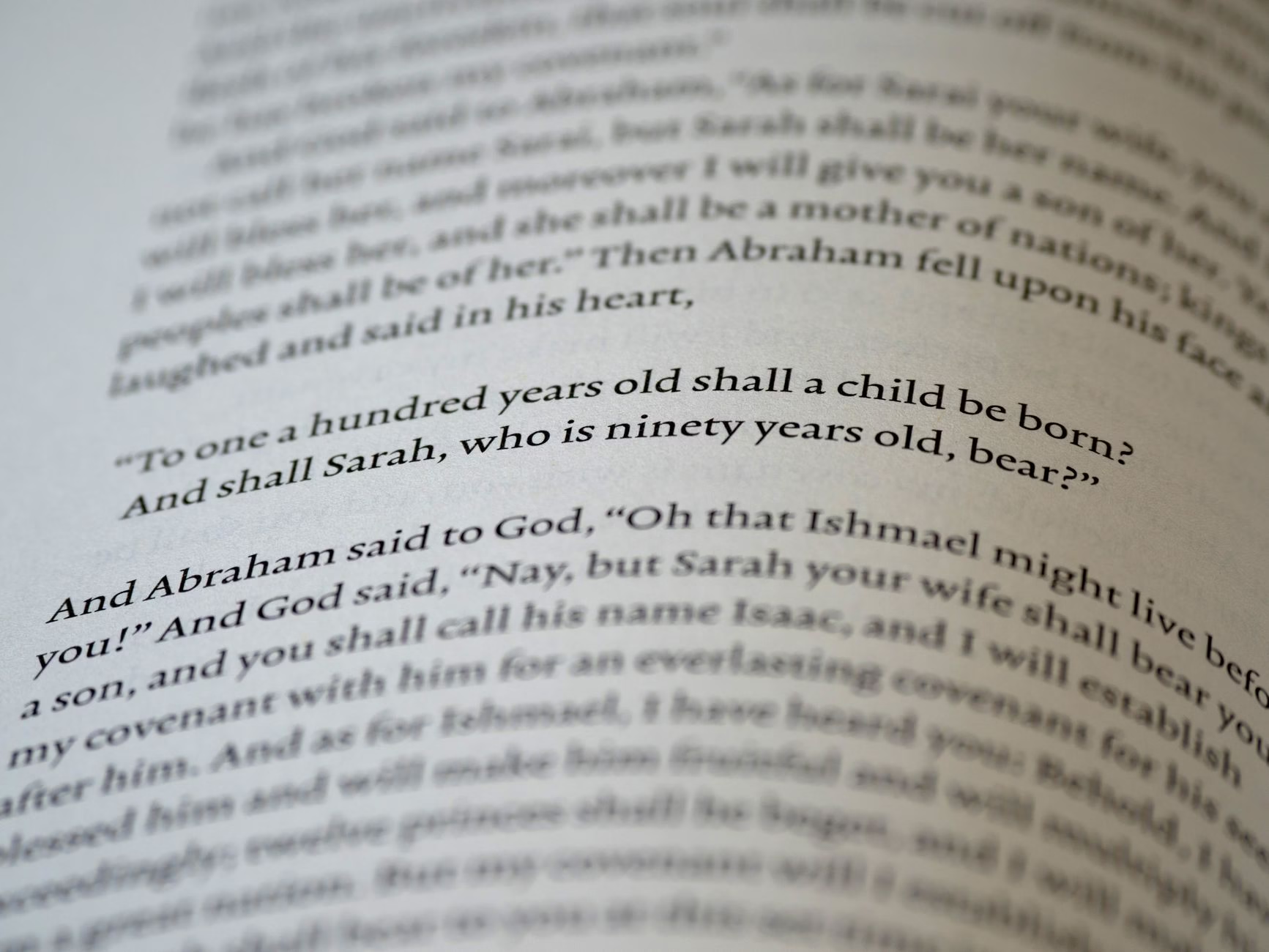
Genesis 18:12: "So Sarah laughed to herself as she thought, 'After I am worn out and my lord is old, will I now have this pleasure?'"
Sarah initially laughed at the prospect of having a child at her advanced age. This verse illustrates her human side, filled with doubt, yet she ultimately witnessed the fulfillment of God's promise.
The Fulfillment of the Promise
Genesis 21:1-3: "Now the Lord was gracious to Sarah as he had said, and the Lord did for Sarah what he had promised. Sarah became pregnant and bore a son to Abraham in his old age, at the very time God had promised him. Abraham gave the name Isaac to the son Sarah bore him."
Here, we see the culmination of God's promise to Sarah, a testament to her faith and the certainty that divine promises are fulfilled in due time.
Lessons from Sarah's Journey
Sarah's narrative offers several key lessons applicable to our modern lives. Her story serves as a reminder that faith often involves waiting and trusting in divine timing. Despite periods of doubt and impatience, Sarah's ultimate faith in God was rewarded.
Patience in Waiting
- Waiting for God’s promises requires patience and trust, as exemplified by Sarah’s eventual joy after years of barrenness.
The Power of Faith
- Sarah’s inclusion in the Hall of Faith (Hebrews 11:11) reminds us that faith can sometimes waver, but persistent belief in God's plan is ultimately fulfilling.
Embracing Humanity
- Sarah's laughter and initial disbelief highlight that it's natural to have doubts. The key is to remain steadfast in faith and trust in God's plans.
Conclusion
The story of Sarah is a testament to the power of faith, the challenges of waiting, and the inevitability of God's promises. Her journey from doubt to fulfillment is a powerful narrative that resonates with readers today. As we navigate our paths, Sarah's life encourages us to hold on to hope, exercise patience, and trust in a higher purpose. Whether we identify with Sarah's initial skepticism or her eventual joy, her story is a timeless lesson in the power of faith and the reliability of divine promises.
Understanding the story of Sarah invites us to reflect on our own pursuits of faith and patience. In doing so, we might find ourselves emboldened by her example, holding firm to the promises yet to be realized in our lives.
Key Takeaways
- Sarah's story exemplifies enduring faith despite doubt.
- Her journey highlights the importance of patience in waiting for God's promises.
- Sarah's laughter reflects our human tendencies of skepticism.
- The fulfillment of God's promise to her is a testimony to His faithfulness.
Embrace Patience in Your Faith Journey
Like Sarah, remember that waiting can be a part of faith. Trust God's perfect timing as you navigate your own challenges.
Frequently Asked Questions
What does Sarah's name change signify?
God changed Sarai's name to Sarah, meaning 'princess,' which signified her new role as the mother of nations (Genesis 17:15-16).
How did Sarah respond to God's promise?
Initially, Sarah laughed in disbelief at the idea of having a child at her old age, reflecting her human doubts (Genesis 18:12).
What lessons can we learn from Sarah's life?
Sarah's life teaches us about faith, the necessity of patience, and the importance of trusting in God's promises despite doubts.
Where is Sarah mentioned in the New Testament?
Sarah is mentioned in the New Testament's 'Hall of Faith' in Hebrews 11:11, recognizing her enduring faith.
The Bottom Line
Sarah's story is an inspiring reminder that faith can take many forms, including moments of doubt. As you reflect on her journey, may you find encouragement to trust in God's promises and timing in your own life.