Understanding the Bible Verse: It Is Not Good for Man to Be Alone
Explore the meaning behind the Bible verse 'It Is Not Good For Man To Be Alone' and discover God's intention for relationships and community.

Key Takeaways
- The verse highlights God's design for companionship.
- Relationships are vital for spiritual growth and support.
- Understanding loneliness in a biblical context.
- Practical steps to foster community and connection.
The profound statement found in Genesis 2:18, “It is not good for man to be alone,” resonates deeply within the fabric of human experience. This verse, spoken by God in the midst of creation, serves as a reminder of the intrinsic need for companionship and community. As we explore this verse, we will uncover its implications not only for personal relationships but also for our spiritual lives.
In a world that often emphasizes individualism, the biblical perspective calls us to recognize the importance of relationships. Throughout Scripture, God emphasizes His desire for us to be in community. This article will delve into what this means for us today, providing encouragement and practical steps to embrace the blessings of companionship.
Understanding the context of Genesis 2:18 is crucial. This verse comes after the creation of the first man, Adam, and God’s declaration of the goodness of His creation. Yet, amid all that goodness, God identifies a deficiency, the need for a partner. This insight invites us to reflect on our own lives and the relationships we cultivate.
The Context of Genesis 2:18
To grasp the meaning of “It is not good for man to be alone,” we must first consider its context within the creation narrative. In Genesis 1, we see God creating the world, declaring each aspect of His creation as “good.” However, when He creates man, He makes a notable observation: even in a perfect world, something was lacking. God states in Genesis 2:18, “It is not good for the man to be alone; I will make a helper suitable for him.” This declaration sets the stage for the creation of woman, emphasizing the need for companionship.
In Genesis 2:19-20, we read how God brings animals to Adam to name them, yet none proves to be a suitable helper. This process illustrates God’s intention to highlight the importance of meaningful relationships. Adam’s experience of solitude is not merely about physical presence; it encompasses emotional and spiritual companionship.
The relationship between Adam and Eve serves as a foundational model for human relationships. Their companionship demonstrates that God designed us to live in connection with one another. This divine intention reveals God’s character: He is relational, and He desires us to reflect that aspect of His nature in our lives.
The Importance of Relationships
Relationships are not just a social construct; they are a divine mandate. The Bible consistently underscores the value of community. In Ecclesiastes 4:9-10, we read, “Two are better than one, because they have a good return for their labor: If either of them falls down, one can help the other up.” This passage illustrates the practical benefits of companionship. We are stronger together, able to support and uplift one another through the challenges of life.
Furthermore, relationships provide opportunities for spiritual growth. In Proverbs 27:17, it is written, “As iron sharpens iron, so one person sharpens another.” Engaging with others in faith challenges us to grow, to learn, and to reflect Christ’s love more fully. Our interactions with fellow believers can inspire us to pursue holiness and encourage us during difficult times.
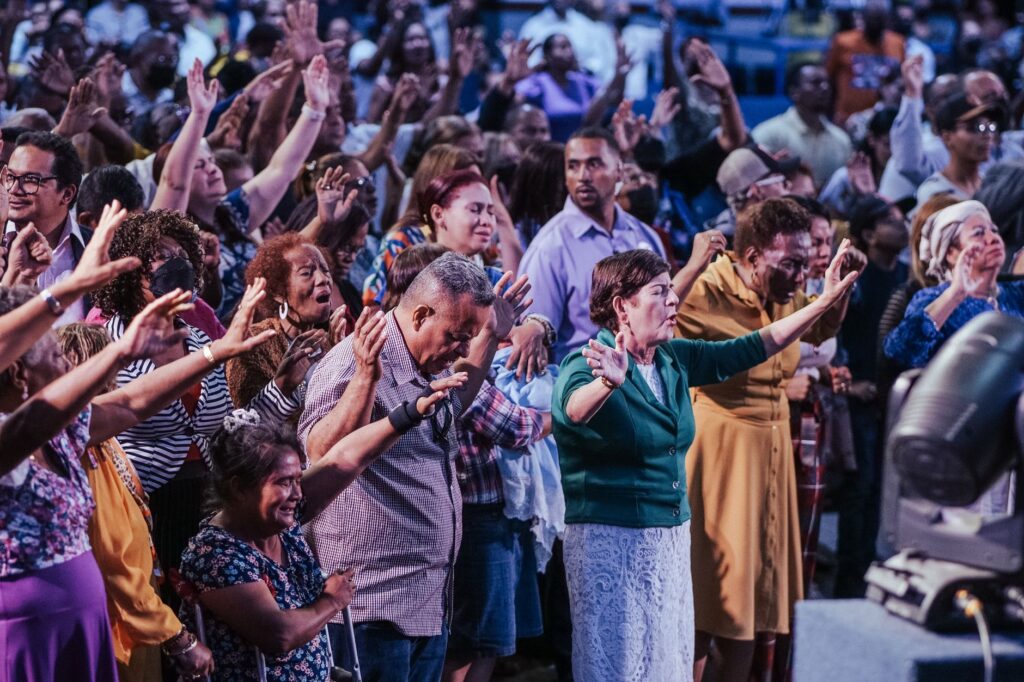
Consider the example of a local church. When members come together to support one another, they create a nurturing environment that fosters faith, love, and encouragement. Whether through small groups, prayer meetings, or simple gatherings, these relationships are vital for spiritual nourishment.
Understanding Loneliness in a Biblical Context
Loneliness is a profound human experience, but it is essential to understand it within a biblical framework. While Genesis 2:18 highlights the need for companionship, it is crucial to acknowledge that loneliness can also serve a purpose. In Psalm 25:16, David cries out, “Turn to me and be gracious to me, for I am lonely and afflicted.” This plea reveals that loneliness can draw us closer to God, prompting us to seek His presence.
Additionally, Jesus experienced loneliness during His earthly ministry. In Matthew 26:38, He expresses to His disciples, “My soul is overwhelmed with sorrow to the point of death. Stay here and keep watch with me.” Even in His moments of deepest anguish, Jesus knew the value of companionship. This illustrates that even the most profound relationships can sometimes fall short in meeting our most profound needs.
When we face loneliness, it is vital to remember that God is with us. Isaiah 41:10 reassures us, “So do not fear, for I am with you; do not be dismayed, for I am your God.” Embracing this truth can transform our loneliness into an opportunity for deeper intimacy with God. While human companionship is essential, our ultimate fulfillment comes from our relationship with our Creator.
Practical Steps to Foster Community
Building and nurturing relationships is an intentional process. Here are some practical steps to foster community in your life:
- Engage in a Local Church: Find a community of believers where you can connect, participate in worship, and grow together.
- Join a Small Group: Small groups provide an intimate setting for sharing life, studying the Bible, and praying together.
- Serve Together: Volunteering for church activities or community service can strengthen bonds as you work towards a common goal.
- Be Vulnerable: Share your struggles and joys with trusted friends. Authenticity fosters deeper connections.
- Reach Out: Don’t wait for others to approach you. Take the initiative to invite someone for coffee or a meal.
- Pray for One Another: Commit to praying for the needs of your community and encourage others to do the same.
These steps may require effort and vulnerability, but the rewards are immeasurable. Companionship enriches our lives and deepens our faith.
God’s Design for Marriage
While Genesis 2:18 speaks to the general need for companionship, it also has specific implications for marriage. God designed marriage as a covenant relationship, a sacred bond between a man and a woman. Ephesians 5:31-32 quotes Genesis, emphasizing that a husband and wife become one flesh, reflecting the unity intended by God.
Marriage is not merely a social contract; it is a divine partnership. It provides a unique context for love, support, and growth. Within marriage, couples can experience the fullness of companionship that God intended. They can navigate life’s challenges together, celebrate victories, and grow in their faith.
However, it is essential to recognize that not everyone is called to marriage. The Apostle Paul speaks in 1 Corinthians 7:7 about the gift of singleness. Whether single or married, every individual is called to build meaningful relationships that reflect God’s love.

Encouragement for the Lonely
For those experiencing loneliness, it is crucial to remember that you are not alone in your feelings. Many biblical figures faced loneliness, yet they turned to God for solace. The story of Elijah in 1 Kings 19 illustrates this. After a significant victory, he felt isolated and alone, but God met him in his despair and provided the support he needed.
If you find yourself wrestling with loneliness, consider these actions:
- Reach Out for Help: Talk to a trusted friend or family member about how you feel.
- Engage in Worship: Spend time in worship and prayer, inviting God into your loneliness.
- Seek Professional Support: Sometimes, talking to a counselor can provide valuable guidance and perspective.
God desires to meet you in your loneliness, and He often uses others to show His love and care. Stay open to the ways He may bring companionship into your life.
Building Spiritual Connections
The Role of the Church in Community
The church serves as a vital community for believers, acting as the body of Christ (1 Corinthians 12:27). Within this community, individuals are encouraged to use their gifts for the common good (1 Corinthians 12:7). This is not merely a social gathering; it is a spiritual family where members support one another in faith, prayer, and service.
In Acts 2:42-47, we see a vivid example of the early church’s communal life. They devoted themselves to the apostles’ teaching, fellowship, breaking of bread, and prayer. This illustrates that spiritual connections are not just beneficial but essential for growth in faith.
- Teaching and learning together
- Sharing life experiences
- Serving in ministry together
- Praying for one another
These activities foster a deep sense of belonging and accountability among believers, reflecting God’s desire for us to not be isolated but to thrive in community.
The Importance of Mentorship
Mentorship is another significant aspect of building spiritual connections. In Titus 2:3-5, older women are encouraged to teach younger women, fostering a relationship that helps guide the younger generation in faith and living. Similarly, Paul’s relationship with Timothy exemplifies the value of mentorship (2 Timothy 1:5). These relationships promote spiritual growth and help individuals navigate the complexities of life.
Mentorship provides a framework for sharing wisdom and experiences, as well as offering encouragement during challenging times. When we engage in mentorship, we fulfill the command to bear one another’s burdens (Galatians 6:2), creating an environment of support and love.
- Identify a mentor who can guide you in faith.
- Be open to sharing your experiences with others.
- Engage in meaningful discussions that foster growth.

Understanding the Nature of Biblical Friendship
<h3 Characteristics of Godly Friendships
Friendship is a profound aspect of human relationships, and the Bible offers insight into what constitutes a godly friendship. Proverbs 27:17 states, “As iron sharpens iron, so one person sharpens another.” This verse suggests that true friends help each other grow, challenge one another, and encourage spiritual maturity.
Godly friendships are marked by honesty, loyalty, and support. In Ecclesiastes 4:9-10, we learn that two are better than one because they have a good return for their labor. If one falls, the other can lift them up, illustrating the importance of having friends who will be there in times of need.
- Honesty and transparency in communication
- Loyalty and commitment to one another
- Encouragement to pursue God’s will
The Example of David and Jonathan
The friendship between David and Jonathan serves as a remarkable biblical example of deep and sacrificial friendship. Despite the challenges posed by Jonathan’s father, King Saul, their bond remained strong, as seen in 1 Samuel 18:1-3. Jonathan recognized David’s calling and supported him, even at the risk of his own position.
This friendship exemplifies selflessness, as Jonathan willingly helped David escape danger (1 Samuel 20:42). Their covenant relationship reflects the type of loyalty and commitment that should characterize our friendships today. Friends should uplift one another, even in the face of adversity, demonstrating a love that mirrors Christ’s love for His church (Ephesians 5:25).
- Stand by your friends in challenging times.
- Celebrate each other’s successes.
- Pray for one another regularly.
Embracing the Gift of Family
The Family as a Reflection of God’s Design
The family unit is foundational in God’s design for humanity, as seen in Genesis 2:24, which emphasizes the union of a husband and wife. Families serve as the first context for relationships, teaching love, respect, and commitment. Proverbs 22:6 encourages us to train up a child in the way they should go, highlighting the importance of nurturing faith within the family.
Families are intended to reflect God’s love and grace. In Ephesians 6:1-4, children are instructed to obey their parents, while parents are reminded to raise their children in the instruction of the Lord. This mutual respect and guidance create a loving environment where each member can flourish.
- Encourage open communication within the family.
- Engage in family devotions and prayer.
- Model Christ-like behavior for your children.
The Role of Extended Family and Community
Beyond the immediate family, extended family and community play crucial roles in fulfilling the command to not be alone. In 1 Peter 4:10, we are called to use our gifts to serve others, which can extend to neighbors and friends. Building relationships with those outside our immediate family can provide additional support and encouragement.
In times of crisis, extended family and community can be a source of strength and comfort. In Romans 12:10, we are instructed to love one another with brotherly affection and honor one another above ourselves, which reflects the importance of a broader community supporting one another.
- Invite extended family members into your life.
- Participate in community events to build relationships.
- Offer help and support to neighbors in need.
Frequently Asked Questions
What does “It is not good for man to be alone” mean?
This verse emphasizes God’s design for companionship and relationships. It highlights the importance of community and support in our lives.
How can I combat feelings of loneliness?
Engaging with your community, reaching out to friends, and spending time in prayer can help alleviate loneliness. Building meaningful connections is key.
Is this verse only about marriage?
While it addresses marriage, the principle extends to all forms of relationships. God desires for us to experience companionship in various ways.
How can I find a supportive community?
Consider joining a local church, participating in small groups, or volunteering in community services to connect with others.
The Bottom Line
Genesis 2:18 reminds us that companionship is a vital aspect of human existence. Whether through marriage, friendships, or community, God designed us to be in relationship with one another. Embracing this truth allows us to experience the fullness of life that God intended. As we navigate the complexities of relationships, let us seek to foster connections that reflect God’s love and grace in our lives.
Keep reading
More Church & Community →


Weekly encouragement
Grow in the Word, one email at a time.
Free Bible study guides, prayer help and a verse to carry through your week. No spam, unsubscribe anytime.
Join the conversation