It Takes A Village To Raise A Child: Biblical Insights and Guidance
Explore the Bible's teachings on community and parenting in 'It Takes A Village To Raise A Child' for encouragement and practical wisdom.

Key Takeaways
- Community is essential in child-rearing.
- Scripture emphasizes the importance of shared responsibility.
- The role of the church and extended family is vital.
- Encouragement from others can shape a child's faith.
Raising children is an immense responsibility, one that often feels overwhelming for many parents. The phrase ‘It takes a village to raise a child’ encapsulates the idea that child-rearing is not solely the job of parents but involves a wider community. This biblical principle is deeply rooted in Scripture, where we see various examples of collective responsibility in nurturing and guiding the younger generation. In a world that can often feel isolating, understanding the role of community in parenting can provide comfort and strength.
The Bible teaches us that children are a gift from God, as seen in Psalm 127:3, which states, ‘Children are a heritage from the Lord, offspring a reward from him.’ This gift comes with the duty to raise them in a way that aligns with God’s principles, making it essential for parents to seek support from their community. The importance of shared responsibility in raising children is echoed throughout the Scriptures and is a call for the church, family, and friends to engage actively in the lives of children.
As we explore the concept of community in child-rearing, we will examine relevant biblical passages, highlight practical ways to foster supportive relationships, and encourage a mindset of collaboration in nurturing our youth.
The Biblical Foundation of Community in Parenting
The Bible is rich with examples that emphasize the importance of community in raising children. From the Old Testament to the New Testament, we find various instances where God’s people are called to care for one another, especially the younger generation. One of the most poignant examples is found in Deuteronomy 6:6-7, where it is written, ‘These commandments that I give you today are to be on your hearts. Impress them on your children. Talk about them when you sit at home and when you walk along the road, when you lie down and when you get up.’
This passage highlights the responsibility of parents to teach their children about God’s commandments, but it also implies that this teaching is not limited to the home. The phrase ‘talk about them’ suggests that discussions about faith and values should happen in various settings, including with friends, family, and community members. This reinforces the idea that a child’s spiritual foundation is best built within a community that shares and supports these teachings.
Moreover, Proverbs 22:6 states, ‘Start children off on the way they should go, and even when they are old they will not turn from it.’ This verse emphasizes the long-term impact of early guidance, which can be significantly enhanced through the involvement of a caring community. When a child sees their parents and other adults in their life modeling faith and morals, it creates a consistent framework that helps them grow into responsible adults.
Examples of Community Support in the Bible
Throughout the Bible, we encounter numerous instances where community plays a crucial role in the upbringing of children. Here are a few notable examples:
- Moses and Jethro: In Exodus 18, Moses receives counsel from his father-in-law Jethro on how to lead the people of Israel. Jethro’s advice not only helps Moses but also ensures that the future generations of Israelites have wise leadership.
- Hannah and Eli: In 1 Samuel 1, Hannah dedicates her son Samuel to the Lord, and Eli the priest takes on a mentorship role. This relationship exemplifies how community leaders can play a pivotal role in a child’s spiritual development.
- Jesus and His Disciples: Jesus surrounded Himself with a community of disciples who learned from Him and supported one another. This model of shared learning and growth is a powerful example for parents today.
The Role of the Church in Child-Rearing
The church serves as a vital support system for families. Its role extends beyond the Sunday service; it is a place where families can connect, grow, and support one another. In Ephesians 4:11-13, Paul emphasizes the importance of the church body: ‘So Christ himself gave the apostles, the prophets, the evangelists, the pastors and teachers, to equip his people for works of service, so that the body of Christ may be built up until we all reach unity in the faith and in the knowledge of the Son of God.’
This passage underlines the church’s purpose in equipping individuals for service, which includes raising children in the faith. A well-functioning church community provides resources, mentorship, and a supportive environment for both parents and children. Programs such as Sunday School, youth groups, and family events create opportunities for children to learn about God while fostering relationships with other believers.
Moreover, the church can help bridge the gap between generations. Older members can share their experiences and wisdom with younger families, creating an atmosphere of learning and encouragement. Titus 2:4-5 instructs older women to train younger women to love their families, which highlights the importance of intergenerational support in parenting.
Practical Ways to Engage with Your Church Community
To fully benefit from the support of a church community, families can take proactive steps to engage:
- Participate in Family Events: Attend church picnics, retreats, and family nights. These gatherings foster connections among families and create a sense of belonging.
- Volunteer Together: Serving as a family in church ministries not only strengthens family bonds but also models the importance of community service to children.
- Join a Small Group: Small groups provide a more intimate setting for sharing and support. Families can benefit from the prayers and advice of fellow believers.

The Importance of Extended Family
In addition to the church, extended family members play a crucial role in the nurturing of children. The Bible recognizes the significance of grandparents, aunts, uncles, and other relatives in the upbringing of the young. Proverbs 17:6 states, ‘Children’s children are a crown to the aged, and parents are the pride of their children.’ This illustrates the reciprocal relationship between generations, where the wisdom of the older generation can influence the younger.
Grandparents, in particular, have a unique opportunity to impart wisdom and values. Their life experiences and stories can provide children with a sense of identity and belonging. In 2 Timothy 1:5, Paul mentions how Timothy’s sincere faith was first present in his grandmother Lois and his mother Eunice, showing the powerful legacy of faith passed down through generations.
Moreover, the involvement of extended family can alleviate some of the pressures faced by immediate family units. Having a support network allows parents to share responsibilities, seek advice, and even gain assistance in childcare when needed.
Ways to Foster Relationships with Extended Family
Building strong relationships with extended family members can enhance the nurturing environment for children. Here are some suggestions:
- Regular Family Gatherings: Schedule get-togethers, whether for holidays or casual BBQs, to strengthen family ties.
- Share Family Traditions: Engage children in family customs that promote a sense of historical continuity.
- Encourage Communication: Use technology to maintain relationships with faraway relatives through video calls or social media.
The Power of a Supportive Community
Having a supportive community is essential for both parents and children. Parenting can be isolating, and having others to share the journey with can alleviate some of the stress. The Bible encourages believers to bear one another’s burdens, as stated in Galatians 6:2: ‘Carry each other’s burdens, and in this way, you will fulfill the law of Christ.’
When community members come together to support families, they create an environment where children can thrive. This collective support can take many forms, from practical help with childcare to emotional support during difficult times. Parents can lean on friends for advice or simply to share their experiences, knowing they are not alone in their struggles.
For example, imagine a single mother named Sarah who finds herself overwhelmed with her responsibilities. She turns to her church community for support. Through a meal train organized by her friends, she receives meals for a week, allowing her to have more time to spend with her children. Additionally, she finds a listening ear in another member who has gone through similar experiences, providing her with valuable encouragement and advice.
Creating a Culture of Support
To foster a culture of support within a community, it’s essential to encourage open communication and active participation. Here are some ways to create this culture:
- Organize Parenting Workshops: Offer workshops that address common parenting challenges and promote sharing of ideas and strategies.
- Establish Prayer Groups: Create prayer circles specifically for parents, allowing them to lift each other up in prayer.
- Build Mentorship Programs: Pair experienced parents with those who are newer to parenting for guidance and support.

Encouragement for Parents
Parenting is a demanding job, and it is easy to feel discouraged at times. The Bible offers many verses that provide encouragement and remind parents of their essential role. For instance, in Philippians 4:13, we read, ‘I can do all this through him who gives me strength.’ This verse reassures parents that they are not alone in their journey and that they can rely on God’s strength.
Additionally, James 1:5 encourages believers to seek wisdom: ‘If any of you lacks wisdom, you should ask God, who gives generously to all without finding fault, and it will be given to you.’ This promise of divine guidance is vital for parents as they navigate the complexities of raising children.
Furthermore, parents should not hesitate to seek help when needed. Reaching out for support is a sign of strength, not weakness. Whether it’s through a church community, family, or friends, asking for assistance can lead to invaluable relationships that enhance the parenting experience.
Tips for Finding Encouragement
To cultivate encouragement in your parenting journey, consider these practical tips:
- Read Scripture Together: Incorporating family devotions can instill biblical principles while fostering a sense of unity.
- Join Parenting Groups: Engage with other parents who share similar values and challenges, building a supportive network.
- Attend Church Services: Regular attendance not only nurtures spiritual growth but also strengthens community ties.
Building a Network of Mentors
Identifying Potential Mentors
In the journey of parenting, having mentors can provide invaluable wisdom and guidance. A mentor is someone who walks alongside you, sharing insights from their experiences and helping you navigate challenges. In Proverbs 27:17, we read, ‘As iron sharpens iron, so one person sharpens another.’ This verse underscores the importance of surrounding ourselves with individuals who can contribute positively to our growth as parents.
- Consider elder members of your church who have raised children successfully.
- Look for parents of older children who can share lessons learned.
- Seek out individuals with a deep understanding of Scripture and parenting principles.
Engaging with a Mentor
Once you have identified potential mentors, the next step is to engage with them. This can be done through informal coffee meetings, structured mentoring programs, or even by simply reaching out for advice when challenges arise. According to Titus 2:4-5, older women are encouraged to train younger women in how to love their families. This principle applies to all mentorship relationships, emphasizing the importance of intentional engagement.
Ask specific questions and be open about the struggles you face. This honesty will foster deeper connections and allow mentors to provide tailored advice.
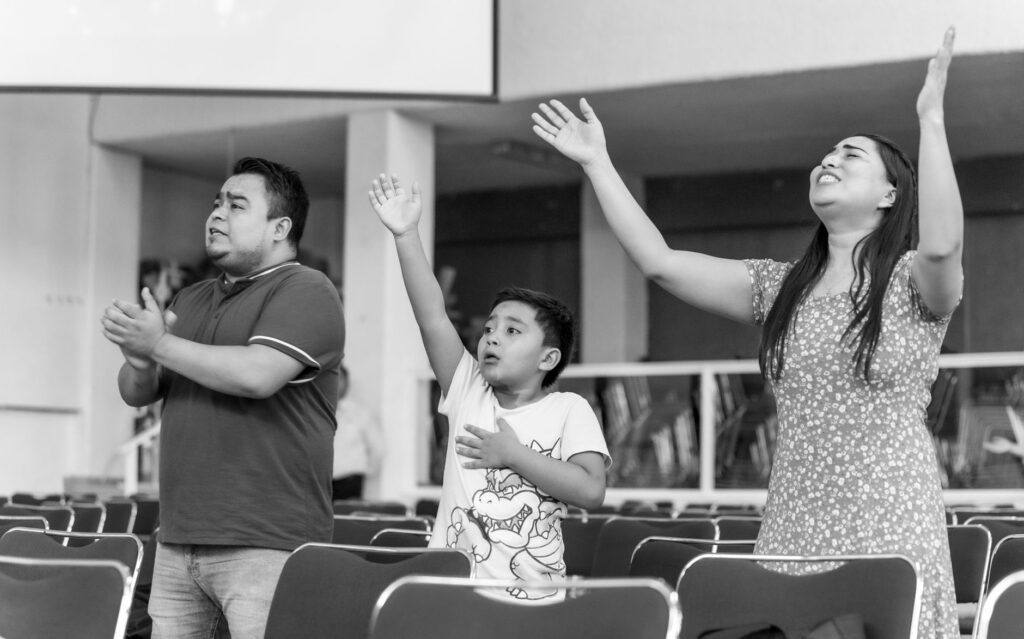
Cultivating a Spirit of Service in Children
The Biblical Call to Serve
Teaching children the value of service is essential in raising them within a community framework. In Mark 10:45, Jesus states, ‘For even the Son of Man did not come to be served, but to serve, and to give his life as a ransom for many.’ This sets a powerful example for children to follow. By engaging them in acts of service, you instill a sense of responsibility and compassion.
- Volunteer together at local charities.
- Participate in church outreach programs.
- Encourage them to help neighbors in need.
Practical Ways to Involve Children in Service
Involving children in service can be both educational and fulfilling. Here are some practical ways:
- Organize a family food drive, encouraging them to collect items.
- Help them set up a lemonade stand, donating proceeds to a charitable cause.
- Encourage them to write letters to missionaries or those in need, fostering a heart of empathy.
>By making service a family affair, children learn the joy of giving and the importance of community.
Creating a Culture of Prayer in Parenting
The Power of Prayer in Parenting
Prayer is a vital component in raising children within a community. James 5:16 reminds us, ‘The prayer of a righteous person is powerful and effective.’ Regularly praying for your children and with them encourages a reliance on God and fosters spiritual growth. It also strengthens the bond within your family and the larger community.
Incorporating Prayer into Daily Life
Here are some ways to integrate prayer into your family’s daily routine:
- Establish a morning prayer ritual before school or activities.
- Encourage children to pray for their friends and community needs.
- Set aside time for family prayer nights, discussing specific prayer requests.
>By making prayer a consistent practice, you help children understand its significance and create a community that supports each other spiritually.
Frequently Asked Questions
What does the Bible say about the role of community in parenting?
The Bible emphasizes the importance of community in raising children through shared responsibilities and mutual support. Passages like Deuteronomy 6:6-7 encourage parents to involve the community in teaching their children about God.
How can I engage my church in supporting my parenting journey?
Participating in church activities, volunteering, and joining small groups can foster relationships that provide support. Engaging with fellow parents can also create a network of encouragement.
What are some practical ways to involve extended family in raising children?
Regular family gatherings, sharing traditions, and maintaining open lines of communication can help involve extended family members in a child’s life, enhancing their upbringing.
How can I find encouragement as a parent?
Reading Scripture, joining parenting groups, and connecting with other parents in your community can provide much-needed encouragement and support in your parenting journey.
The Bottom Line
It truly takes a village to raise a child, and the Bible supports this truth through numerous teachings and examples. By embracing the role of community in our parenting journeys, we can create a nurturing environment that benefits children and parents alike. From the church to extended family, seeking support and encouragement is essential for raising the next generation in faith and love.
Keep reading
More Children & Youth →



Weekly encouragement
Grow in the Word, one email at a time.
Free Bible study guides, prayer help and a verse to carry through your week. No spam, unsubscribe anytime.
Join the conversation