God Uses Doctors To Heal: Understanding Biblical Perspectives
Explore how the Bible affirms that God uses doctors to heal, with key verses and practical insights for believers seeking understanding.
Key Takeaways
- God's healing often works through medical professionals.
- The Bible references the importance of wise counsel and care.
- Understanding God's sovereignty in healing is essential.
- Faith and medicine can work hand in hand.
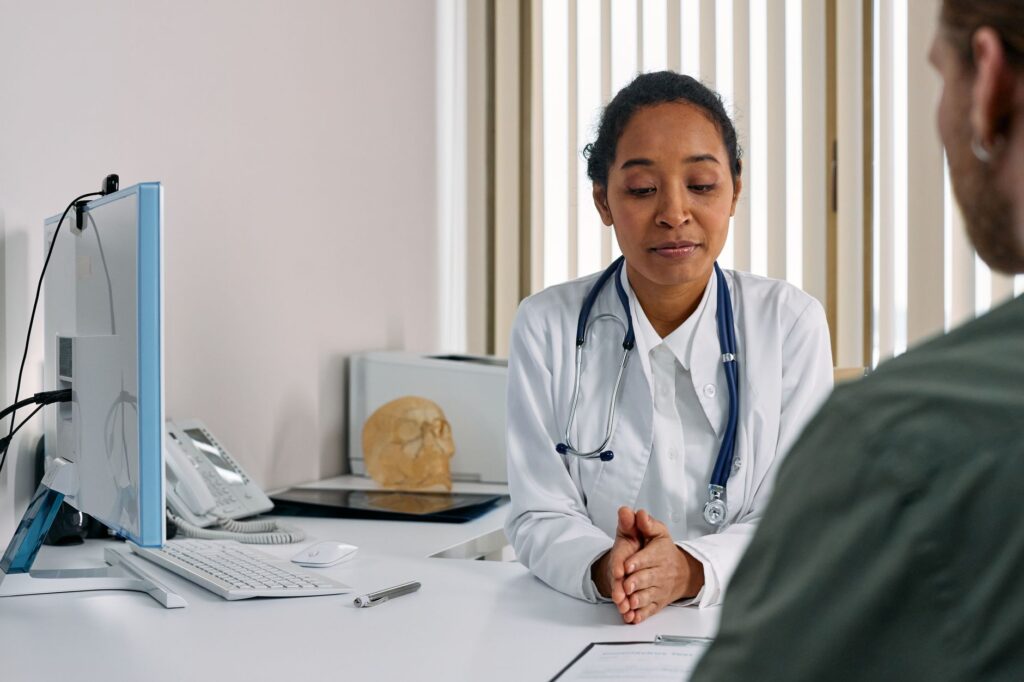
In times of sickness and health challenges, many Christians seek reassurance that God is involved in the healing process. The phrase “God Uses Doctors To Heal” speaks volumes about the intersection of faith and medicine. It reflects an understanding that God is sovereign over all aspects of life, including our physical well-being, and often chooses to work through qualified medical professionals.
Throughout Scripture, we see that God cares deeply about our health. While miraculous healings are scattered throughout the Bible, they do not negate the role of doctors and medical practitioners. Instead, they highlight God’s provision for healing through various means. This article will explore key biblical verses, personal illustrations, and practical insights regarding how God can use doctors in the healing process.
As we journey through this topic, we will ground our discussion in Scripture, seeking both encouragement and understanding for those who may be struggling with health issues or seeking guidance for their loved ones.
God’s View of Health and Healing
The Bible establishes that God values our health and desires for us to prosper in every aspect of our lives. In 3 John 1:2, it is written, “Beloved, I pray that you may prosper in all things and be in health, just as your soul prospers.” This verse indicates a holistic view of well-being, where spiritual, physical, and emotional health are interconnected.
Healing is a theme woven throughout Scripture. For instance, in Psalm 103:2-3, we read, “Bless the Lord, O my soul, and forget not all His benefits: Who forgives all your iniquities, Who heals all your diseases.” This passage emphasizes that God not only forgives our sins but also provides healing from our ailments. It illustrates God’s compassionate nature, showing that He cares for the entirety of our existence.
Moreover, God is often depicted as a healer in the Bible. Exodus 15:26 states, “I am the Lord who heals you.” This declaration affirms God’s role as the ultimate healer. However, it also opens the door for God to work through others, including healthcare providers, to fulfill His healing purposes.
The Role of Doctors in God’s Healing Plan
Doctors and other healthcare professionals are often seen as instruments through which God administers healing. In the same way that God provides food through farmers and shelter through builders, He can also provide healing through doctors. The Bible acknowledges the wisdom and skills of those trained in medicine.
In Luke 5:31, Jesus Himself recognizes the importance of doctors when He says, “Those who are well have no need of a physician, but those who are sick.” This statement not only affirms the necessity of medical care but also reflects Jesus’ understanding of human suffering and the need for healing. Here, the physician is portrayed as a vital part of the healing process.
Moreover, in Jeremiah 8:22, the prophet asks, “Is there no balm in Gilead? Is there no physician there?” This rhetorical question highlights the importance of medical care and suggests that healing should be sought with the help of skilled practitioners. The absence of a physician symbolizes a lack of hope and healing, reinforcing the idea that God can use doctors to bring about restoration.

Understanding God’s Sovereignty in Healing
It is essential to recognize that while God uses doctors to heal, His sovereignty remains paramount. Healing can come in various forms, through miraculous intervention, the use of medicine, or a gradual recovery process. Each situation is unique, and God’s ways are often beyond our understanding.
For instance, consider the story of a woman who faced a severe illness. After much prayer and seeking God’s guidance, she decided to undergo treatment prescribed by her doctor. Throughout her journey, she remained prayerful, believing that God was at work both in her heart and through her medical team. Ultimately, her healing came not just from the prescribed medications but also through the prayers of her family and community, illustrating the multifaceted nature of God’s healing methods.
Proverbs 3:5-6 advises, “Trust in the Lord with all your heart, and lean not on your own understanding; in all your ways acknowledge Him, and He shall direct your paths.” This passage encourages believers to trust God’s plan, even when it involves seeking help from doctors. Recognizing God’s authority over our health invites us to remain open to His guidance, whether through miraculous healing or medical intervention.
The Importance of Wise Counsel
Throughout the Bible, wisdom is highly valued, especially in matters of health and healing. Proverbs 11:14 states, “Where there is no counsel, the people fall; but in the multitude of counselors, there is safety.” This emphasizes that seeking medical advice is a wise course of action. God has gifted doctors with knowledge and understanding that can aid in our healing.
When facing health challenges, it is prudent to consult medical professionals who have undergone extensive training. Their expertise can provide insights that may be crucial for recovery. Additionally, counselors, therapists, and spiritual leaders can offer support, guidance, and encouragement during difficult times.
Furthermore, James 1:5 encourages us to seek wisdom: “If any of you lacks wisdom, let him ask of God, who gives to all liberally and without reproach, and it will be given to him.” This verse reassures us that God desires to provide us with wisdom in our decision-making, including when to seek medical help.
Faith and Medicine: A Complementary Relationship
Many Christians grapple with the relationship between faith and medicine. Some may feel that relying on doctors diminishes their faith in God’s healing power. However, the Bible illustrates that faith and medicine are not mutually exclusive; they can work in harmony.
In Mark 5:34, Jesus tells a woman who had been healed, “Daughter, your faith has made you well; go in peace and be healed of your affliction.” This story emphasizes the importance of faith in the healing process. Yet, it does not negate the fact that the woman had also sought medical help for her condition.
By embracing both faith and medicine, believers can find reassurance in God’s sovereignty. They can trust that seeking medical treatment is not a lack of faith but rather a demonstration of wisdom and a recognition of God’s provision through healthcare professionals.

Practical Steps for Seeking Healing
When faced with health issues, it can be overwhelming to navigate the options available. Here are some practical steps to consider:
- Pray for Guidance: Begin by seeking God’s wisdom and guidance in prayer. Ask Him to lead you to the right healthcare professionals and to provide comfort in the process.
- Research Healthcare Providers: Take time to research doctors and specialists who align with your needs. Look for reviews, credentials, and areas of expertise.
- Consult Trusted Advisors: Discuss your situation with trusted friends, family, or spiritual leaders who can offer support and perspective.
- Be Open and Honest: When visiting a doctor, be open and honest about your symptoms and concerns. A good doctor will appreciate transparency and can provide the best care possible.
- Trust God’s Plan: Throughout the healing process, maintain your faith in God’s plan, whether it leads to miraculous healing, gradual improvement, or a different outcome.
These steps can help foster a sense of peace and purpose as you navigate health challenges, trusting in God’s provision through both faith and medicine.
The Biblical Basis for Medical Knowledge
The Gift of Wisdom and Understanding
In the Bible, knowledge and wisdom are often portrayed as gifts from God that are essential for making sound decisions. James 1:5 (ESV) states, “If any of you lacks wisdom, let him ask of God, who gives generously to all without reproach, and it will be given to him.” This encouragement shows that seeking divine wisdom is vital, especially for those in the medical profession. Doctors often rely on both their education and their faith to navigate complex health issues, highlighting the importance of integrating spiritual discernment with scientific knowledge.
Furthermore, Proverbs 2:6 (ESV) reminds us, “For the Lord gives wisdom; from his mouth come knowledge and understanding.” This verse affirms that understanding the human body and the intricacies of health are not only academic pursuits but also spiritually significant endeavors. God has endowed medical professionals with the ability to study, learn, and apply their knowledge to help others, making their work a form of ministry.
<h3.Scriptural Examples of Medical Practice
The Bible contains several examples that illustrate the importance of medical knowledge. In Luke 10:34 (ESV), the Good Samaritan is depicted as someone who not only showed compassion but also employed practical medical skills: “He went to him and bound up his wounds, pouring on oil and wine. Then he set him on his own animal and brought him to an inn and took care of him.” This story emphasizes the intersection of care and medical intervention.
Another noteworthy figure is Paul, who, despite his apostolic mission, recognized the value of physical well-being. In 1 Timothy 5:23 (ESV), he advises Timothy, “No longer drink only water, but use a little wine for the sake of your stomach and your frequent ailments.” Paul acknowledges the importance of addressing physical health concerns with practical, medical advice. These examples help us understand that caring for our bodies is an integral part of our faith journey.
The Role of Prayer in Medical Decisions
While medical knowledge is essential, prayer remains a crucial part of the healing process. Philippians 4:6-7 (ESV) instructs us, “Do not be anxious about anything, but in everything by prayer and supplication with thanksgiving let your requests be made known to God.” This verse encourages believers to bring their health concerns before God, trusting Him to guide their decisions regarding treatment and care.
- Prayer helps to align our hearts with God’s will.
- It fosters a sense of peace and trust in the healing process.
- Prayer can provide comfort to those suffering from illness and their families.
In combining prayer with medical advice, believers can experience a holistic approach to health that honors both faith and science. The act of praying for doctors and medical staff can also invite divine guidance in their practice, ensuring that they make wise and compassionate decisions.

Understanding the Community Aspect of Healing
The Church as a Support System
The church serves as a vital support system for individuals seeking healing. Galatians 6:2 (ESV) encourages believers to “bear one another’s burdens, and so fulfill the law of Christ.” This verse highlights the communal aspect of healing, where the body of Christ comes together to support each other through physical and emotional challenges. In this way, the church can play a crucial role in the healing process.
When a member of the congregation is ill, the community can offer practical help, such as meal deliveries, transportation to medical appointments, and emotional support through prayer and encouragement. This collective effort reflects the love of Christ and the practical outworking of faith in action.
<h3.Caring for the Sick as a Ministry
In Matthew 25:36 (ESV), Jesus identifies Himself with the sick, stating, “I was sick, and you visited me.” This underscores the calling for Christians to care for those who are unwell. Visiting the sick, praying for them, and providing tangible assistance are not just acts of kindness; they are essential expressions of our faith and obedience to Christ’s commands.
- Visiting the sick can provide encouragement and hope.
- Acts of service can often lead to deeper relationships within the church.
- Such acts fulfill the command to love one another as Christ loved us.
Engaging in this ministry not only aids those who are suffering but also enriches the spiritual life of the caregivers. By participating in the healing journey of others, believers can experience God’s love in profound ways.
<h3.The Impact of Community Prayer
Community prayer can significantly impact the healing process. James 5:14-15 (ESV) states, “Is anyone among you sick? Let him call for the elders of the church, and let them pray over him, anointing him with oil in the name of the Lord. And the prayer of faith will save the one who is sick, and the Lord will raise him up.” This passage highlights the power of collective prayer in seeking healing and restoration.
When the church gathers to pray for the sick, it fosters a sense of unity and faith that can lead to miraculous outcomes. Additionally, prayer helps to cultivate a culture of support, love, and accountability within the community, encouraging individuals to seek both divine intervention and medical assistance.
The Importance of Balance in Health Decisions
<h3.Navigating Spiritual and Medical Guidance
Finding balance in health decisions is crucial for believers. It is important to recognize that while God can perform miraculous healings, He also works through medical professionals. Proverbs 3:5-6 (ESV) instructs, “Trust in the Lord with all your heart, and do not lean on your own understanding. In all your ways acknowledge him, and he will make straight your paths.” This verse encourages believers to seek God’s guidance in every aspect of their lives, including health decisions.
When faced with health issues, believers should pray for wisdom, seek counsel from trusted medical professionals, and remain open to God’s leading in their choices. This approach acknowledges the sovereignty of God while recognizing the skills and knowledge of healthcare providers.
<h3.The Dangers of Extremism
In the pursuit of healing, some individuals may swing to extremes, either completely rejecting medical interventions or solely relying on them without engaging faith. However, both extremes can lead to detrimental outcomes. Romans 12:2 (ESV) advises, “Do not be conformed to this world, but be transformed by the renewal of your mind, that by testing you may discern what is the will of God, what is good and acceptable and perfect.” This call to renewal encourages believers to weigh their decisions thoughtfully.
- Rejecting medical help can lead to worsening health conditions.
- Relying solely on medicine can diminish faith and trust in God.
- Finding balance allows for a holistic approach to healing.
By discerning God’s will in health matters, believers can effectively integrate faith and medicine, ultimately experiencing a more comprehensive healing journey.
<h3.Educating Oneself on Health Matters
Education plays a significant role in making informed health choices. Proverbs 18:15 (ESV) states, “An intelligent heart acquires knowledge, and the ear of the wise seeks knowledge.” This verse encourages believers to seek understanding regarding their health and treatment options. It is essential to research and gather information from reputable sources before making health decisions.
When individuals are knowledgeable about their health conditions, they can better communicate with their healthcare providers, ask relevant questions, and actively participate in their treatment plans. This proactive approach to health can lead to more successful outcomes and a deeper understanding of how faith and medicine can work together.
Frequently Asked Questions
1. Does the Bible condone seeking medical help?
Yes, the Bible supports seeking medical help as a means of healing. Notable figures, including the Apostle Paul, were treated by physicians. Jesus acknowledged the role of doctors in Mark 5:31.
2. How can I maintain my faith while undergoing medical treatment?
Maintain your faith by praying regularly, reading Scripture, and seeking support from your church community. Understand that faith in God can coexist with seeking medical help.
3. Can God still heal miraculously today?
Yes, many Christians believe that God can and does heal miraculously today. While He often works through medical professionals, He is not limited to them and can act directly.
4. What should I do if I feel discouraged about my health?
Seek encouragement through prayer, Scripture, and fellowship with others. Do not hesitate to reach out for help, whether through friends, support groups, or professional counseling.
The Bottom Line
God uses doctors to heal, reflecting His love and care for us. By understanding the biblical perspective on healing, we can embrace the roles of faith and medicine as complementary forces in our lives. Seeking medical help does not diminish our faith; rather, it can enhance our trust in God’s plan. Remember that God is sovereign over all aspects of health, and He can work through various means to bring about healing.
Keep reading
More Healing & Health →



Weekly encouragement
Grow in the Word, one email at a time.
Free Bible study guides, prayer help and a verse to carry through your week. No spam, unsubscribe anytime.
Join the conversation