Respect Your Elders Bible Verse KJV: Key Insights and Applications
Explore the biblical foundations of respecting elders and key verses from the KJV that highlight this essential virtue.

Key Takeaways
- Understanding the biblical call to honor elders.
- Key verses from the KJV that emphasize respect.
- Practical applications for showing respect in daily life.
The Bible teaches us many valuable lessons regarding the importance of honoring and respecting our elders. In a world that often overlooks the wisdom and experience of older generations, Scripture calls us to recognize their value and show them the respect they deserve. The phrase ‘Respect Your Elders Bible Verse KJV’ is a reminder of this duty we have as followers of Christ.
Throughout the Scriptures, particularly in the King James Version, we find various passages that highlight the significance of honoring those who have walked before us. In this article, we will explore these verses, their meanings, and how we can practically apply them in our lives.
Understanding the biblical perspective on respecting our elders can enrich our relationships within families, communities, and churches. This guide aims to provide clarity on key verses, practical applications, and real-life examples that illustrate the importance of this biblical principle.
Key Bible Verses on Respecting Elders
First, let’s examine some fundamental Bible verses that emphasize the importance of respecting our elders. The King James Version of the Bible provides us with clear and compelling guidance on this topic.
Exodus 20:12
One of the most direct commands regarding respect can be found in Exodus 20:12, which states:
“Honour thy father and thy mother: that thy days may be long upon the land which the Lord thy God giveth thee.”
This commandment underscores not only the respect we should have for our parents but extends to all elders in our lives. Honoring parents often sets the tone for how we view and treat other older individuals.
1 Timothy 5:1-2
In the New Testament, Paul provides instructions on how to interact with older members of the church community:
“Rebuke not an elder, but intreat him as a father; and the younger men as brethren; the elder women as mothers; the younger as sisters, with all purity.”
This passage encourages a spirit of respect and familial love toward those who are older, reinforcing the idea that elders should be treated with dignity and honor.
Leviticus 19:32
Further emphasizing respect for elders, Leviticus 19:32 teaches:
“Thou shalt rise up before the hoary head, and honour the face of the old man, and fear thy God: I am the Lord.”
This verse portrays a visual act of respect, standing up for the elderly. It also connects honoring older individuals with our reverence for God, indicating that our attitude toward elders reflects our relationship with Him.
The Importance of Respecting Elders
Respecting elders holds significant importance in both biblical and societal contexts. Here, we will explore the reasons why this principle is essential.
1. Wisdom and Experience
Older individuals have lived through various life experiences that provide them with a wealth of knowledge and understanding. They have faced trials, learned lessons, and developed insights that can benefit younger generations. By respecting elders, we acknowledge their wisdom and are more likely to receive valuable guidance in our own lives.
For instance, consider a young individual navigating the complexities of marriage. By seeking counsel from an older couple who have successfully weathered many years together, they can gain insights that might help them avoid pitfalls and strengthen their relationship.
2. Strengthening Community Ties
Respecting elders fosters a sense of community and connection. When younger generations show respect and honor to their elders, it encourages a culture of mutual respect across age groups. This interconnectedness can lead to stronger families, churches, and communities.
In many cultures, elders are seen as the pillars of the community. They possess stories and traditions that bind generations together. By respecting and listening to them, younger individuals help preserve their heritage and contribute to a more cohesive community.
3. Reflecting Christ-like Behavior
As Christians, we are called to embody the values and behaviors of Christ. Respecting our elders is a tangible way of reflecting His love and humility. Jesus showed honor to those around Him, regardless of their status. By following His example, we demonstrate our faith in action.
Moreover, showing respect to elders can be a powerful testimony to those outside the church. When others see the love and honor we give to older generations, it can lead them to inquire about our faith and values.

Practical Ways to Show Respect
Knowing the biblical basis for respecting elders is essential, but it’s equally important to understand how to put this principle into practice. Here are some practical ways to show respect:
1. Active Listening
One of the simplest yet most profound ways to respect elders is through active listening. When conversing with older individuals, give them your full attention. Put away distractions and show genuine interest in what they have to say. This not only makes them feel valued but also allows you to learn from their experiences.
2. Offering Help
Many elders may struggle with physical tasks or decision-making as they age. Offering assistance, whether it’s helping with groceries, yard work, or technology, can be a meaningful way to show respect. This not only helps alleviate their burdens but also builds relational bridges.
3. Celebrating Milestones
Recognizing and celebrating important life events, such as birthdays or anniversaries, is another way to honor elders. By acknowledging their contributions and experiences, you reinforce their value within the family or community.
Real-Life Illustration
Consider a scenario involving a young man named Daniel. He grew up in a tight-knit community where respect for elders was a core value. Daniel’s grandfather, who raised him after his parents passed away, was a source of wisdom and guidance. As Daniel matured, he made it a point to engage his grandfather in conversations about life decisions, seeking advice on everything from career choices to personal relationships.
By actively listening to his grandfather’s stories and advice, Daniel not only benefited from his grandfather’s experience but also deepened their bond. This relationship became a source of strength for both of them, showcasing how respect and honor can profoundly influence lives.

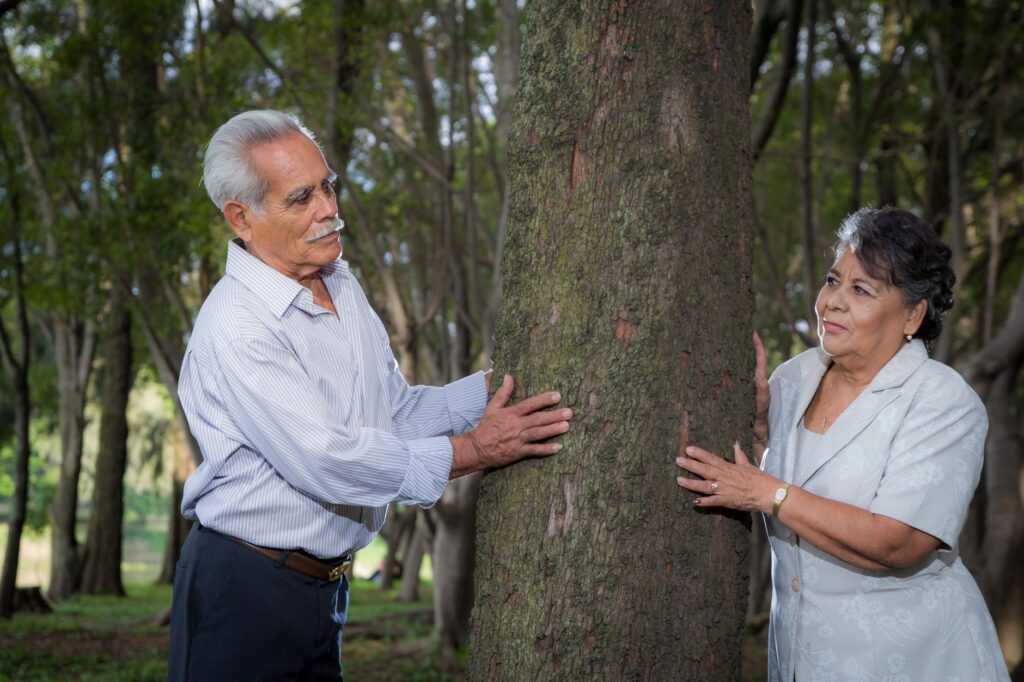
Spiritual Wisdom from Elders
The Role of Elders in the Church
Elders serve as spiritual leaders within the church community. Their role is not merely administrative but deeply rooted in biblical principles. In 1 Timothy 5:17, Paul writes, “Let the elders that rule well be counted worthy of double honour, especially they who labour in the word and doctrine.” This verse emphasizes the importance of honoring those who are dedicated to teaching and leading the congregation. Elders provide guidance and insight that stem from years of experience and a deep relationship with God.
Furthermore, the church benefits from the wisdom of its elders during decision-making processes. Their familiarity with Scripture and understanding of the community help in discerning God’s will. In Titus 1:5, Paul instructs Titus to appoint elders in every city, indicating that their presence is essential for establishing sound doctrine and moral integrity in the church.
Learning from Experience
Elders often possess life experiences that can teach younger generations valuable lessons. Proverbs 20:29 states, “The glory of young men is their strength: and the beauty of old men is the gray head.” This verse highlights the contrasting strengths of youth and age. While young people may have vigor and energy, older individuals have the benefit of life’s lessons learned through trials and tribulations. By listening to the stories and experiences of elders, younger believers can gain insights that will guide them through their own journeys.
- Seek counsel from elders when faced with difficult decisions.
- Invite elders to share their testimonies during church gatherings.
- Encourage mentorship opportunities where elders can guide the youth.
Scriptural Foundations for Wisdom
The Bible is replete with verses that encourage believers to seek wisdom and understanding from those who have gone before them. In Proverbs 1:5, it states, “A wise man will hear, and will increase learning; and a man of understanding shall attain unto wise counsels.” This verse reinforces the idea that wisdom is cumulative and that listening to elders can help one grow in understanding. Their knowledge often reflects not only personal experience but also an understanding of God’s Word over time.
It is also beneficial to remember that wisdom is rooted in a relationship with God. In James 1:5, it says, “If any of you lack wisdom, let him ask of God, that giveth to all men liberally, and upbraideth not; and it shall be given him.” Elders, who have spent much of their lives in prayer and study, can serve as intermediaries in this pursuit of divine wisdom.
Challenges in Respecting Elders
Navigating Generational Differences
Respecting elders can sometimes be complicated by generational differences. Younger generations may have different values or ways of thinking influenced by contemporary culture. However, the Bible calls for unity and understanding among all ages. In 1 Peter 5:5, it states, “Likewise, ye younger, submit yourselves unto the elder. Yea, all of you be subject one to another, and be clothed with humility: for God resisteth the proud, and giveth grace to the humble.” This verse encourages a spirit of humility that is essential for fostering respect across generational lines.
It is crucial for younger individuals to approach elders with an open heart and mind, recognizing that wisdom often comes from different life experiences. Engaging in conversations with elders about their perspectives can bridge gaps and create understanding. This dialogue is vital in a world where rapid change can leave both generations feeling disconnected.
Overcoming Personal Biases
Another challenge in respecting elders is the presence of biases or preconceived notions. Sometimes, younger individuals may dismiss the opinions of elders due to stereotypes about aging. However, the Bible urges believers to challenge such biases. In Romans 12:10, it encourages, “Be kindly affectioned one to another with brotherly love; in honour preferring one another.” This call to honor others, regardless of age, serves as a reminder to focus on the character and wisdom of individuals rather than their age.
- Practice active listening when elders share their thoughts.
- Ask questions to understand their viewpoints better.
- Reflect on personal biases and work towards overcoming them.
The Importance of Open Communication
Effective communication is essential in fostering respect between generations. Elders should also be willing to listen and learn from younger generations, as they may have insights into modern challenges. In Proverbs 18:13, it states, “He that answereth a matter before he heareth it, it is folly and shame unto him.” This verse underscores the importance of listening before responding, which is vital for building mutual respect.
Creating environments for open dialogue, such as intergenerational church events or discussion groups, can help facilitate these conversations. Such gatherings allow both younger and older members of the community to share their perspectives and learn from one another, ultimately fostering a culture of respect and understanding.


The Biblical Basis for Honoring Elders
<h3.Scriptural Commands to Honor Elders
The Bible explicitly commands believers to honor their elders, as seen in Exodus 20:12: “Honour thy father and thy mother: that thy days may be long upon the land which the LORD thy God giveth thee.” While this verse specifically addresses parental honor, it sets a precedent for respecting all elders within one’s life. It is a foundational principle that reverberates throughout Scripture.
Moreover, in Leviticus 19:32, it states, “Thou shalt rise up before the hoary head, and honour the face of the old man, and fear thy God: I am the LORD.” This verse illustrates the seriousness with which God views the honor of the elderly. It connects the act of honoring elders directly to reverence for God Himself, establishing a divine mandate for respect.
<h3.Elders as Spiritual Authorities
Elders are often seen as spiritual authorities within the church. Hebrews 13:17 reminds believers, “Obey them that have the rule over you, and submit yourselves: for they watch for your souls, as they that must give account, that they may do it with joy, and not with grief: for that is unprofitable for you.” This verse highlights the responsibility elders bear in caring for the spiritual well-being of their congregations. Their authority should be respected as they fulfill their roles before God.
Understanding this dynamic can help younger believers recognize the importance of respecting their elders. It is not merely about obedience but about acknowledging the weight of their responsibilities. When respect is mutual, the church can function more effectively as the body of Christ.
<h3.Encouraging a Culture of Respect
Encouraging a culture that values honor and respect for elders is vital for the health of any community. This culture can be cultivated through teaching and example. In 1 Thessalonians 5:12-13, Paul writes, “And we beseech you, brethren, to know them which labour among you, and are over you in the Lord, and admonish you; and to esteem them very highly in love for their work’s sake.” This passage calls for an active effort to recognize and appreciate the hard work of elders.
- Participate in church activities that highlight elder contributions.
- Share stories of elders who have made a difference in your life.
- Encourage others to express gratitude toward elders regularly.
Frequently Asked Questions
What does the Bible say about honoring elders?
The Bible emphasizes the importance of honoring elders in several passages, including Exodus 20:12 and 1 Timothy 5:1-2, reminding us to treat them with respect and dignity.
Why is it important to respect older generations?
Respecting older generations is vital because they carry wisdom, experience, and traditions that can guide and strengthen younger generations.
How can I show respect to elders in everyday life?
You can show respect by actively listening, offering help, celebrating their milestones, and treating them with kindness and dignity.
Is there a specific way the church encourages respect for elders?
Many churches encourage respect for elders through teaching, fellowship activities, and opportunities for younger members to engage with older generations in meaningful ways.
The Bottom Line
Respecting our elders is a biblical mandate that enriches our lives and communities. By honoring those who have gone before us, we not only gain wisdom but also strengthen our relationships and reflect Christ’s love in our actions. Let us commit to embracing this vital principle as we navigate our daily interactions.
Keep reading
More Relationships →



Weekly encouragement
Grow in the Word, one email at a time.
Free Bible study guides, prayer help and a verse to carry through your week. No spam, unsubscribe anytime.
Join the conversation