Hell Is Separation From God Bible Verse
Discover biblical insights on hell as separation from God and the importance of spiritual connection for eternal fulfillment.
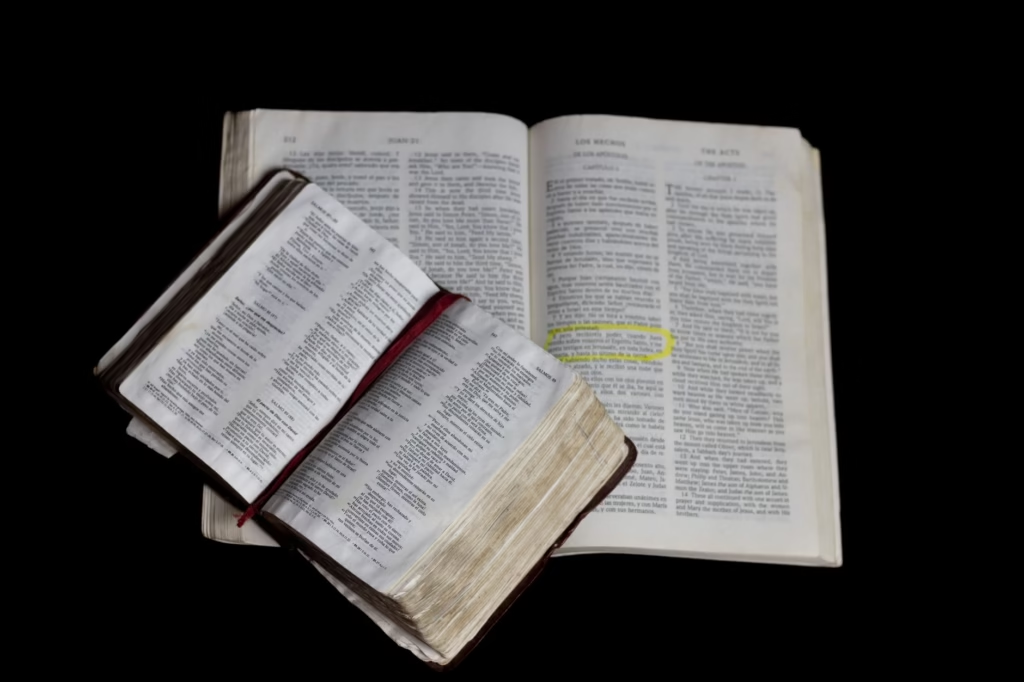
Short answer: Hell is often understood as separation from God, as seen in Isaiah 59:2 and 2 Thessalonians 1:9. These verses illustrate how sin leads to estrangement from God and eternal exclusion from His presence.
Hell is Separation from God: Biblical Insights and Spiritual Reflections
The concept of hell has been a subject of fascination, fear, and theological debate for centuries. Within Christianity, one of the most profound interpretations of hell is that it represents separation from God. This understanding not only shifts how believers perceive punishment in the afterlife but also underscores the importance of a relationship with the Divine. This blog post explores the Bible verses and teachings that shape the idea of hell as separation from God, casting light on its implications for faith and spiritual life.
Understanding Hell: A Biblical Perspective
Hell has often been depicted in vivid imagery as a place of fire and brimstone. However, a deeper examination of biblical scriptures suggests that hell is more than a place of physical torment—it's a state of spiritual separation from God.
Key Bible Verses Highlighting Separation
Several passages in the Bible highlight the notion of separation from God:
Isaiah 59:2: "But your iniquities have separated you from your God; your sins have hidden his face from you, so that he will not hear." This verse clearly associates separation from God with human sinfulness, suggesting that spiritual estrangement follows a life turned away from God's principles.
2 Thessalonians 1:9: "They will be punished with everlasting destruction and shut out from the presence of the Lord and from the glory of his might." This verse emphasizes the notion of exclusion from God's presence as a form of ultimate punishment.
Matthew 25:41: "Then he will say to those on his left, 'Depart from me, you who are cursed, into the eternal fire prepared for the devil and his angels.'" Here, the concept of being sent away or separated is at the core of the punishment described in the parable of the sheep and the goats.
Understanding the Consequences of Separation
The idea of hell as separation from God rather than a mere place of physical anguish brings several spiritual insights into focus:
Relational Aspect: Hell is not just about suffering but the profound absence of the divine relationship. It's about missing out on the peace, love, and joy that come from communion with God.
Eternal Implications: Separation is not momentary but eternal, underscoring the Christian belief in the irreversible nature of choices made in life regarding one's relationship with God.
Spiritual Choice: The separation is inherently tied to individual choice, reflecting a conscious decision to reject God's presence and will, rather than an arbitrary divine punishment.
Theological and Spiritual Reflections
Understanding hell as separation from God encourages a re-evaluation of one's spiritual journey. It posits that the eternal destiny of a soul is not just about avoiding punishment but cultivating a genuine connection with the Divine. Here are some reflections on this paradigm:
The Role of Free Will
Christian teachings highlight free will as a cornerstone of faith. The concept of hell as separation underscores that eternal destiny is determined by choices made in life. Humans have the autonomy to seek God or turn away, thus shaping their spiritual eternity.
Importance of Reconciliation
Given the serious implications of separation, reconciliation with God becomes crucial. Practices such as repentance, prayer, and community worship are vital in mending any spiritual breaches that lead to isolation from the Divine.
A Call to Compassion
Understanding hell as separation prompts a call to compassion in religious discourse. Rather than emphasizing fear, it encourages believers to focus on the love and relationship with God as a motivating factor for spiritual pursuits.
Conclusion: Reconnecting with the Divine
The depiction of hell as separation from God serves as a compelling reminder of the importance of nurturing one's relationship with the Divine. It challenges believers to view eternal life not merely as an escape from punishment but as an everlasting connection with God's love and presence. By emphasizing reconciliation and compassionate faith, this perspective invites individuals on a path of spiritual renewal and growth.
In an ever-changing world, the pursuit of closeness with God stands as a guiding beacon for those navigating life's spiritual journey. The understanding of hell as separation reinforces the value of every choice made in drawing nearer to, or away from, the presence of the Divine, ultimately shaping one's eternal path.
Key Takeaways
- Separation from God is linked to human sinfulness (Isaiah 59:2).
- Eternal separation is portrayed as the ultimate punishment (2 Thessalonians 1:9).
- Hell emphasizes the absence of a divine relationship, not just suffering.
- Free will plays a crucial role in one's spiritual destiny.
Cultivate Your Relationship with God
Engage in regular prayer and community worship to strengthen your connection with God. These practices can foster reconciliation and combat feelings of spiritual separation.
Frequently Asked Questions
What does Isaiah 59:2 say about separation from God?
Isaiah 59:2 states, 'But your iniquities have separated you from your God; your sins have hidden his face from you, so that he will not hear.'
How does 2 Thessalonians 1:9 describe punishment?
2 Thessalonians 1:9 describes punishment as being 'shut out from the presence of the Lord and from the glory of his might.'
Is hell only a physical place according to the Bible?
No, the Bible suggests hell is also a state of spiritual separation from God, reflecting a deeper relational aspect.
Why is reconciliation with God important?
Reconciliation is crucial because it can mend spiritual breaches and foster a life of peace and communion with the Divine.
The Bottom Line
The concept of hell as separation from God reminds us of the significance of nurturing our spiritual journeys. By striving for a closer relationship with God, we embrace the love and connection that enrich our lives.
Keep reading
More Christian Beliefs & Doctrine →

BIBLE VERSES ABOUT THE POWER OF THE BLOOD OF JESUS

Weekly encouragement
Grow in the Word, one email at a time.
Free Bible study guides, prayer help and a verse to carry through your week. No spam, unsubscribe anytime.
Join the conversation