Bible Verse About Going To Church On Sunday: Finding Community and Worship
Discover what the Bible says about going to church on Sunday, key verses, and the importance of community worship in your faith journey.

Key Takeaways
- Understand the significance of gathering for worship.
- Explore biblical verses encouraging church attendance.
- Learn about the community aspect of faith.
- Find practical steps to strengthen your church involvement.
Understanding the Importance of Going to Church
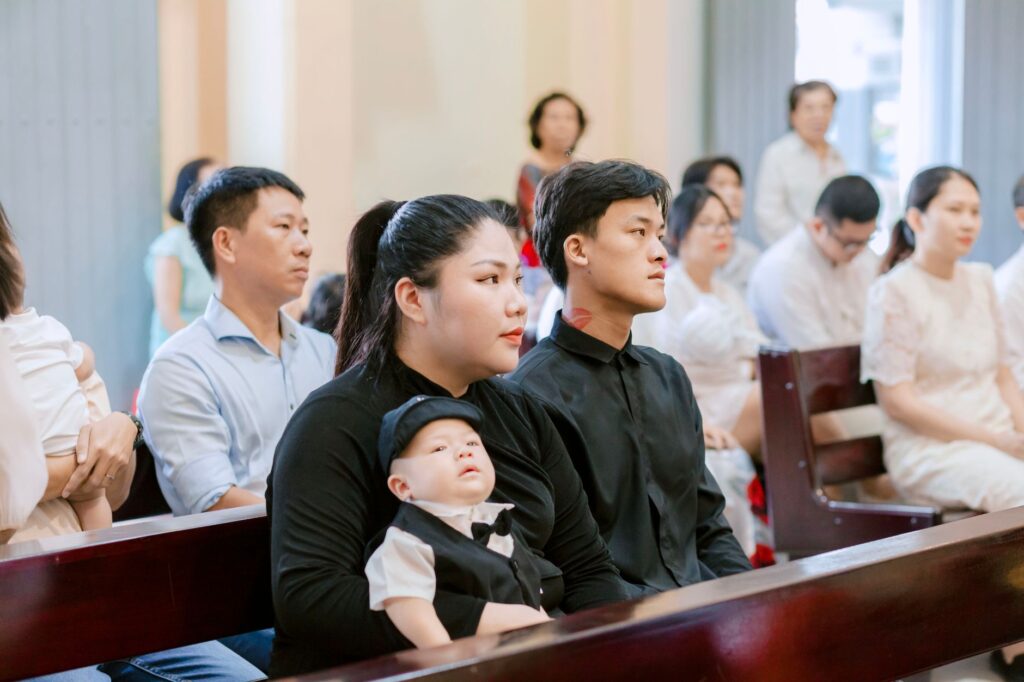
Going to church is an essential aspect of the Christian faith, rooted deeply in the scriptures. It serves as a communal gathering for worship, teaching, and fellowship. As believers, we are encouraged to come together to glorify God and grow in our faith. The Bible addresses the importance of gathering for worship, emphasizing that this practice is vital for spiritual growth and community support.
Hebrews 10:24-25 states, “And let us consider how to stir up one another to love and good works, not neglecting to meet together, as is the habit of some, but encouraging one another, and all the more as you see the Day drawing near.” This verse not only highlights the necessity of gathering but also points to the mutual encouragement we provide to one another. When we meet, we share our joys, struggles, and experiences, strengthening our bonds as a community of faith.
In a world that often promotes individualism, the call to gather as a church is a reminder of our need for one another. The relationships formed in church can be a source of immense support and love, helping us navigate the challenges of life. By attending church, we actively participate in a larger narrative of faith, learning from each other and growing together.
Biblical Verses Supporting Church Attendance
Several verses in the Bible encourage believers to gather for worship. One of the most well-known passages is found in Acts 2:42-47, which describes the early church’s practices. It states, “And they devoted themselves to the apostles’ teaching and the fellowship, to the breaking of bread and the prayers. And awe came upon every soul, and many wonders and signs were being done through the apostles. And all who believed were together and had all things in common.” This passage illustrates a vibrant community dedicated to learning and sharing life together.
Another significant verse is Matthew 18:20, where Jesus says, “For where two or three are gathered in my name, there am I among them.” This verse emphasizes the presence of God in our gatherings, affirming that church is not just a physical space but a spiritual one where God meets us as we come together in His name.
Colossians 3:16 also provides insight into the purpose of gathering: “Let the word of Christ dwell in you richly, teaching and admonishing one another in all wisdom, singing psalms and hymns and spiritual songs, with thankfulness in your hearts to God.” This verse underscores the importance of teaching, encouraging, and worshiping together as a body of Christ.

The Role of Community in Faith
The church is more than just a building; it is a community of believers who support one another in their spiritual journeys. Community plays a crucial role in our faith development. When we engage with others, we learn from their experiences and insights, which can help deepen our understanding of the Scriptures. The shared worship experience fosters a sense of belonging and connection that is vital for spiritual growth.
Consider the example of a single mother named Sarah. After her husband left, she felt isolated and unsure of how to raise her children on her own. A friend encouraged her to attend a local church. At first, Sarah hesitated, feeling overwhelmed by her situation. However, once she stepped through the doors, she was met with warmth and acceptance. Over time, she found support not only in the sermons but also in the friendships she formed. The church community provided her with practical help, emotional support, and spiritual guidance, which enabled her to persevere through her challenges.
This illustrates how the church can be a refuge and source of strength during difficult times. When we gather as a community, we can offer hands-on help, share wisdom, and pray for one another, embodying the love of Christ in tangible ways.
Practical Steps for Engaging with Your Church
Being part of a church community involves more than just attending Sunday services; it requires active engagement. Here are some practical steps to deepen your involvement:
- Get Involved in Small Groups: Many churches offer small group ministries where you can connect with others in a more intimate setting. These groups often focus on Bible study, prayer, and fellowship.
- Volunteer: Look for opportunities to serve within the church. Whether it’s helping with children’s ministry, greeting newcomers, or participating in outreach programs, serving is a great way to build relationships and contribute to the church’s mission.
- Attend Events: Participate in church events beyond Sunday services, such as potlucks, retreats, or workshops. These gatherings can help you meet new people and strengthen existing relationships.
- Invite Others: Encourage friends, family, or coworkers to join you for church. Sharing your faith and inviting others can create a welcoming environment and foster a sense of community.
Challenges to Attending Church Regularly
Despite the clear benefits of church attendance, many Christians face challenges that can hinder their involvement. Recognizing these challenges is the first step toward overcoming them. Here are some common obstacles:
- Busy Schedules: The demands of work, family, and social commitments can make it difficult to prioritize church attendance. It’s essential to intentionally set aside time for worship each week.
- Spiritual Burnout: Sometimes, Christians may feel spiritually exhausted and disconnected from their faith. This feeling can lead to withdrawal from church. Engaging with supportive friends or seeking counsel can help restore one’s zeal for worship.
- Negative Experiences: Past hurtful experiences within a church can lead to reluctance to attend. It’s vital to remember that no community is perfect and to seek healing through prayer and openness to new experiences.
Encouragement for Staying Committed
Staying committed to attending church can sometimes feel like a challenge, but the benefits far outweigh the difficulties. Remember that your presence matters. Each time you attend, you contribute to the body of Christ. The Bible reminds us in 1 Corinthians 12:12-14, “For just as the body is one and has many members, and all the members of the body, though many, are one body, so it is with Christ. For in one Spirit we were all baptized into one body, Jews or Greeks, slaves or free, and all were made to drink of one Spirit.” Your unique gifts and perspective enrich the community and help fulfill God’s mission.
Additionally, maintaining a prayerful attitude can help you stay focused on the importance of church attendance. Pray for strength, guidance, and a heart willing to serve. Trust that God will renew your passion for gathering with His people and that you will find joy in worshiping together.
Lastly, consider the impact of your attendance on others. Your commitment can inspire fellow believers and encourage them to remain steadfast in their faith journey.
Experiencing Spiritual Growth Through Corporate Worship
The Power of Corporate Worship
When believers gather for worship, they not only glorify God but also experience a unique spiritual dynamic that fosters growth. In Matthew 18:20, Jesus assures us, “For where two or three gather in my name, there am I with them” (NIV). This verse highlights the significance of community worship. The presence of God is amplified in collective praise, creating an environment where individuals can experience divine transformation.
Corporate worship encourages believers to lift their voices together, fostering a sense of unity. In Psalm 95:1-2, we read, “Come, let us sing for joy to the Lord; let us shout aloud to the Rock of our salvation. Let us come before him with thanksgiving and extol him with music and song” (NIV). Sharing our praises can lead to deeper connections with God and one another.
The Role of Sermons in Spiritual Development
Sermons delivered during church services provide essential teachings that guide believers in their spiritual journeys. In 2 Timothy 3:16-17, Paul states, “All Scripture is God-breathed and is useful for teaching, rebuking, correcting and training in righteousness, so that the servant of God may be thoroughly equipped for every good work” (NIV). This underscores the value of receiving biblical teaching within the church context.
Listening to sermons not only expands our understanding of Scripture but also challenges us to apply biblical principles in our daily lives. Hebrews 10:24-25 encourages us to consider how we may spur one another on toward love and good deeds, emphasizing the importance of gathering to hear and discuss God’s Word.
Benefits of Worshiping Together Regularly
Regular church attendance offers numerous benefits that extend beyond spiritual growth. Here are some key advantages:
- Strengthened Faith: Regular exposure to biblical teachings reinforces our beliefs and convictions.
- Increased Accountability: Being part of a congregation fosters accountability in our spiritual walk.
- Support System: Church provides a network of support during life’s challenges.
- Opportunities for Service: Engaging in church activities allows us to serve others and fulfill God’s calling.
In Acts 2:46-47, we see the early church devoted to fellowship and breaking bread together, which led to growth in their numbers. This exemplifies that when we prioritize worship and community, we become more effective witnesses of Christ.

Fostering Relationships Through Church Involvement
The Importance of Small Groups
Small groups play a significant role in fostering deep relationships within the church. These intimate settings encourage open sharing, prayer, and mutual support. In Acts 2:42, we are reminded that the early believers devoted themselves to the apostles’ teaching and to fellowship, emphasizing the value of smaller gatherings.
Being part of a small group allows believers to connect on a personal level, providing a safe space to share struggles and victories. Ecclesiastes 4:9-10 affirms this need for companionship: “Two are better than one, because they have a good return for their labor: If either of them falls down, one can help the other up” (NIV).
Building Lifelong Friendships
Attending church regularly creates opportunities for building lifelong friendships based on shared faith. In 1 Thessalonians 5:11, Paul encourages believers to “encourage one another and build each other up” (NIV). These friendships can be a source of strength and comfort during difficult times.
Consider these ways to cultivate friendships within your church:
- Participate in church events and activities.
- Volunteer for service projects together.
- Share meals and fellowship outside of church services.
- Engage in prayer partnerships with fellow members.
By investing time in relationships, we not only grow in our understanding of God but also create a supportive network that uplifts us in our spiritual journeys.
The Impact of Mentorship
Mentorship is a vital aspect of church life that can lead to significant spiritual growth. In Titus 2:3-5, older women are instructed to teach younger women, creating a cycle of discipleship that strengthens the church community. This mentorship relationship can be invaluable, as it fosters wisdom and guidance rooted in Scripture.
Mentors can provide insights gained from their experiences, helping mentees navigate their faith journeys. Hebrews 13:7 encourages us to remember our leaders, who spoke the word of God to us, and to consider the outcome of their way of life and imitate their faith. Such relationships are critical in fostering a culture of learning and growth within the church.
Worship as a Lifestyle Beyond Sunday
<h3Integrating Worship into Daily Life
While attending church on Sundays is essential, worship should extend into our everyday lives. Romans 12:1 calls us to offer our bodies as living sacrifices, holy and pleasing to God, which is our true and proper worship. This verse reminds us that our lives are to reflect our worship, not just our attendance at church services.
To integrate worship into daily life, consider the following practices:
- Start each day with prayer and Scripture reading.
- Seek opportunities to serve others in your community.
- Practice gratitude by acknowledging God’s blessings.
- Share your faith story with friends and family.
By incorporating these practices, we honor God not just on Sundays but throughout the week, creating a lifestyle of worship.
The Significance of Personal Worship
Personal worship is crucial for spiritual growth and intimacy with God. Psalm 100:2 encourages us to “worship the Lord with gladness; come before him with joyful songs” (NIV). Engaging in personal worship through music, prayer, and meditation allows believers to deepen their relationship with God outside of corporate settings.
Finding time for personal worship can be transformative. Here are ways to enhance your personal worship experience:
- Create a dedicated space for worship at home.
- Use worship music to set the atmosphere.
- Journal your prayers and reflections on Scripture.
- Engage in nature to appreciate God’s creation.
By embracing personal worship, believers can cultivate a more profound connection with God, which ultimately enhances their communal worship experience.
Living as a Witness
Worshiping God through our actions is a powerful testimony to others. In Matthew 5:16, Jesus instructs us, “Let your light shine before others, that they may see your good deeds and glorify your Father in heaven” (NIV). Our lives should reflect the love and grace we receive, acting as a witness to the world around us.
Consider how you can represent Christ in your daily interactions. Here are practical ways to live out your faith:
- Show kindness and compassion to others.
- Stand firm in your beliefs while respecting differing views.
- Share your testimony in appropriate contexts.
- Participate in community service projects as a church.
By living as witnesses, we not only glorify God but also invite others to experience the community and worship found in the church.
Frequently Asked Questions
What does the Bible say about attending church?
The Bible encourages believers to assemble together for worship, teaching, and encouragement, as seen in verses like Hebrews 10:24-25 and Acts 2:42-47.
Is it necessary to go to church every Sunday?
While regular attendance is encouraged for spiritual growth and community support, personal circumstances may vary. The key is to prioritize gathering with believers when possible.
What if I feel disconnected from my church?
If you feel disconnected, consider reaching out to others, joining small groups, or discussing your feelings with church leaders. Building relationships can help restore your sense of belonging.
How can I encourage my family to go to church?
Lead by example, share the benefits of attending, and create a routine around church attendance. Engage family members in discussions about faith to spark their interest.
The Bottom Line
Going to church on Sunday is a vital practice for Christians, reinforcing community, worship, and spiritual growth. The Bible provides clear guidance on the significance of gathering with fellow believers. By understanding the purpose and benefits of church attendance, overcoming challenges, and actively engaging with your church community, you can enrich your faith journey and experience the joy of fellowship.
Keep reading
More Church & Community →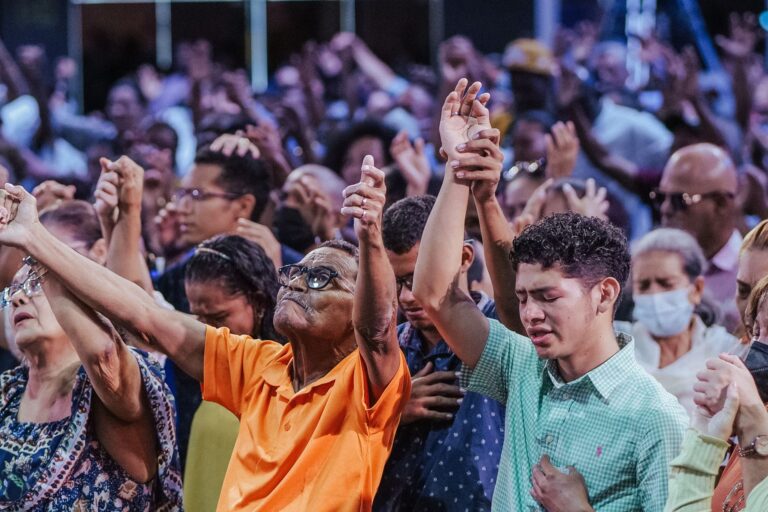

How to Handle Conflict in Relationships: Lessons from the Bible

Lessons From Ruth And Naomi: A Model For Supportive Relationships

Weekly encouragement
Grow in the Word, one email at a time.
Free Bible study guides, prayer help and a verse to carry through your week. No spam, unsubscribe anytime.
Join the conversation