Bible Verses About Clothing In Church: Finding Meaning and Purpose
Explore Bible verses about clothing in church and learn their significance, encouraging believers to dress with purpose and reverence.

Key Takeaways
- Understand the biblical perspective on clothing in church.
- Learn about modesty and appropriateness in worship attire.
- Explore cultural context and its influence on church attire.
- Reflect on the heart behind clothing choices in worship.
The topic of clothing in church settings often stirs up various opinions and discussions among believers. What does the Bible actually teach us about how we should dress when we gather to worship? Exploring Scripture can provide clarity and guidance.
Clothing is an outward expression of our identity, and how we present ourselves in a church environment can reflect our inner spiritual state. Ultimately, the purpose of gathering as a church community is to glorify God and to encourage one another in our faith.
In this article, we will delve into several Bible verses about clothing in church, examining their meanings and implications for our attire as we approach worship. We will also consider the balance between cultural factors and the heart of the matter, what our clothing choices communicate.
The Biblical Foundation for Clothing
In the Bible, clothing often symbolizes more than just physical covering; it can represent one’s status, identity, and moral character. The Scriptures provide insight into how our choices in clothing can reflect our relationship with God.
One of the earliest mentions of clothing is found in Genesis, where Adam and Eve were clothed by God after the fall. This act signifies that clothing serves not only to cover our physical bodies but also to indicate our need for redemption. As Genesis 3:21 states, “The Lord God made garments of skin for Adam and his wife and clothed them.” This sets a precedent for understanding that clothing has a divine purpose.
In the New Testament, the apostle Paul addresses the issue of attire in several of his letters, emphasizing modesty and appropriateness. For instance, in 1 Timothy 2:9-10, he writes, “I also want the women to dress modestly, with decency and propriety, adorning themselves, not with elaborate hairstyles or gold or pearls or expensive clothes, but with good deeds, appropriate for women who profess to worship God.” This verse highlights that clothing should not draw attention to oneself but rather reflect a heart focused on service and godliness.
Modesty and Appropriateness
When discussing clothing in church, the concepts of modesty and appropriateness often arise. These ideas can be subjective, varying across cultures and church denominations. However, the underlying principle remains: our attire should honor God and not distract others from worship.
Modesty is not solely about the amount of skin covered but also relates to the spirit in which we dress. The intention behind our clothing choices is critical, and we should ask ourselves whether our attire reflects a humble and respectful attitude toward God and our fellow believers.
For example, consider a scenario where a young person chooses to wear an outfit that, while fashionable, may be considered revealing in their church community. The individual may not have intended to make a statement or draw attention but could inadvertently distract from the collective worship experience. In such cases, it’s crucial to foster a spirit of understanding and encouragement, gently guiding one another toward choices that reflect a shared reverence for God.
Cultural Influences on Clothing
Cultural norms significantly influence how we perceive modesty and appropriateness in clothing. The Bible was written in a different cultural context than today, and understanding these differences can shed light on our application of Scripture.
For instance, in biblical times, clothing often indicated social status, and the wealthy adorned themselves with luxurious fabrics while the poor wore simpler garments. Today, we may not have the same social distinctions, but the principle of dressing in a manner that is respectful to God remains applicable.
As we navigate our clothing choices in church, it’s essential to consider the culture of our church community. What may be acceptable in one congregation might not be in another, and being sensitive to these dynamics fosters unity and respect within the body of Christ.

The Heart Behind Clothing Choices
Ultimately, clothing is an outward manifestation of our inner hearts. In 1 Samuel 16:7, we are reminded, “The Lord does not look at the things people look at. People look at the outward appearance, but the Lord looks at the heart.” This profound truth calls us to reflect on our motivations when choosing our attire for church.
When we dress for worship, we should consider whether our clothing communicates a heart of devotion and humility. Are we aiming to impress others, or are we seeking to honor God? This introspection helps us align our choices with our faith.
Beyond modesty and appropriateness, our clothing can also serve as a testimony. For instance, wearing attire that reflects our faith, such as clothing with scripture verses or symbols of our beliefs, can open doors for conversations about Jesus. This approach allows our clothing to become a tool for ministry rather than a point of contention.
Examples of Appropriate Attire
- Casual Wear: Many church communities embrace casual attire, such as jeans and polo shirts, which can reflect a relaxed atmosphere while still maintaining respect for the worship setting.
- Business Casual: In some congregations, business casual attire is encouraged, which strikes a balance between comfort and reverence, such as slacks and a nice shirt or blouse.
- Traditional Attire: Some churches maintain a more formal approach, where dresses, suits, or skirts reflect the significance of the gathering.
Practical Considerations for Dressing for Church
When selecting clothing for church, it’s helpful to keep a few practical considerations in mind. These aspects can guide our choices, ensuring that we honor both God and our fellow believers.
First, consider the message of your attire. Is it uplifting and reflective of a worshipful spirit? Opt for colors and styles that convey joy and reverence rather than distraction or rebellion.
Second, think about comfort. While it’s essential to dress respectfully, being comfortable allows us to engage fully in worship. If one is worried about adjusting their outfit constantly, it can detract from the experience of worshiping God.
Lastly, remember the community. Dress in a way that reflects the values of your church family. If you are new to a congregation, observe how others dress and seek to honor that culture while still being true to yourself.

The Cultural Context of Clothing in Worship
The Influence of Historical Customs
Understanding the historical context of clothing in worship can provide valuable insight into today’s practices. In ancient Israel, garments often held significant cultural meaning. For instance, priests were commanded to wear specific attire that signified their role and holiness (Exodus 28:2-4). These garments were not just about aesthetics but also served to set apart the sacred from the ordinary, reinforcing the gravity of their duties before God.
In the New Testament, the early church also reflected the cultural norms of their time. Paul, in his letters, often referenced clothing in the context of societal roles and expectations (1 Timothy 2:9-10). By understanding these historical customs, modern congregants can better appreciate the diversity of expression in worship settings and the evolution of what is deemed appropriate attire.
Cultural Variations in Dress
Clothing styles in church can vary significantly across different cultures, reflecting local traditions and values. In some cultures, traditional garments are worn with pride during worship, connecting congregants to their heritage. For example, in many African churches, vibrant colors and patterns are common, celebrating cultural identity while honoring God. This diversity is echoed in Revelation 7:9, which describes a multitude from every nation, tribe, people, and language standing before the throne.
- African Churches: Bright colors, traditional attire
- Western Churches: Casual to formal attire depending on the denomination
- Asian Churches: Traditional clothing, sometimes reflecting local customs
These variations demonstrate that God desires worship from all peoples, as seen in 1 Corinthians 9:22, where Paul indicates his willingness to become all things to all people for the sake of the Gospel. Thus, while the core of worship remains unchanged, the expression through clothing can vary beautifully across cultures.
Symbolism of Clothing in the Christian Life
Spiritual Garments
Clothing in Scripture often symbolizes deeper spiritual truths. For example, in Galatians 3:27, Paul states, “For all of you who were baptized into Christ have clothed yourselves with Christ.” This metaphor illustrates the transformative power of faith, suggesting that our spiritual identity is rooted in Christ rather than our external appearance. Just as clothing can enhance one’s identity, so too does our relationship with Jesus define who we are.
Moreover, Ephesians 6:11-13 speaks of the armor of God, urging believers to put on spiritual armor to stand against spiritual forces. This imagery reinforces the notion that our clothing is more than fabric; it represents our readiness to engage in spiritual warfare and live out our faith actively.
Clothing as a Reflection of Character
In addition to serving as a spiritual metaphor, clothing can also reflect a person’s character. In 1 Peter 3:3-4, Peter advises women that their beauty should not come from outward adornment but from the inner self, the unfading beauty of a gentle and quiet spirit. This teaching emphasizes that while clothing is important, the character and heart of an individual hold far greater significance in God’s eyes.
- Outward Appearance: Should not overshadow inner qualities
- Character Traits: Kindness, humility, love
- Heart Attitude: Reflects true devotion to God
Thus, clothing can serve as a reminder to cultivate inner beauty and character, ensuring that our external choices align with our spiritual values.
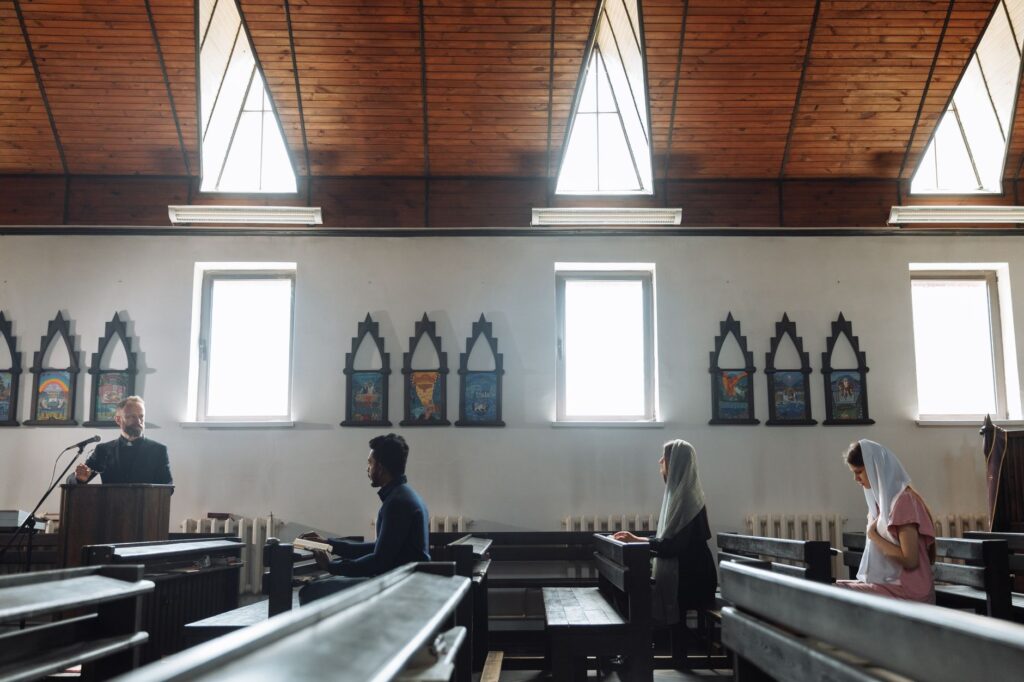
The Role of Community in Clothing Choices
Encouraging One Another in Dress
The community aspect of the church plays a crucial role in how we approach clothing choices for worship. In Hebrews 10:24-25, believers are encouraged to spur one another on toward love and good deeds, not giving up meeting together. This communal aspect extends to how we dress for worship, as our choices can influence those around us.
When congregants dress in a way that reflects reverence and respect for the worship environment, it can encourage others to do the same. Conversely, a lack of attention to dress can create distractions that detract from the worship experience. Therefore, fostering a culture of encouragement in clothing choices can enhance the corporate worship experience.
Creating a Welcoming Environment
A church’s dress code, whether formal or casual, can significantly impact how welcoming the environment feels to newcomers. Romans 15:7 encourages believers to “accept one another, then, just as Christ accepted you, in order to bring praise to God.” This acceptance should extend to how we dress, ensuring that no one feels unwelcome based on their clothing choices.
- Inclusivity: Dress should not alienate anyone
- Encouragement: Promote love and acceptance
- Focus on Worship: Ensure clothing does not distract from the message
By creating a welcoming atmosphere where diverse clothing styles are accepted, churches can fulfill their mission to reflect Christ’s love and acceptance to all who enter.
Frequently Asked Questions
What does the Bible say about clothing in church?
The Bible emphasizes modesty, appropriateness, and the heart behind clothing choices. Verses like 1 Timothy 2:9-10 guide believers to dress in a way that honors God and reflects humility.
Is it a sin to dress inappropriately for church?
While the Bible does not explicitly label specific attire as sinful, dressing in a way that distracts from worship or causes others to stumble can be considered inappropriate. The emphasis should be on the heart and intention behind clothing choices.
How can I encourage others to dress appropriately for church?
Encouragement can come through loving conversations and modeling appropriate attire yourself. Share your thoughts in a way that emphasizes unity and reverence for God rather than judgment.
Are there specific rules about what to wear in church?
Different churches have various cultural norms and expectations regarding attire. It’s essential to understand and respect these guidelines while remaining true to your personal expression of faith.
The Bottom Line
When considering Bible verses about clothing in church, it becomes clear that the emphasis lies not solely on the fabric we wear but on the condition of our hearts. Dressing appropriately and modestly is about reflecting our love for God and our desire to worship Him wholeheartedly. As we choose our attire, let us focus on honoring God and fostering a spirit of unity within our church community.
Keep reading
More Church & Community →



Weekly encouragement
Grow in the Word, one email at a time.
Free Bible study guides, prayer help and a verse to carry through your week. No spam, unsubscribe anytime.
Join the conversation