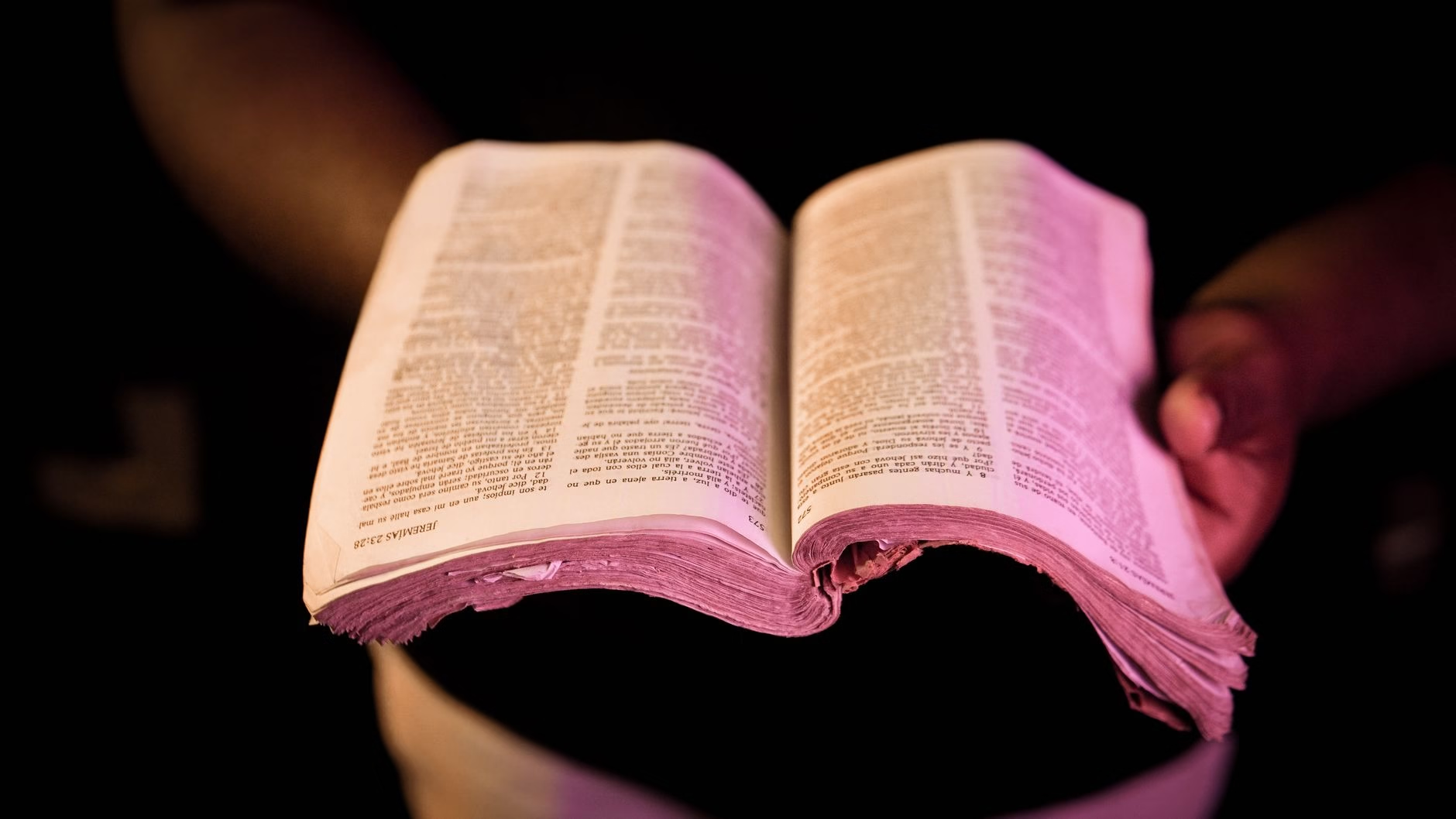
Short answer: Key Bible verses on God's providence include Philippians 4:19, which assures that God will meet all our needs, and Romans 8:28, emphasizing that God works for the good of those who love Him. These verses highlight His care, provision, and sovereignty in our lives.
God's Providence Bible Verses: Understanding Divine Providence Through Scripture
In the hectic pace of modern life, it can be difficult to see the order and purpose behind the chaos. Yet, one theme that offers reassurance is the concept of God's providence—His loving care and guidance over creation. This divine oversight is a fundamental element of Christian belief, providing comfort and trust in God's plan. In this blog post, we will explore key Bible verses that highlight God's providence, offering insights and a deeper understanding of how this concept manifests in our lives.
What is God's Providence?
Before diving into specific Bible verses, let's clarify what God's providence means. Providence refers to God's continual involvement in the world, guiding and caring for creation according to His divine purpose. It is more than just oversight; it is God's active participation in the minutiae of our lives, ensuring that His will be done.
Divine Assurance: God as Creator and Sustainer
The Bible frequently emphasizes God’s role not only as the Creator but also as the Sustainer of life. Several verses encapsulate this dual function:
- Genesis 1:1 – “In the beginning, God created the heavens and the earth.” This foundational verse reminds us of God’s power and intention in creation, setting the stage for His ongoing providence.
- Colossians 1:16-17 – “For in him all things were created… and in him all things hold together.” This passage underscores the belief that everything exists through Him and is sustained by His will.
Provision in Times of Need
Scripture is rich with examples of God providing for His people, often in miraculous ways. These verses reflect His commitment to meeting our needs:
- Philippians 4:19 – “And my God will meet all your needs according to the riches of his glory in Christ Jesus.” This promise assures believers that God is attentive to their physical and spiritual needs.
- Matthew 6:26 – “Look at the birds of the air; they do not sow or reap or store away in barns, and yet your heavenly Father feeds them. Are you not much more valuable than they?” This metaphorical illustration from Jesus emphasizes trust in God's caring provision.
Protection and Guidance
God’s providence also includes His protection and guidance, steering us away from harm and towards His beneficial purpose:
- Psalm 91:11 – “For he will command his angels concerning you to guard you in all your ways.” This verse serves as a reminder of the protective aspect of divine providence.
- Proverbs 3:5-6 – “Trust in the Lord with all your heart and lean not on your own understanding; in all your ways submit to him, and he will make your paths straight.” Reflecting on God’s guidance, this passage calls for trust and submission to God's wisdom.
God's Sovereign Control
God's providence signifies His sovereignty over all events, both big and small. His plans cannot be thwarted by human actions:
- Isaiah 46:10 – “I make known the end from the beginning, from ancient times, what is still to come. I say, ‘My purpose will stand, and I will do all that I please.’” This highlights the depth of God’s control over history.
- Romans 8:28 – “And we know that in all things God works for the good of those who love him, who have been called according to his purpose.” This powerful verse reassures believers that even in adversity, God's overarching plan is inherently good.
Conclusion: Trusting in God's Providence
The concept of providence offers believers a profound sense of peace, knowing that God’s hand is at work in their lives. Through the Bible, we find countless assurances of His provision, protection, and sovereign control. Embracing these truths can transform our outlook on life, enabling us to navigate challenges with faith and confidence.
Whether you are experiencing abundance or adversity, remember the divine providence that weaves through scripture, encouraging you to place trust in God's plan. By reflecting on these Bible verses, take comfort in the knowledge that you are never alone, and every moment is under the watchful care of a loving Creator.
Key Takeaways
- God's providence is His active involvement in our lives.
- He provides for our needs, both physical and spiritual.
- God's guidance can be trusted in every situation.
- His plans are sovereign and ultimately for our good.
Embrace God's Providence Daily
Take time each day to reflect on God's provisions in your life. Trusting in His plans can bring peace and clarity in times of uncertainty.
Frequently Asked Questions
What does God's providence mean?
God's providence refers to His continual care and guidance over creation, ensuring His divine purpose is fulfilled.
How does God provide for us?
God provides for us through meeting our physical and spiritual needs, as highlighted in verses like Philippians 4:19.
What assurance do we have of God's protection?
Psalm 91:11 assures us that God commands His angels to guard us, reflecting His protective nature.
Can God's plans be changed by human actions?
Isaiah 46:10 states that God's purpose will stand and cannot be thwarted, highlighting His sovereign control over events.
The Bottom Line
Remember, God's providence is a comforting truth that assures us we are never alone. Trust in His care and guidance as you navigate life's journey, knowing He has a purpose for you.