
Faith and Trust in God
Bible Verse For Child Starting School: Encouragement and Hope
Nov 8, 2026 · 12 min read
Discover the meaning and context of The Child Shall Lead Them Bible Verse, and how it encourages us in faith and understanding.

Key Takeaways
The phrase “The Child Shall Lead Them” originates from the book of Isaiah in the Old Testament. This verse is often quoted in discussions about faith, innocence, and the role of children in our lives and communities. As we explore this verse, we will uncover its profound implications for how we understand faith and the simplicity of trusting in God.
Isaiah 11:6 states, “The wolf shall dwell with the lamb, and the leopard shall lie down with the young goat, and the calf and the lion and the fattened calf together; and a little child shall lead them.” This verse paints a beautiful picture of peace and harmony, suggesting a time when the natural order is transformed. However, the mention of a child leading serves as a significant metaphor for how we are to approach God and each other.
In this article, we will delve into the meaning of this verse, its context, and how it can guide our understanding of faith, innocence, and leadership. We’ll also reflect on modern implications, drawing parallels to our own lives and discussions about how children can inspire and lead us toward a deeper faith.
To fully appreciate the phrase “The Child Shall Lead Them,” we must understand its context within Isaiah 11. This chapter describes a future time of peace, where natural enemies coexist harmoniously. The imagery is rich: wolves lie with lambs, leopards with goats, and lions with calves. This paints a picture of a Messianic age, a time of restoration and harmony under God’s reign.
Isaiah prophesied during a time of turmoil in Israel, where the people faced oppression and uncertainty. His messages often contained hope, pointing toward a future leader who would bring justice and peace. The mention of a child leading in this context highlights the contrast between worldly power and divine wisdom. In God’s kingdom, leadership is not about strength or dominance but about purity, humility, and trust.
In ancient Jewish culture, children were often seen as symbols of innocence and potential. They were valued not for their power but for their purity of heart. This perspective challenges our conventional understanding of leadership, suggesting that those who are humble and innocent can guide us toward greater truths.
When we think about the qualities of a child, several characteristics come to mind: innocence, trust, and a sense of wonder. In Matthew 18:3, Jesus emphasizes the importance of becoming like children to enter the kingdom of heaven: “Truly, I say to you, unless you turn and become like children, you will never enter the kingdom of heaven.” This verse reinforces the idea that childlike faith is essential in our relationship with God.
Children often exhibit a natural ability to trust without reservation. They believe in the goodness of their parents and caregivers, reflecting a simple, unwavering faith. This trust is what Jesus encourages in us. A child leading us suggests that we should embrace our faith with the same openness and confidence, trusting God to guide us through life’s complexities.
Moreover, children have a unique perspective on the world. They ask questions, challenge norms, and see possibilities that adults might overlook. This reminds us to remain curious and open to God’s revelations, even in the mundane aspects of life. A child leading us symbolizes the necessity of humility in our journey of faith.

As we reflect on the idea of children leading us, we can identify several lessons that children can teach us about faith and life:
These lessons are crucial for our spiritual growth. By adopting these childlike qualities, we can foster a deeper connection with God and each other.
Imagine a small community church where a children’s choir is preparing for a special performance. The children, filled with enthusiasm, sing joyfully, their voices blending in harmony. Their innocence and excitement are infectious, drawing the attention of the congregation. As the performance begins, the congregation watches, captivated by the purity of the children’s expressions and their unreserved faith in sharing their message.
During the performance, one child accidentally forgets the words to a song. Instead of becoming embarrassed, she smiles brightly and continues to sing what she remembers, encouraging her friends to join in. The adult members of the church witness this moment and are reminded of the importance of authenticity, joy, and trust in God. This simple act of a child leading with her heart inspires everyone present to reflect on their own faith journey.
This scenario illustrates how children can lead us, not just in moments of joy but also in teaching us about resilience, faith, and community. Their actions remind us that faith can be expressed in simple, beautiful ways that resonate deeply within our hearts.
Children hold a unique position in families, communities, and the church. They not only represent the future but also embody values that can enrich our spiritual lives. Here are some ways children influence our faith:
Recognizing the significant role children play can enrich our spiritual lives and encourage us to nurture their faith. By investing in their spiritual development, we contribute to a legacy of faith that transcends generations.


To understand the essence of “The Child Shall Lead Them,” we must embody childlike trust in our relationship with God. This trust requires us to let go of our control and fears, allowing God to guide us. Here are some practical steps to cultivate this trust:
By adopting these practices, we can foster a faith that mirrors the innocence and trust of children, allowing us to navigate life’s challenges with confidence in God’s faithfulness.
Children are often viewed as symbols of innocence in the Scriptures. In Matthew 18:3, Jesus states, “Truly, I tell you, unless you change and become like little children, you will never enter the kingdom of heaven.” This verse emphasizes the purity and untainted nature of a child’s heart, which is essential for true faith. The innocence of children represents a state of being where trust and faith are paramount, unclouded by the complexities and doubts that often afflict adults. Their innocence invites adults to reconsider their own hearts and relationships with God.
Childlike faith is a recurring theme throughout the Bible, emphasizing the importance of trust and reliance on God. In Mark 10:15, Jesus says, “Anyone who will not receive the kingdom of God like a little child will never enter it.” This statement highlights that the attributes of a child, trust, simplicity, and a sense of wonder, are crucial for entering into a relationship with God. In this context, childlike faith becomes a model for believers, reminding them to approach God without pretense or skepticism.
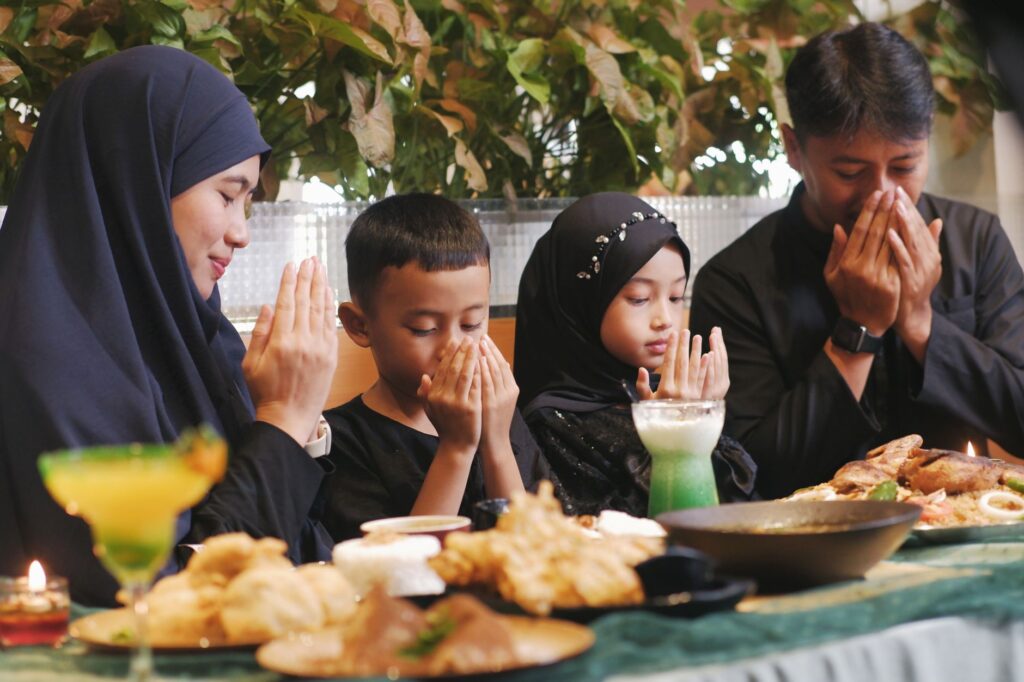

Throughout history, children have often been at the forefront of movements that have led to societal change. In the Bible, we see examples of young individuals who made significant impacts, such as David, who, despite being a shepherd boy, became a king and a man after God’s own heart (1 Samuel 16:7-13). This demonstrates that children possess an inherent potential to challenge the status quo and usher in God’s purposes. Their fresh perspectives and untainted views can inspire adults to reconsider their approaches and beliefs.
In the family unit, children play a pivotal role in shaping the spiritual atmosphere. In Ephesians 6:1-3, Paul instructs children to obey their parents, but he also reminds parents of their responsibility to raise their children in the training and admonition of the Lord. This mutual responsibility creates a dynamic where children can lead their families into deeper spiritual truths. The innocence and honesty of children can encourage parents to reflect on their own faith journeys and re-engage with God’s word.
In Scripture, God expresses a profound love for children, viewing them as integral to His kingdom. In Psalm 127:3, it says, “Children are a heritage from the Lord, offspring a reward from him.” This perspective elevates the status of children, portraying them as blessings rather than mere dependents. Recognizing children as a part of God’s divine plan encourages us to honor their presence and listen to their voices, understanding that they reflect aspects of God’s love and grace.
Children can serve as powerful messengers of God’s love. Their genuine expressions of joy and understanding can often convey more profound truths than the most eloquent sermon. In Matthew 21:15-16, even the children in the temple were praising Jesus, and He welcomed their worship. This reminds us that children can lead the way in expressing faith and joy in God, challenging adults who may have grown weary or complacent in their worship.
The verse emphasizes the importance of childlike faith, trust, and innocence. It suggests that we should approach God with the same openness and simplicity as children do.
Adults can learn from children’s trust, joy, and simplicity in their relationships with God. Embracing these qualities can enhance our spiritual lives.
Children play a vital role in the church by bringing energy, joy, and a fresh perspective on faith. They also encourage intergenerational connections within the community.
Yes, the principles of humility, trust, and innocence are applicable to all forms of leadership. Leaders who embody these qualities can inspire and uplift those around them.
The phrase “The Child Shall Lead Them” serves as a powerful reminder of the importance of childlike faith in our relationship with God. By embracing the lessons children teach us, we can cultivate a deeper faith, trusting in God’s guidance and love. This verse encourages us to reflect on our own faith journey and the ways we can learn from the innocence and purity of children in our lives.
Weekly encouragement
Free Bible study guides, prayer help and a verse to carry through your week. No spam, unsubscribe anytime.



Join the conversation