
Relationships
Like Mother Like Daughter Bible Verse: Understanding Generational Influence
Nov 8, 2026 · 11 min read
Learn how biblical principles can help you rebuild trust in relationships, providing guidance for healing and restoration through God's wisdom.

Key Takeaways
Rebuilding trust in a relationship can feel like an overwhelming task, especially when past hurts linger and doubts arise. Whether it is a romantic relationship, friendship, or familial bond, trust is foundational. Without it, connections feel fragile and strained. However, the Bible offers profound wisdom and verses that can guide us in this journey of restoration.
As Christians, understanding God’s perspective on trust and relationships is crucial. Scripture not only addresses the importance of trust but also provides examples of restoration and healing. In this article, we will explore key Bible verses that speak to rebuilding trust, practical steps to take, and how to cultivate a heart of forgiveness.
Trust can be rebuilt, but it requires time, commitment, and, most importantly, a reliance on God’s strength and wisdom. Through His Word, we can find encouragement and clear guidance on how to mend broken relationships and foster deeper connections.
Trust is defined as a firm belief in the reliability, truth, ability, or strength of someone or something. In relationships, it’s the assurance that each party will act in the best interest of the other. Trust is nurtured through honesty, integrity, and consistent actions. When broken, it can lead to feelings of betrayal, insecurity, and pain.
The Bible speaks extensively about the nature of trust, both in God and in one another. Proverbs 3:5-6 encourages us to trust in the Lord with all our heart and lean not on our own understanding. This foundational trust in God sets a precedent for how we trust others. When we understand that our ultimate trust is in God, we can begin to reestablish trust with those around us.
Moreover, trust is not merely given; it is built over time. When trust is broken, it often requires intentional effort to rebuild it. This can involve open dialogue, vulnerability, and a commitment to change behaviors that led to mistrust. As we consider rebuilding trust, it’s important to reflect on our own actions and seek God’s help in restoring relationships.
Before rebuilding trust, it is essential to assess the damage thoroughly. Understanding the root cause of the breach is crucial. Ask yourself: What specific actions led to the breakdown of trust? Was it a single event, or is it a pattern of behavior that has caused harm? Taking the time to reflect can provide clarity.
Open and honest communication is vital in this assessment phase. Both parties should express their feelings and perspectives. This dialogue can be challenging, especially if emotions are running high. However, Ephesians 4:15 encourages us to speak the truth in love. This means being honest about feelings while also being respectful and kind.
Consider a fictional scenario: Sarah and John have been friends for years. Recently, Sarah discovered that John shared personal information about her without her consent. This breach of trust hurt Sarah deeply. To begin repairing their friendship, they need to have an open conversation. John must acknowledge his mistake and express genuine remorse, while Sarah needs to share her feelings and set boundaries moving forward.
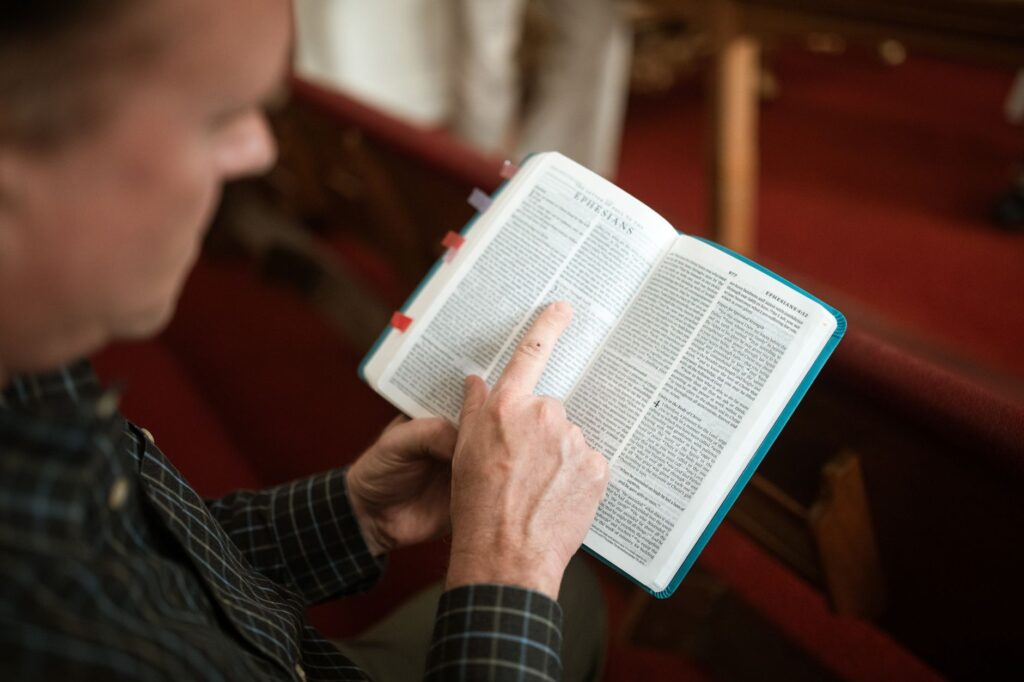
Forgiveness is a vital component of rebuilding trust. It is important to understand that forgiveness does not mean condoning the wrong action or forgetting it; rather, it involves letting go of the resentment and choosing to move forward. Colossians 3:13 tells us, “Bear with each other and forgive one another if any of you has a grievance against someone. Forgive as the Lord forgave you.”
When we forgive, we free ourselves from the burden of bitterness and allow healing to begin. However, forgiveness can be a process that takes time. It is essential to approach it with a heart open to God’s grace. Remember that just as we are called to forgive, we also need to seek forgiveness when we are the ones who have erred.
Consider the story of a mother and daughter who had a falling out over a disagreement. The mother felt betrayed by her daughter’s actions. After much prayer and seeking God’s guidance, the mother decided to extend forgiveness, even though her heart was still hurting. Over time, as they both worked on their relationship, trust began to be restored, demonstrating that forgiveness can pave the way for healing.
Rebuilding trust is not an overnight process. It requires patience and a willingness to navigate through the complexities of emotions and past hurts. Romans 12:12 encourages us to “be joyful in hope, patient in affliction, faithful in prayer.” This verse reminds us that patience is an essential part of the journey.
Both parties need to be willing to give each other grace as they work through the rebuilding process. There may be setbacks along the way, and that is normal. Trust may take time to re-establish, and small steps can lead to significant progress. Celebrate the small victories together, as they can be encouraging.
Imagine a couple, Mark and Lisa, who faced trust issues after Mark’s dishonesty about finances. They committed to open communication and sought counseling to help navigate their challenges. Initially, Lisa felt apprehensive, but as Mark demonstrated honesty and responsibility over several months, Lisa began to feel more secure in their relationship. Their journey illustrates that patience and perseverance are crucial in rebuilding trust.

In the journey of rebuilding trust, seeking God’s guidance is paramount. Prayer plays a crucial role in this process. Philippians 4:6-7 encourages us not to be anxious about anything but to present our requests to God. Engaging in prayer can help both parties find peace and clarity regarding their feelings and intentions.
Additionally, studying Scripture together can foster a deeper understanding of God’s principles regarding relationships. Sharing insights from the Bible can create a foundation of mutual respect and accountability. As both parties grow spiritually, they are more likely to approach their relationship with grace and understanding.
For example, a group of friends facing trust issues decided to start a weekly Bible study focused on relationships. As they explored Scriptures about love, forgiveness, and trust, they began to understand each other’s perspectives better. This collective effort to seek God’s will transformed their interactions and laid a solid groundwork for rebuilding trust.
Effective communication is fundamental in any relationship, especially when trust has been broken. To rebuild trust, both partners must feel safe expressing their feelings and concerns. James 1:19 advises us to be quick to listen, slow to speak, and slow to become angry. This verse underscores the importance of listening attentively to one another without interruption or judgment.
Establishing a safe space means setting aside dedicated time for open discussions. During these conversations, it can be helpful to express feelings using “I” statements to avoid placing blame. For example, saying “I feel hurt when…” rather than “You always…” encourages a more constructive dialogue.
Rebuilding trust involves establishing clear boundaries and expectations. Proverbs 25:17 advises, “Seldom set foot in your neighbor’s house, too much of you, and they will hate you.” This verse serves as a reminder that boundaries are essential in maintaining healthy relationships. Both partners should communicate their needs and limitations as a way of fostering respect and understanding.
Discussing expectations openly can prevent misunderstandings and help both partners feel secure. Each partner should express what they need from the other to feel safe and valued. This includes discussing how to handle conflicts and what behaviors are unacceptable moving forward.
Words alone are not sufficient to rebuild trust; consistent actions are equally crucial. In Matthew 7:16, Jesus said, “By their fruit, you will recognize them.” This principle suggests that true change is evident through actions rather than mere promises. Both partners must demonstrate their commitment to rebuilding trust through reliable and thoughtful behavior.
Making a conscious effort to follow through on commitments can significantly strengthen a relationship. This could involve small daily acts of kindness or larger, more meaningful gestures that reaffirm the partner’s value. Over time, these consistent actions will accumulate and help restore a sense of security.

Accountability is a critical aspect of rebuilding trust in a relationship. Galatians 6:5 states, “For each will have to bear his own load.” This verse emphasizes personal responsibility and the importance of acknowledging one’s role in the situation that led to trust issues. Accepting responsibility for actions is a vital step towards healing.
When one partner takes ownership of their mistakes, it demonstrates maturity and a willingness to change. This can encourage the other partner to do the same, fostering a mutual sense of responsibility. Acknowledging specific actions that caused hurt can help establish transparency and sincerity.
Sometimes, rebuilding trust can be challenging, and seeking guidance from a mentor or counselor can provide valuable insights. Proverbs 15:22 states, “Plans fail for lack of counsel, but with many advisers, they succeed.” This verse highlights the importance of seeking wisdom from those who have experience and can offer objective perspectives.
Engaging a trusted mentor or counselor can facilitate open discussions and provide tools for rebuilding trust. They can help both partners navigate their feelings and work through the complexities of the relationship. This support can be instrumental in creating a healthier dynamic moving forward.
As trust is rebuilt, it is vital to celebrate small victories along the way. Zephaniah 3:17 tells us, “The Lord your God is with you, the Mighty Warrior who saves. He will take great delight in you; in his love, he will no longer rebuke you, but will rejoice over you with singing.” This verse reminds us that acknowledgment and celebration play a significant role in the healing process.
Recognizing and celebrating progress, no matter how small, can enhance motivation and strengthen the bond between partners. This could include verbal affirmations of progress, small celebrations, or simply taking the time to appreciate the changes being made.
The time it takes to rebuild trust varies depending on the individuals and the situation. It requires consistent effort and open communication over time. Patience is key.
Yes, trust can be rebuilt after a betrayal, but it requires commitment from both parties. Open dialogue, forgiveness, and a willingness to change behaviors are essential.
Signs of restored trust include open communication, increased vulnerability, consistent honesty, and a feeling of safety in the relationship.
Be patient and supportive. Encourage open communication, actively listen, and offer guidance based on Biblical principles. Pray for them and with them.
Rebuilding trust in a relationship is a challenging but rewarding journey. It involves understanding the nature of trust, open communication, forgiveness, and patience. By grounding our efforts in Scripture, we can find encouragement and guidance. As we seek to restore faith in our relationships, let us remember that trust can be rebuilt through God’s strength and wisdom, leading to deeper, more meaningful connections.
Weekly encouragement
Free Bible study guides, prayer help and a verse to carry through your week. No spam, unsubscribe anytime.



Join the conversation