
Character & Virtues
Bible Verses About Godly Woman KJV: Inspiration for Everyday Life
Nov 12, 2026 · 11 min read
Discover walking in the light through Bible verses about truth and honesty that guide personal integrity, strengthen relationships, and promote inner peace.
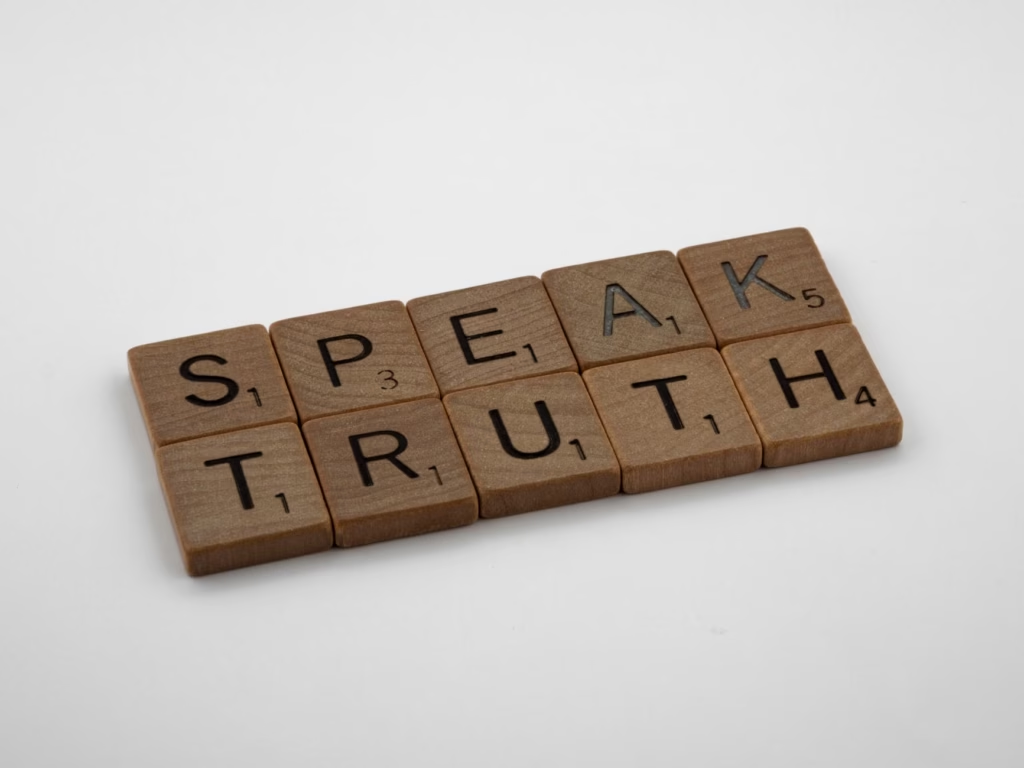
When we examine what the Scriptures say about honesty, we quickly realize that truth is not simply an abstract moral concept or a set of human rules. Truth is fundamentally rooted in the very character of God. In a culture where reality is routinely redefined to suit personal preference or convenience, the Bible anchors truth in the unchangeable nature of the Creator.
To understand why honesty matters so deeply, we must look at who God is. God does not merely speak what is true; He is the source and standard of all truth. When Jesus spoke to His disciples during His earthly ministry, He made a profound declaration regarding His own identity.
“Jesus said to him, ‘I am the way, and the truth, and the life. No one comes to the Father except through me.'” – John 14:6
Because God is entirely without deceit, falsehood is inherently foreign to His kingdom. When we practice honesty, we align our hearts with His nature. Conversely, when we engage in deception, exaggeration, or subtle dishonesty, we step away from the light of His presence. Honesty is therefore an act of worship—a tangible way we declare that God is trustworthy and that we belong to Him.
Throughout the Old and New Testaments, God’s perspective on honesty is clear. Scripture does not treat deceit as a minor flaw or a harmless coping mechanism. Instead, it places lying among the habits that break fellowship with God and fracture our spiritual life.
“Lying lips are an abomination to the LORD, but those who act faithfully are his delight.” – Proverbs 12:22
The Scriptures use strong language here to show how contrary falsehood is to God’s holiness. Deception corrodes the human soul and undermines trust, which is the foundational bedrock of every healthy marriage, family, and church community. When trust is broken through dishonesty, suspicion and distance take its place.
God delights in those who act faithfully because integrity reflects His covenantal love. When our words match reality and our commitments are kept, we create an environment where love and spiritual growth can flourish without fear of betrayal.
It is entirely possible to use facts as a weapon. Some people pride themselves on blunt honesty, using truth as a heavy instrument to wound others under the banner of candor. The Bible offers a far better path, showing us that biblical truth must always be accompanied by genuine Christian charity.
Writing to the church in Ephesus, the apostle Paul instructed believers on how to live as renewed people in Christ, specifically highlighting how truth-telling operates within the body of believers.
“Therefore, having put away falsehood, let each one of you speak the truth with his neighbor, for we are members one of another.” – Ephesians 4:25
Because believers are joined together as members of one spiritual family, deceiving a brother or sister in Christ is as self-destructive as the eye trying to deceive the hand. Honesty creates real safety and genuine unity. Truth without love becomes harshness, while love without truth devolves into compromise. The gospel calls us to hold both together.
Here are practical ways we can cultivate truthful, loving speech in our daily walk:
There is a heavy spiritual and emotional burden required to maintain a lie. A single falsehood often demands a network of secondary lies to keep it hidden, leading to constant anxiety and fear of exposure. Living dishonestly forces a person to manage an illusion, which wears down the conscience over time.
Jesus pointed to the liberating power of truth, offering rest to those who follow Him.
“and you will know the truth, and the truth will set you free.” – John 8:32
While this promise speaks primarily of the saving truth of the gospel that frees us from sin, it also applies to our daily conduct. Honesty brings peace to the mind. When you have nothing to hide, you have nothing to fear. You can speak calmly, sleep peacefully, and live without the weight of deceit hanging over your head.
“Whoever walks in integrity walks securely, but he who makes his ways crooked will be found out.” – Proverbs 10:9
Integrity provides a firm path beneath our feet. The honest believer does not spend energy managing hidden stories or worrying about what might be revealed, because their life is lived openly before God.
Compromise rarely begins with a massive, dramatic fraud. It usually starts in small, quiet moments—a slight exaggeration on a resume, an inaccurate detail on a tax form, a white lie to avoid an awkward moment, or taking unearned credit for someone else’s work. We often persuade ourselves that minor dishonesty does not matter as long as major commitments are kept.
Jesus directly challenged this reasoning when teaching His followers about character and trust.
“One who is faithful in a very little is also faithful in much, and one who is dishonest in a very little is also dishonest in much.” – Luke 16:10
Our choices in tiny matters reveal the true state of our heart. God uses small, unnoticed situations to test and refine our spiritual integrity. When we choose honesty in routine matters, we build spiritual conviction that protects us when greater temptations arrive.
Authentic spiritual growth requires honest self-examination before God. The psalmist considered who could draw near to the Lord, emphasizing that truth begins on the inside.
“O LORD, who shall sojourn in your tent? Who shall dwell on your holy hill? He who walks blamelessly and does what is right and speaks truth in his heart;” – Psalm 15:1-2
Truth begins in the quiet room of the heart. We must be honest with ourselves and honest with God about our sins, weaknesses, and need for mercy. Real change begins when we stop rationalizing our failings and bring them into the open air of God’s presence.
As we reflect on Scripture’s high calling to truthfulness, every one of us must humbly acknowledge where we have fallen short. We have all exaggerated to protect our pride, withheld truth out of fear, or spoken untruthfully to save face. God’s word exposes our weaknesses, but it does not leave us without hope.
The gospel reveals that Jesus Christ lived a life of absolute truth and perfection on our behalf, bearing the guilt of our falsehoods on the cross. When we confess our sins, God promises forgiveness and restoration. He cleanses our conscience and grants us the Holy Spirit to transform our words and motives.
If you have been carrying the burden of hidden deceit or living behind a double life, today is an invitation to step into the light. Confess your heart to God, seek reconciliation where needed, and experience the quiet confidence that comes from walking in biblical honesty and grace.
Weekly encouragement
Free Bible study guides, prayer help and a verse to carry through your week. No spam, unsubscribe anytime.



Join the conversation