
Bible Verses About the Nativity
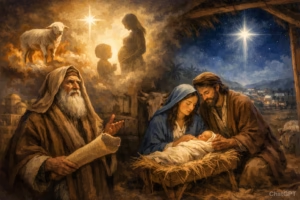
The Nativity—a beautiful portrayal of Jesus Christ's birth—captures the essence of God's love for humanity. This miraculous event, often celebrated during the Christmas season, offers profound insights into God’s plan for salvation and His promise of hope. Understanding the Nativity is crucial for believers as it marks the fulfillment of prophetic Scripture and demonstrates the beginning of God's redemptive work through Jesus.
The Prophetic Promise of the Messiah
Long before the humble stable in Bethlehem, the birth of the Messiah was foretold by prophets in the Old Testament. These prophecies were not just predictions; they were the foundation of hope for those who awaited a Savior.
The Sign of Immanuel
One of the most significant prophecies concerning the Nativity is found in Isaiah 7:14: "Therefore the Lord himself will give you a sign: The virgin will conceive and give birth to a son, and will call him Immanuel." This prophecy speaks of the miraculous birth and the divine nature of Jesus, hinting that God would dwell among His people.
The Birthplace in Bethlehem
The prophet Micah also foretold the birthplace of the Messiah in Micah 5:2: "But you, Bethlehem Ephrathah, though you are small among the clans of Judah, out of you will come for me one who will be ruler over Israel, whose origins are from of old, from ancient times." Bethlehem, seemingly insignificant, was chosen by God to be the stage for this divine event, reminding us that God often uses the humble and the lowly to accomplish His purposes.
Related Posts:



The Fulfillment in the Gospels
The birth of Jesus, the Nativity, is primarily recounted in the Gospels of Matthew and Luke. These accounts provide rich details that reflect the fulfillment of God's promises.
The Announcement to Mary
In the Gospel of Luke, the angel Gabriel's announcement to Mary is a cornerstone of the Nativity story. In Luke 1:31-33, Gabriel tells Mary, "You will conceive and give birth to a son, and you are to call him Jesus. He will be great and will be called the Son of the Most High." This moment encapsulates the miraculous nature of Jesus's birth, highlighting Mary's faith and willingness to be part of God’s divine plan.
The Journey to Bethlehem
Luke 2:1-7 describes the journey of Mary and Joseph to Bethlehem due to a decree from Caesar Augustus. This journey was not merely a fulfillment of prophecy but an illustration of God orchestrating events according to His divine timetable. Jesus's birth in a manger signifies humility and the breaking of earthly expectations, showing that God's ways often transcend our understanding.
The Shepherds' Revelation
One of the most compelling parts of the Nativity story is the experience of the shepherds. In Luke 2:8-14, angels appear to them, proclaiming the good news: "Today in the town of David a Savior has been born to you; he is the Messiah, the Lord." The shepherds' response to this heavenly announcement—glorifying and praising God—serves as an example of how we too should joyously respond to the good news of Christ's coming.
The Continual Significance of the Nativity
Understanding the Nativity goes beyond the celebration of Christmas; it shapes our entire faith journey. This humble birth underlines several profound truths about God's character and His mission through Christ.
The Humility of Christ
Philippians 2:6-7 speaks to the humility embodied in Jesus's birth: "Who, being in very nature God, did not consider equality with God something to be used to his own advantage; rather, he made himself nothing by taking the very nature of a servant, being made in human likeness." The Nativity reminds us of the sacrificial love of Jesus, calling us to live lives marked by humility and service to others.
God's Faithfulness
The fulfillment of the prophecies surrounding the birth of Christ attests to God's faithfulness. Each detail reinforces the truth of God's unwavering commitment to His promises. As believers, this encourages us to trust in God's faithfulness in every aspect of our lives.
The Promise of Salvation
The ultimate gift of the Nativity is the promise of salvation. Jesus's birth sets in motion the redemptive work that culminates in His death and resurrection. John 3:16 encapsulates this gift: "For God so loved the world that he gave his one and only Son, that whoever believes in him shall not perish but have eternal life." The Nativity story is a call to embrace the transformative love and grace offered through Jesus.
Conclusion
The Nativity is more than a cherished story; it is the heart of our faith, reflecting the incredible love and plan of God for humanity. As we meditate on these Scriptures, let us remember the depths of God's generosity in sending His Son and reflect on how this event can inspire humility, trust, and hope in our lives. May the truth of the Nativity bring joy and renewal to our hearts, encouraging us to share the good news of Jesus's birth with the world.