Bible Verses About Cloning
Discover Bible verses about cloning and the ethical implications, gaining insights from God's creation and the sanctity of life.
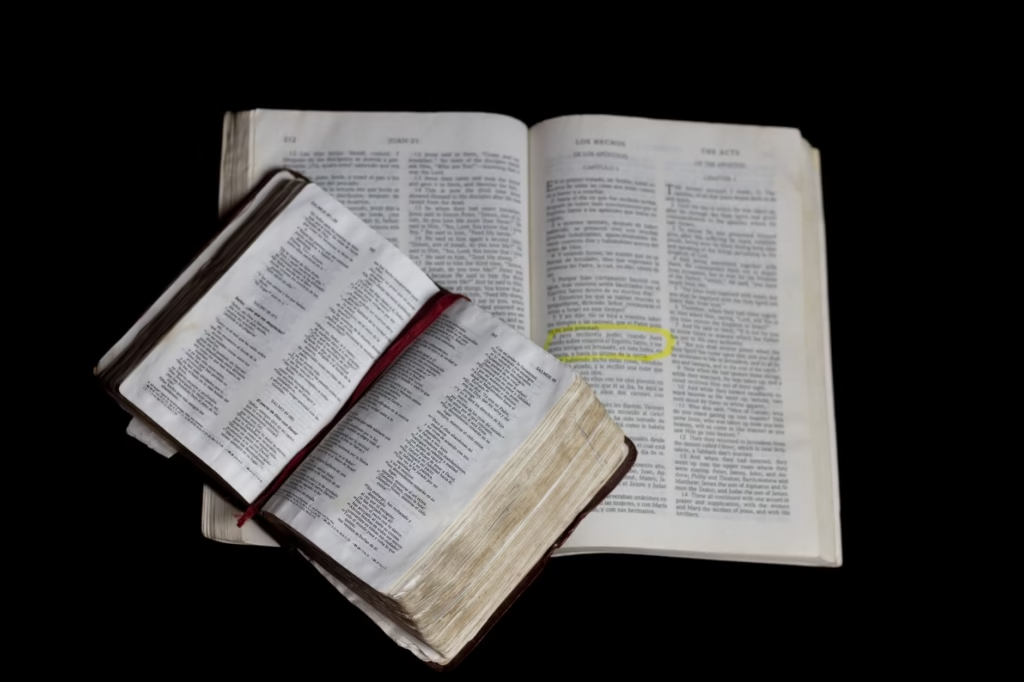
Short answer: The Bible does not specifically mention cloning, but verses like Genesis 1:26-27 emphasize God's role as Creator and the sanctity of life. Psalm 139:13-14 highlights the unique value of each individual, which can inform ethical considerations surrounding cloning.
Bible Verses About Cloning: A Thoughtful Exploration
Introduction
In recent years, the rapid advancement in biotechnology has sparked intriguing discussions and ethical debates, particularly around the concept of cloning. As society grapples with these scientific breakthroughs, many wonder what religious texts like the Bible have to say about such contemporary issues. While the Bible was written long before the advent of modern science, it offers timeless principles that can inform current ethical considerations. In this blog post, we will delve into what the Bible might say about cloning by examining relevant verses and themes that touch on creation, life, and the nature of humanity.
The Nature of Creation
Understanding God's Role as the Creator
The Bible begins with the foundational belief that God is the ultimate Creator of all life. Genesis 1:26-27 states:
- "Then God said, 'Let us make mankind in our image, in our likeness… So God created mankind in his own image, in the image of God he created them; male and female he created them.'"
This passage emphasizes the intentional and divine act of creation. Here are a few key points to consider:
- Divine Imagery: Humans are portrayed as being made in the image of God, highlighting the unique and sacred nature of human life.
- Purposeful Creation: The deliberate act of creating humans underscores the belief in divine intentionality and purpose.
In the context of cloning, these verses may lead believers to question whether replicating life through human intervention aligns with divine intentions or possibly challenges the sacredness of creation.
The Sanctity of Life
Biblical Perspectives on the Value of Life
The Bible is replete with verses that underscore the sanctity and intrinsic value of life. Psalm 139:13-14 reflects on this reverence:
- "For you created my inmost being; you knit me together in my mother’s womb. I praise you because I am fearfully and wonderfully made; your works are wonderful, I know that full well."
These verses emphasize several important aspects:
- Unique Design: Each life is described as being intricately crafted by God, suggesting that every individual is unique and valuable.
- Divine Craftsmanship: The artistry of creation implies that life is a masterpiece, beyond mere scientific replication.
For those pondering the ethical dimensions of cloning, these passages may suggest caution, urging respect for the natural process of life that God has designed.
Moral and Ethical Considerations
The Question of Playing God
While the Bible doesn’t directly address cloning, it raises broader ethical questions about human intervention in creation. Proverbs 3:5-6 advises believers to:
- "Trust in the Lord with all your heart and lean not on your own understanding; in all your ways submit to him, and he will make your paths straight."
This wisdom encourages:
- Humility: Recognizing human limitations and the importance of not overstepping natural boundaries.
- Trust and Submission: Relying on divine guidance rather than solely human ingenuity, especially in matters that profoundly impact life and creation.
From this perspective, cloning could be viewed as humanity's attempt to assume a level of control traditionally reserved for the divine.
Conclusion
While the Bible doesn't explicitly mention cloning, its teachings about the sanctity of life, the purposefulness of creation, and the role of God as the ultimate Creator provide a framework for ethical reflection. These scriptures encourage us to approach biotechnological advancements with humility, respect for life’s intrinsic value, and an awareness of the moral implications. As we navigate these complex issues, seeking wisdom from biblical principles can offer guidance that aligns with both faith and ethical responsibility.
In exploring these issues, it remains crucial for individuals and communities to engage in open and thoughtful dialogue, continuously balancing scientific progress with moral integrity. As we step into the future, the insights derived from biblical teachings can help navigate the ethical frontiers of cloning and other biotechnological innovations.
Key Takeaways
- Genesis 1:26-27 emphasizes God's intentionality in human creation.
- Psalm 139:13-14 underscores the unique and sacred value of each life.
- Proverbs 3:5-6 encourages humility and reliance on divine guidance in ethical decisions.
- The Bible promotes a respectful approach to the complexities of life and creation.
Seek Wisdom from Scripture
Study biblical teachings to navigate modern ethical dilemmas. Reflect on the sanctity of life and God's design in all creation.
Frequently Asked Questions
Does the Bible directly address cloning?
No, the Bible does not specifically mention cloning, but it provides principles that can help inform one's perspective on the subject.
What does Genesis 1:26-27 say about creation?
Genesis 1:26-27 states that God created mankind in His image, emphasizing the intentional act of creating human life.
What is the significance of Psalm 139:13-14?
Psalm 139:13-14 highlights the unique and intricate design of each person, affirming the intrinsic value of all human life.
How can Proverbs 3:5-6 apply to cloning?
Proverbs 3:5-6 encourages believers to trust in God's understanding and guidance, suggesting humility in complex ethical decisions like cloning.
The Bottom Line
While the Bible does not directly address the issue of cloning, it offers valuable insights into the sanctity of life and our role as stewards of creation. Seeking guidance from scripture helps us navigate the ethical dimensions of modern science with faith and integrity.
Keep reading
More Bible Verses by Topic →



Weekly encouragement
Grow in the Word, one email at a time.
Free Bible study guides, prayer help and a verse to carry through your week. No spam, unsubscribe anytime.
Join the conversation