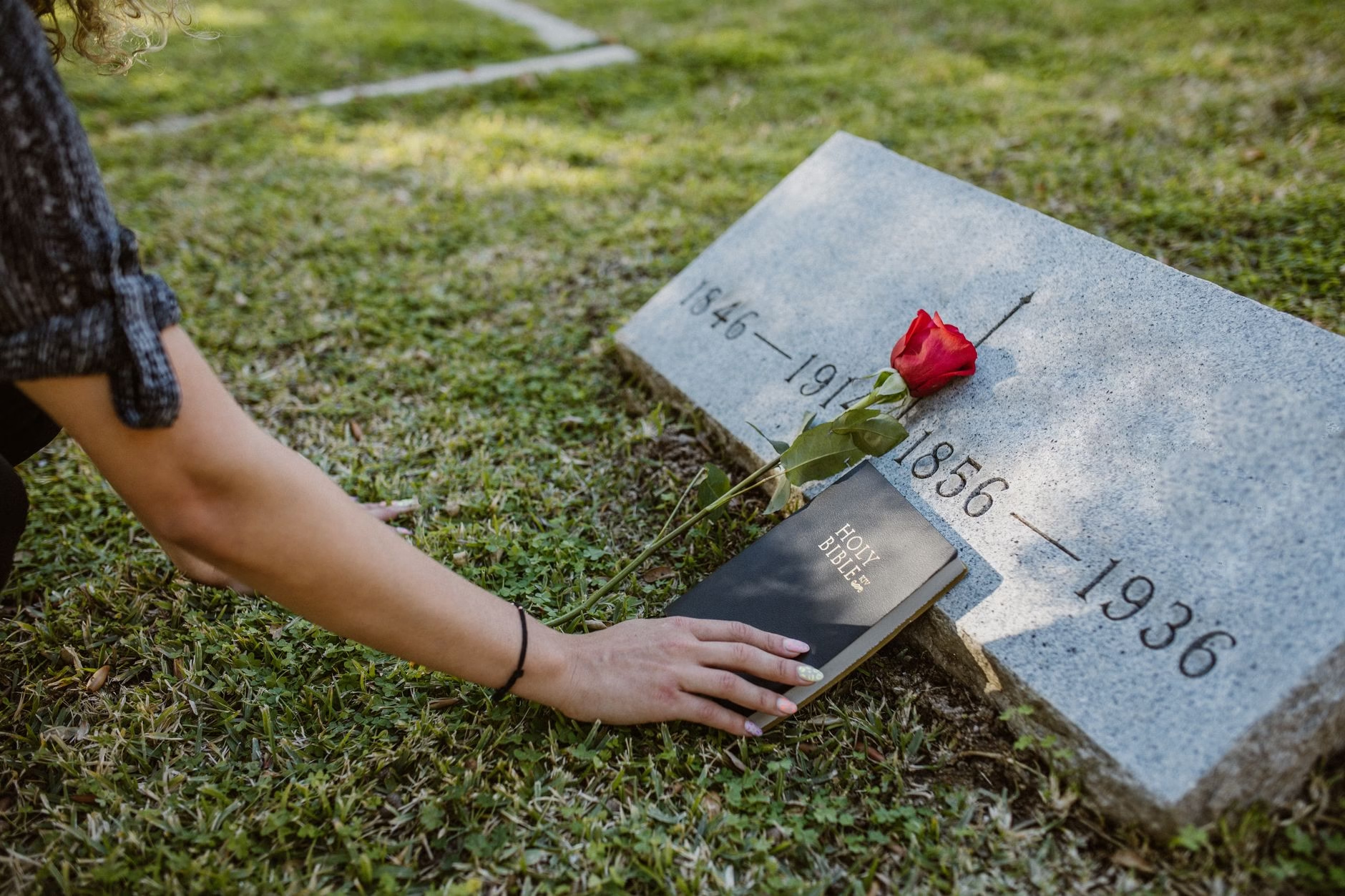
Short answer: The Bible emphasizes the significance of burying the dead as an act of respect and love. Key verses include Genesis 23:4, where Abraham seeks a burial place for Sarah, and John 19:40, which details Jesus’ burial following Jewish customs.
When confronted with the loss of a loved one, the Bible offers comfort and guidance through its teachings about mourning, death, and the treatment of the deceased. In different cultures, the act of burying the dead comes with deep significance, often intertwined with respect, love, and the hope of resurrection. This post delves into Bible verses that illuminate the importance of burying the dead, providing a spiritual framework for understanding this profound ritual.
The Importance of Burial in the Bible
From the very beginning of biblical narratives, burial traditions hold significant religious and cultural importance. The act of burying the dead can be seen as an expression of honor and love for those who have passed away. It also signifies a belief in the sanctity of life and death.
Key Biblical Principles
Here are some key principles illustrated in the Bible about burying the dead:
- Respect for the Dead: Treating the deceased with dignity is emphasized throughout scripture.
- Hope of Resurrection: Burial signifies an expectation of life beyond death, reflecting the overall Christian belief in resurrection.
- Community Support: Burial rites are often communal, highlighting the importance of support among family and friends during times of grief.
Prominent Bible Verses on Burial
1. Genesis 23:4-20: Abraham and Sarah
One of the earliest biblical instances of a burial is found in the story of Abraham and Sarah. When Sarah passed away, Abraham sought to bury her in a purchased cave—a gesture that affirmed her importance and his love for her.
"I am a stranger and a sojourner among you: give me a possession of a burying place with you, that I may bury my dead out of my sight." (Genesis 23:4, KJV)
This verse reflects the respect Abraham had not only for Sarah but also for the customs surrounding burial. It illustrates the need for a designated resting place for loved ones.
2. Deuteronomy 21:22-23: Dealing with Executed Criminals
This passage discusses the proper treatment of individuals who have been condemned and executed. It commands that their bodies should not be left hanging overnight, indicating an essential aspect of burial customs.
"And if a man have committed a sin worthy of death, and he be to be put to death, and thou hang him on a tree: His body shall not remain all night upon the tree, but thou shalt in any wise bury him that day; for he that is hanged is accursed of God…" (Deuteronomy 21:22-23, KJV)
The imperative to bury and not to desecrate reinforces the significance of treating every human life with respect, even in death.
3. John 19:40: The Burial of Jesus
One of the most significant burial rites in the Bible is that of Jesus Christ. This event underlines the cultural and ritualistic aspects of burial reflected throughout scripture.
"Then took they the body of Jesus, and wound it in linen clothes with the spices, as the manner of the Jews is to bury." (John 19:40, KJV)
Jesus’ burial demonstrates the love, care, and respect of those who were close to Him, and it also symbolizes the transition to resurrection—central to Christian belief.
Insights on Mourning and Grieving
While the act of burying the dead is critical, the Bible also addresses the emotional and spiritual aspects of mourning. Here are some comforting verses that speak to grieving:
- Matthew 5:4: “Blessed are those who mourn, for they shall be comforted.”
- Psalm 34:18: “The Lord is near to the brokenhearted and saves the crushed in spirit.”
- 1 Thessalonians 4:13-14: “We do not grieve as others do who have no hope. For since we believe that Jesus died and rose again, even so, through Jesus, God will bring with him those who have fallen asleep.”
These verses reassure the bereaved of God's comfort and the hope that transcends death.
Conclusion
Burying the dead is a sacred act full of meaning and reverence, deeply embedded in biblical narratives. The scriptures emphasize that this ritual goes beyond a mere physical act; it embodies respect, love, and hope for resurrection. Whether it’s the poignant burial of Sarah by Abraham, the instructions from Moses in Deuteronomy, or the compassionate handling of Jesus’ burial, the Bible is rich with insights into the importance of honoring those who have passed.
As we navigate our own experiences with loss, these teachings provide a strong foundation, reminding us that mourning is a journey. By embracing the wisdom contained in these verses, we can find comfort and strength in our shared humanity. Let us remember that in every act of burial and remembrance, we also celebrate the lasting impact of those we've loved and lost.
Key Takeaways
- Burial customs illustrate respect for the dead.
- The act signifies hope for resurrection.
- Community support is essential during mourning.
- Biblical examples provide comfort in grieving.
Honor Through Burial
Consider organizing a meaningful burial ceremony to honor loved ones. Include personal touches that reflect their life and your love for them.
Frequently Asked Questions
What does the Bible say about mourning?
Matthew 5:4 states, 'Blessed are those who mourn, for they shall be comforted.'
Is burial necessary according to the Bible?
The Bible emphasizes respectful treatment of the deceased, with burial being a significant part of that dignity.
What does John 19:40 teach us?
John 19:40 shows how Jesus was buried according to Jewish customs, highlighting the respect for His body.
How can I support someone who is grieving?
Offering your presence, listening, and sharing comforting scriptures can provide significant support to those in mourning.
The Bottom Line
Burying the dead is a profound act that connects us with our loved ones and reflects our faith. Remember that this journey of mourning can be supported by the loving truths found in scripture.