Compassion and Care: Bible Verse About Hurting Children
Explore what the Bible says about hurting children, key verses, and how to show compassion and care in their lives.
Key Takeaways
- God's heart is for children and their well-being.
- Scriptural guidance offers comfort to those who hurt.
- Community support is essential for healing.
- Prayer and action can make a difference in children's lives.
The pain and suffering of children is a deeply troubling reality in our world today. Whether it arises from abuse, neglect, or the circumstances of life, children are often the most vulnerable members of society. This vulnerability can lead to significant emotional, spiritual, and physical hurt. As Christians, we are called to be advocates for those who cannot advocate for themselves, especially children who are hurting. In this article, we will explore relevant Bible verses about hurting children, examine God’s heart for them, and discuss how we can respond with compassion and care.
Understanding the Scriptures on this topic can provide comfort and guidance not only for those who are seeking healing for themselves or their children but also for those looking to support others in need. God’s word speaks powerfully to the issue of child suffering and encourages us to be conduits of His love and grace. Let’s take a closer look at what the Bible teaches regarding hurting children.
God’s Heart for Children
From the very beginning, the Bible reveals God’s profound love for children. In Psalm 127:3, we read, “Children are a heritage from the Lord, the fruit of the womb a reward.” This verse emphasizes the value and importance of children in God’s eyes. They are not merely a responsibility; they are blessings and a part of God’s divine plan. This perspective can be crucial for parents and caregivers who might feel overwhelmed by the challenges of raising children.
Moreover, Jesus Himself demonstrated a special concern for children throughout His ministry. In Mark 10:14, He said, “Let the little children come to me, and do not hinder them, for to such belongs the kingdom of God.” This invitation not only shows Jesus’ love for children but also highlights their significance in the spiritual realm. If children are to be welcomed into the kingdom of God, it follows that we must treat them with dignity and care.
Furthermore, the Bible warns against causing harm to children. In Matthew 18:6, Jesus states, “But whoever causes one of these little ones who believe in me to sin, it would be better for him to have a great millstone fastened around his neck and to be drowned in the depth of the sea.” This stark warning underscores the seriousness with which God views the protection of children. Hurting children is not merely a social issue; it is a spiritual and moral violation against God’s creation.
Understanding the Sources of Hurt
Children can experience hurt from various sources, including family dynamics, societal issues, and even within their educational environments. Recognizing these sources is the first step towards healing. Family dysfunction, including parental neglect or abuse, can lead to deep emotional scars. It is vital for parents and guardians to foster a nurturing environment where children feel safe and valued.
In addition, external factors such as poverty, bullying, and social isolation can significantly affect a child’s well-being. The Bible urges us to care for the least among us. James 1:27 states, “Religion that God our Father accepts as pure and faultless is this: to look after orphans and widows in their distress and to keep oneself from being polluted by the world.” This verse not only calls for action but also emphasizes the importance of community involvement in addressing and alleviating the suffering of children.
Finally, it is essential to recognize that spiritual warfare can also play a role in a child’s suffering. Ephesians 6:12 reminds us, “For we do not wrestle against flesh and blood, but against the rulers, against the authorities, against the cosmic powers over this present darkness, against the spiritual forces of evil in the heavenly places.” Understanding this aspect can help caregivers and communities to approach the issues affecting children with a comprehensive and prayerful mindset.
Scriptural Guidance for Healing
When addressing the hurt experienced by children, it is vital to turn to Scripture for encouragement and guidance. The Bible is rich with verses that speak to healing, comfort, and restoration. One such verse is Psalm 147:3, which states, “He heals the brokenhearted and binds up their wounds.” This promise from God reassures us that He is intimately aware of our pain and is actively working to bring healing.
Another powerful passage is found in Isaiah 41:10, where God promises, “Fear not, for I am with you; be not dismayed, for I am your God; I will strengthen you, I will help you, I will uphold you with my righteous right hand.” This verse emphasizes God’s presence and support during difficult times, assuring children (and adults) that they are not alone in their struggles.
Moreover, 2 Corinthians 1:3-4 reminds us that God is “the Father of mercies and God of all comfort, who comforts us in all our affliction, so that we may be able to comfort those who are in any affliction.” This beautiful cycle of receiving and giving comfort highlights the role of community and the church in helping children heal from their hurts.
Practical Steps for Support
As Christians, we are called to take action in supporting children who are hurting. Here are some practical steps that can be taken:
- Listening and Validating: Often, children need someone to listen to their feelings and validate their experiences. Providing a safe space for them to express their thoughts can be incredibly healing.
- Encouraging Open Communication: Encourage children to talk about their feelings. This can be through casual conversation, journaling, or creative outlets like art.
- Creating a Supportive Environment: Whether at home, school, or church, ensuring that children feel safe and loved is crucial. Positive reinforcement and affirmation can go a long way.
- Connecting with Professionals: In cases of severe distress, seeking guidance from counselors or child psychologists can provide the specialized support that children may need.
- Engaging in Community Service: Involving children in community service can help them find purpose and develop empathy for others who are suffering.
- Prayer: Prayer is a powerful tool for healing. Encourage children to pray about their feelings, and pray with them for comfort and peace.
Encourage children to express their feelings through creative outlets like drawing or writing.
Building a Supportive Community
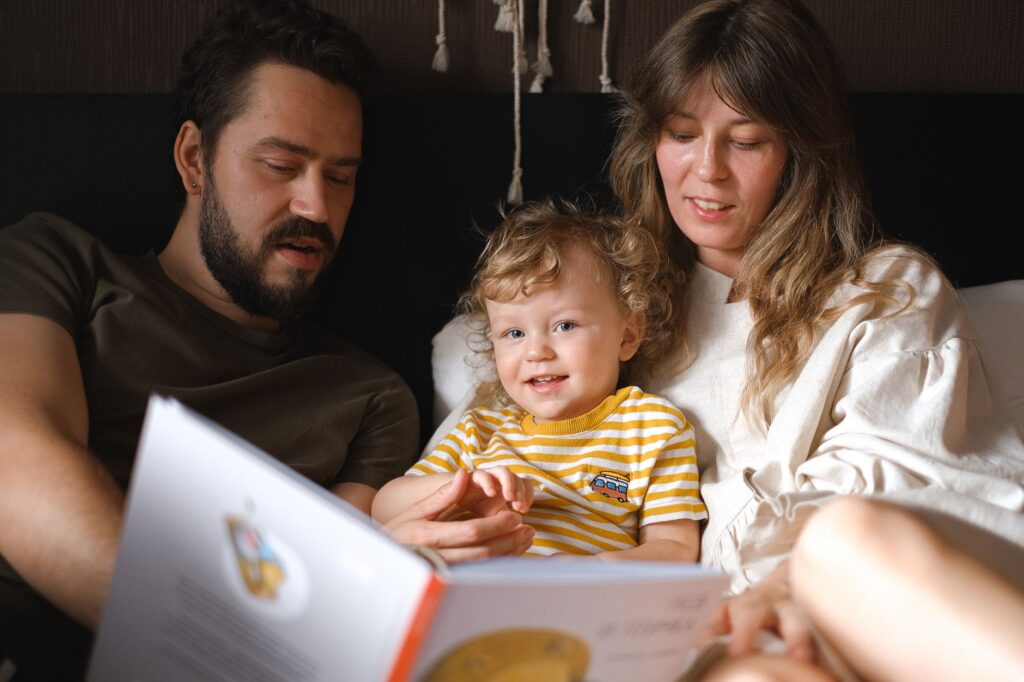
Children thrive in environments where they feel cared for and understood. Building a supportive community is essential for the healing process. This community can be formed through family, friends, church groups, or local outreach programs. When children see adults caring for one another, they learn the importance of compassion and community.
Churches play a vital role in creating safe spaces for children. By organizing activities that foster connection and belonging, churches can help children develop friendships and support networks. This can include Sunday school, youth groups, and community service projects. Engaging children in these activities not only helps them to connect but also provides them with a sense of purpose.
Moreover, fostering relationships between families within the church can create a nurturing environment where children feel valued. Encouraging parents to support one another in their parenting journeys can lead to a more cohesive community. In Galatians 6:2, we are instructed to “bear one another’s burdens, and so fulfill the law of Christ.” This principle can be applied to family and child-rearing, encouraging mutual support and understanding.
Real-Life Illustration
Consider the story of a young boy named Samuel who faced bullying at school. Samuel was often quiet and withdrawn, struggling to express his feelings about the hurt he experienced. His parents noticed a change in his behavior and took the time to listen to him. They encouraged him to talk about what was happening and validated his feelings. With their support, Samuel began to open up about his experiences.
His parents reached out to his teacher, who was able to intervene and create a safer environment in the classroom. Samuel was also encouraged to join a local sports team, where he made new friends and began to rebuild his confidence. Through the love and support of his family and community, Samuel experienced healing and learned that he was not alone in his struggles.
This story illustrates the importance of attentive listening, open communication, and community involvement in supporting children who are hurting. It shows that with the right support, healing is not only possible but can lead to newfound strength and resilience.
The Role of the Church in Supporting Hurting Children
Creating Safe Spaces
The church can serve as a haven for children in distress, providing a nurturing environment where they feel valued and protected. Jesus emphasized the importance of welcoming children, as noted in Mark 10:14, where He said, “Let the little children come to me, and do not hinder them, for to such belongs the kingdom of God.” This call to embrace and support children lays a foundation for creating safe spaces within our congregations.
To cultivate these safe spaces, churches can implement the following strategies:
- Establishing children’s ministries that focus on emotional and spiritual well-being.
- Training volunteers to recognize signs of distress and provide compassionate support.
- Encouraging open discussions about feelings and challenges in a loving environment.
By fostering an atmosphere of acceptance and care, the church can significantly impact the lives of hurting children, reflecting God’s love and compassion.
Equipping Parents and Guardians
In addition to ministering directly to children, the church has a vital role in equipping parents and guardians. Proverbs 22:6 teaches us, “Train up a child in the way he should go; even when he is old he will not depart from it.” This responsibility extends beyond mere instruction; it encompasses emotional and spiritual support as well.
Churches can offer workshops and resources on parenting, focusing on how to nurture children’s emotional health. Key areas of focus might include:
- Understanding developmental milestones and emotional needs.
- Communicating effectively with children about their feelings.
- Recognizing signs of trauma or distress in children’s behavior.
By empowering parents with knowledge and resources, the church can help create a more supportive home environment, which is essential for children’s healing and growth.
Advocating for Vulnerable Children
As Christians, we are called to advocate for those who cannot advocate for themselves. Psalm 82:3 reminds us, “Give justice to the weak and the fatherless; maintain the rights of the afflicted and the destitute.” This verse compels the church to take an active stance in supporting vulnerable children, whether through advocacy for policy changes or involvement in community outreach.
Ways the church can advocate for hurting children include:
- Partnering with local organizations that focus on child welfare.
- Raising awareness about issues like child abuse, neglect, and poverty.
- Creating programs that provide tangible support, such as food banks or mentorship initiatives.
Through these actions, the church not only shows compassion but also fulfills its calling to be a voice for the voiceless.
The Importance of Prayer in Healing Processes
Interceding for Children
Prayer is a powerful tool in the life of a believer, especially when it comes to seeking healing for children who are hurting. James 5:16 encourages us, “The prayer of a righteous person has great power as it is working.” Intercessory prayer can bring about profound change in the lives of children and their families.
Church communities can establish prayer groups dedicated to interceding for children facing various challenges. This can include:
- Praying for emotional healing from trauma.
- Seeking God’s guidance for families in distress.
- Asking for wisdom for caregivers and teachers working with vulnerable children.
By committing to pray collectively, the church can foster a culture of hope and support for hurting children, reminding them that they are not alone in their struggles.
Teaching Children to Pray
In addition to praying for children, it is essential to teach them how to pray. Philippians 4:6-7 encourages us, “Do not be anxious about anything, but in everything by prayer and supplication with thanksgiving let your requests be made known to God.” Teaching children to communicate with God can empower them and provide a sense of comfort and security.
Churches can implement activities that help children learn about prayer, such as:
- Prayer circles where children can express their thoughts and feelings.
- Creative arts projects that help them articulate their prayers.
- Storytelling sessions that illustrate the power of prayer in the lives of biblical characters.
By instilling a prayerful mindset, children can find solace and strength in their relationship with God, especially during challenging times.
Prayer as a Healing Practice
Moreover, prayer can serve as a healing practice for children dealing with emotional pain. Matthew 11:28 reminds us, “Come to me, all who labor and are heavy laden, and I will give you rest.” Encouraging children to cast their burdens on God through prayer can lead to emotional relief and healing.
Churches can create opportunities for children to engage in prayer as a form of healing, such as:
- Organizing prayer retreats focused on healing and emotional restoration.
- Encouraging journaling prayers that allow children to express their feelings.
- Incorporating prayer into counseling sessions to address specific emotional needs.
Through these practices, the church can help children experience the peace of God, nourishing their spirits and aiding their healing journey.
Frequently Asked Questions
What does the Bible say about child abuse?
The Bible condemns any form of harm or abuse towards children. In Matthew 18:6, Jesus warns against causing harm to little ones, highlighting the seriousness of such actions.
How can I help a child who is hurting?
Listening, validating their feelings, encouraging open communication, and creating a supportive environment are key ways to help a child who is hurting.
Are there specific prayers for hurting children?
Yes, prayers can be tailored to ask for healing, comfort, and protection for children. Encouraging children to pray about their feelings can also be comforting.
How can the church support hurting children?
The church can provide safe spaces, organize supportive activities, and foster community among families to help children heal and thrive.
The Bottom Line
Hurting children are a reminder of the importance of compassion and care in our communities. The Bible provides us with clear guidance on how to respond to their needs, emphasizing God’s love and concern for the vulnerable. By actively listening, creating supportive environments, and involving ourselves in the lives of children, we can help them heal from their hurts. Remember, as we advocate for children, we reflect the heart of God, who calls us to protect and nurture the next generation.
Keep reading
More Children & Youth →



Weekly encouragement
Grow in the Word, one email at a time.
Free Bible study guides, prayer help and a verse to carry through your week. No spam, unsubscribe anytime.
Join the conversation