
Character & Virtues
Bible Verses About Godly Woman KJV: Inspiration for Everyday Life
Nov 12, 2026 · 11 min read
Find Bible verses about speaking bad of others to encourage uplifting communication and strengthen relationships with positive words.
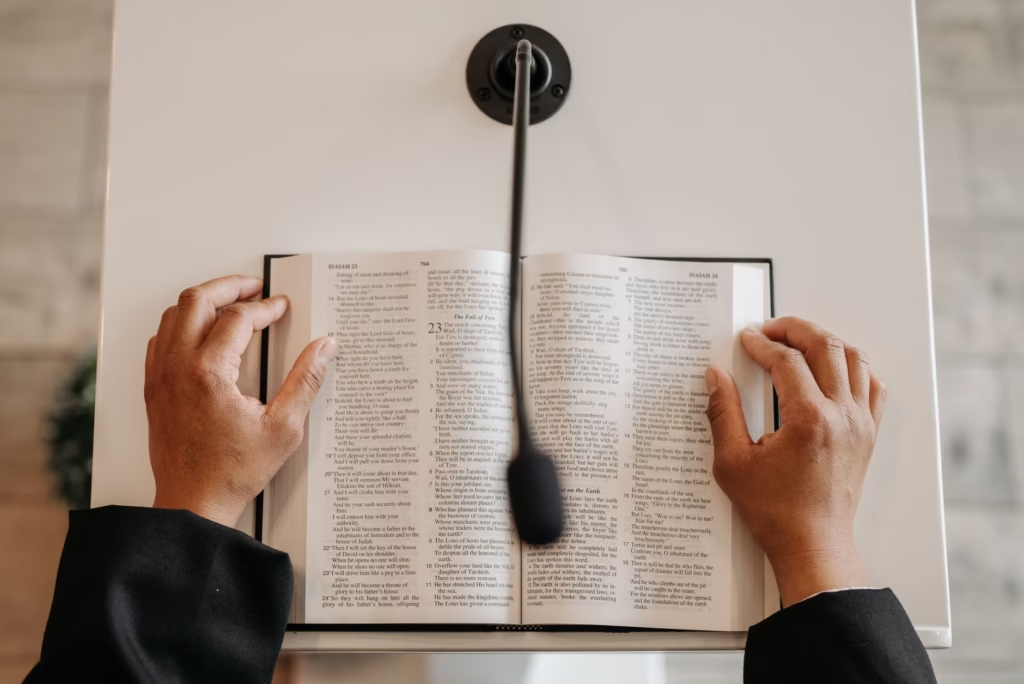
Short answer: Bible verses like Proverbs 18:21 and James 4:11 emphasize the importance of uplifting communication and warn against speaking ill of others. Words can bring life or destruction, so it is vital to choose them wisely.
In our daily lives, the power of words cannot be overstated. Words have the potential to uplift, inspire, and bring people together. Conversely, they can also harm, divide, and create discord. This dual-edged nature of language is something that the Bible addresses with profound wisdom. Speaking ill of others is not only discouraged but is deemed harmful both spiritually and socially. In this blog post, we'll explore key Bible verses about speaking bad of others and how these teachings can guide us toward more positive and enriching communication.
Before delving into specific Bible verses, it's important to understand why words hold such weight in our interactions. Communication is the tool that nurtures relationships, resolves conflicts, and builds community. When misused, it becomes a weapon that can devastate emotions and trust.
The Bible provides guidance on the wise use of our words, emphasizing the need for respect, kindness, and understanding.
This proverb serves as a stark reminder that words can either breathe life into or sap the energy out of a situation. Speaking negatively not only affects those who are spoken about but can also bring negative consequences to the speaker.
Here, James teaches about the importance of resisting the temptation to speak ill of others. Slander not only harms relationships but also violates the fundamental principles of love and respect promoted by biblical teachings.
This verse encourages a shift from negative to constructive communication, emphasizing the impact of words as a tool for edification rather than destruction.
Now that we’ve looked at what the Bible says about the detrimental effects of speaking poorly about others, how can we apply these teachings in our daily lives to ensure our words are constructive? Here are some practical tips inspired by biblical wisdom:
The Bible offers valuable insights into the responsible use of speech. By adhering to its teachings on avoiding negative talk about others, we not only cultivate healthier individual relationships but also contribute to a more harmonious community and world. Using words to build rather than to break, to heal rather than to harm, aligns with the biblical call to love our neighbors as ourselves. Let's embrace this practice, remembering the profound power and responsibility that comes with each word we choose to utter.
Make it a mission to wield the power of your words wisely, and you will undoubtedly see its transformative impact on your life and the lives of those around you. By living out these teachings, we can be sure that our words will indeed glorify the true essence of love and unity that the Bible so fervently teaches.
Think before you speak to ensure your words have a positive purpose. Choose kindness and reflect on your intentions to promote constructive dialogue.
What does the Bible say about gossip?
The Bible warns against gossip, as seen in Proverbs 20:19, which states that gossipers betray secrets and cannot be trusted.
How can I avoid speaking negatively about others?
Practice mindfulness in your speech, seek to understand others, and focus on sharing positive perspectives about them.
Are there consequences for speaking ill of others?
Yes, speaking ill of others can damage relationships and create division, as highlighted in James 4:11.
What is the importance of word choice in communication?
Choosing words wisely is crucial as they can either promote harmony and understanding or lead to hurt and conflict.
Speaking positively about others aligns with biblical teachings and fosters love in our communities. Remember that your words carry weight; use them to uplift those around you.
Weekly encouragement
Free Bible study guides, prayer help and a verse to carry through your week. No spam, unsubscribe anytime.



Join the conversation