
Faith and Trust in God
Bible Verses On Forgiveness In Marriage: Healing and Hope
Nov 9, 2026 · 12 min read
Discover Bible verses about not being a pushover, strengthen your boundaries, and foster healthy assertiveness in relationships.
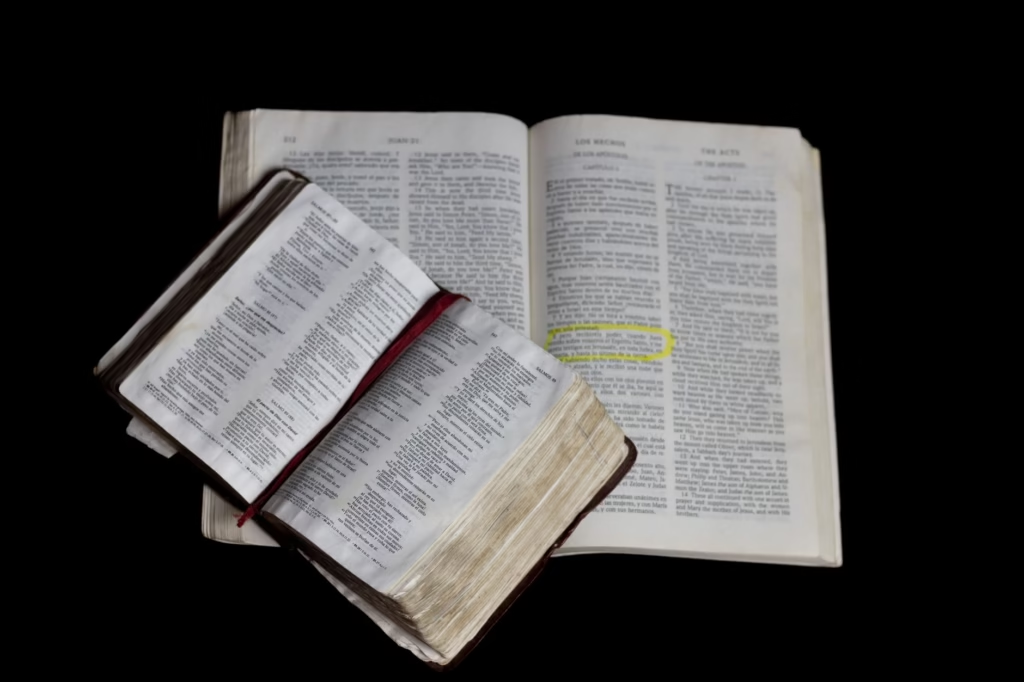
Short answer: Bible verses that encourage not being a pushover include Proverbs 4:23, which highlights the importance of guarding your heart, and 1 Corinthians 16:13, which calls for standing firm in the faith. These verses emphasize self-respect and the strength to uphold your convictions.
In today’s fast-paced world, many individuals find themselves navigating through relationships, workplaces, and community engagements where assertiveness is essential. Being a pushover, someone who allows others to impose their will or opinions without standing firm for oneself, can lead to frustration and diminished self-respect. Fortunately, the Bible offers numerous insights and verses that encourage believers to assert themselves while remaining grounded in faith. In this post, we’ll explore several powerful Bible verses about not being a pushover that emphasize the importance of strength, confidence, and dignity in our interactions with others.
Establishing boundaries is crucial for maintaining healthy relationships. Boundaries protect your emotional well-being and allow you to communicate your needs effectively. Here are some reasons why boundaries are essential:
The Bible encourages believers to assert their needs and maintain their dignity. Here are some key verses that support the establishment of personal boundaries:
Proverbs 4:23: “Above all else, guard your heart, for everything you do flows from it.”
Galatians 6:5: “For each will have to bear his own load.”
Assertiveness is the ability to express your opinions and needs confidently while respecting others. It is important to understand that being assertive does not equate to being aggressive. Here’s why assertiveness is key:
The scripture provides several examples that highlight the importance of standing firm in one's convictions:
1 Corinthians 16:13: “Be watchful, stand firm in the faith, act like men, be strong.”
Ephesians 4:15: “Rather, speaking the truth in love, we are to grow up in every way into him who is the head, into Christ.”
Facing challenges and standing up for yourself can require a significant amount of courage, especially when fear or doubt creeps in. The Bible reassures us that we do not face these challenges alone; God is our source of strength. Consider these inspiring verses:
Philippians 4:13: “I can do all things through him who strengthens me.”
Deuteronomy 31:6: “Be strong and courageous. Do not fear or be in dread of them, for it is the LORD your God who goes with you. He will not leave you or forsake you.”
Feeling empowered involves actionable steps; here are a few practical ways to build your courage and assertiveness:
Navigating life's challenges without being a pushover is about finding the balance between compassion and assertiveness. The Bible encourages us to stand firm, set healthy boundaries, and act with courage. By referencing these verses and principles, you can draw strength from your faith to advocate for yourself without compromising your values. Embracing your worth and asserting your needs not only bolsters your self-esteem but also enhances your relationships with others. Remember, it’s entirely possible to be kind and loving while also being strong and firm in your convictions. So, let these biblical principles guide you as you confidently stride through life, unafraid to speak up and stand out.
Identify your core values and let them guide your decisions. Self-reflection can help you assert your needs confidently and stand firm in your beliefs.
What does Proverbs 4:23 teach us?
Proverbs 4:23 teaches us to guard our hearts because our actions and decisions flow from our emotional and spiritual well-being.
How can I practice assertiveness?
You can practice assertiveness by expressing your thoughts openly, taking ownership of your feelings, and communicating in a respectful manner.
What does Philippians 4:13 mean?
Philippians 4:13 emphasizes that with God’s help, you can find the strength to face challenges and assert yourself confidently.
Why is it important to set boundaries?
Setting boundaries is important for maintaining self-respect, ensuring healthy relationships, and reducing stress.
Remember, being assertive is not only about standing up for yourself but also about honoring your values and beliefs. With God by your side, you have the strength to navigate challenges with courage and confidence.
Weekly encouragement
Free Bible study guides, prayer help and a verse to carry through your week. No spam, unsubscribe anytime.



Join the conversation