Charity Starts At Home Bible Verse: Understanding Love and Service
Explore key Bible verses that illustrate how charity starts at home and the importance of loving those closest to us.

Key Takeaways
- Charity begins with loving our family and community.
- Scripture emphasizes the importance of service at home.
- Real-life examples show the impact of charity in families.
Understanding Charity in a Biblical Context
Charity, often understood as love in action, is a core principle in Christian teachings. The Bible emphasizes the importance of love, not just as a feeling but as a commitment to serve and care for others. In this light, the phrase “charity starts at home” becomes a profound truth for believers, encouraging us to first nurture and support those closest to us.
The essence of charity can be traced back to the teachings of Jesus, who highlighted love as the greatest commandment. In Matthew 22:37-39, He states, “You shall love the Lord your God with all your heart and with all your soul and with all your mind. This is the great and first commandment. And a second is like it: You shall love your neighbor as yourself.” This directive shows us that the love we extend to God should overflow into our relationships with others, starting at home.
Understanding the biblical definition of charity helps us grasp why it is essential to practice it within our families. Charity is not merely about giving material resources; it encompasses emotional support, kindness, patience, and understanding. When we focus on charity at home, we create a nurturing environment that reflects God’s love.
The Importance of Family in Charity
Families are the first social unit where we learn about love and service. Therefore, it is crucial that charity begins at home. The Bible frequently emphasizes the significance of family relationships. Ephesians 6:1-3 instructs children to honor their parents, while Colossians 3:20 reminds parents to avoid provoking their children. These verses highlight the reciprocal nature of love and respect within family dynamics.
Practicing charity at home helps to instill values of compassion and empathy in children. When parents demonstrate love through actions, whether by providing for their needs, spending quality time, or offering emotional support, they model the essence of charity. This not only nurtures a child’s development but also solidifies family bonds.
For example, consider a scenario where a parent takes time from their busy schedule to help their child with homework. This act of service not only supports the child’s academic growth but also communicates love and commitment. Such moments are foundational in teaching children the value of charity and service towards others.

Biblical Verses Emphasizing Charity at Home
Many scriptures articulate the call to love and serve our families. These verses serve as reminders of the biblical foundation for charity starting at home:
- 1 Timothy 5:8: “But if anyone does not provide for his relatives, and especially for members of his household, he has denied the faith and is worse than an unbeliever.” This verse underscores the expectation that we care for our families as a reflection of our faith.
- Proverbs 22:6: “Train up a child in the way he should go; even when he is old he will not depart from it.” This emphasizes the importance of guiding children in the ways of love and service.
- Galatians 6:10: “So then, as we have opportunity, let us do good to everyone, and especially to those who are of the household of faith.” This verse highlights the priority of serving those closest to us.
These passages collectively point to the biblical principle that our first mission field lies within our homes. By prioritizing charity within our families, we fulfill God’s command to love.
Real-Life Applications of Charity in the Home
Implementing charity in our homes takes conscious effort and creativity. Here are some practical ways to embody charity within family dynamics:
- Acts of Service: Encourage family members to perform small acts of service for one another, such as doing chores without being asked or helping with personal projects.
- Quality Time: Set aside time for family activities that foster connection, such as game nights or family dinners. These moments build relationships and create a space for open communication.
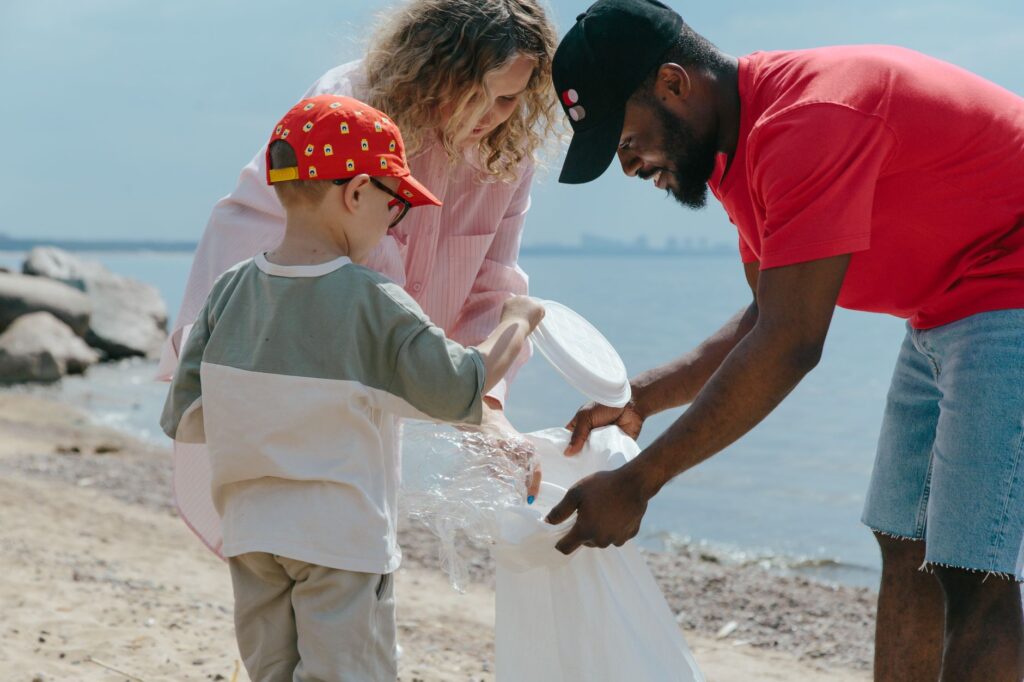
- Volunteering Together: Engage in community service as a family. This not only exemplifies charity but also teaches children the value of giving back to others.
- Encouragement: Make it a habit to affirm and encourage each family member. Simple words of affirmation can significantly boost someone’s day and strengthen family bonds.
For instance, a family might decide to volunteer at a local soup kitchen once a month. This shared experience not only helps those in need but also cultivates an attitude of gratitude and service within the family. Such activities reinforce the importance of charity starting at home while extending it into the community.
Overcoming Challenges in Practicing Charity
While the call to practice charity at home is clear, it is not always easy. Challenges may arise due to busy schedules, personal conflicts, or even misunderstandings. Recognizing these potential hurdles is the first step in overcoming them.
One significant challenge is the tendency to take family members for granted. Familiarity can breed a lack of appreciation, leading to unintentional neglect of the charity we owe them. It may be helpful to regularly reflect on the contributions of each family member and express gratitude for their roles.
Another challenge is the fast pace of life, which often leaves little room for intentional acts of charity. To combat this, families can implement a weekly family meeting where they discuss how they can better support one another. Setting aside specific times for family engagement can help ensure that charity remains a priority.
Charity in the Broader Community Context
While charity starts at home, it does not end there. The principles learned within the family unit should naturally extend into broader community interactions. The Bible encourages believers to love their neighbors, and this can be practiced through community service, outreach, and active participation in church activities.
As families practice charity together, they create a ripple effect that extends beyond their household. This is echoed in 1 John 3:17-18, which states, “But if anyone has the world’s goods and sees his brother in need, yet closes his heart against him, how does God’s love abide in him? Little children, let us not love in word or talk but in deed and in truth.” This verse reinforces that love must be actionable.
By engaging in charitable activities as a family, members learn to empathize with others and become more socially aware. This can foster a spirit of generosity that lasts a lifetime.
Modeling Charity Through Prayer
The Power of Intercessory Prayer
Intercessory prayer is a profound way to express love and charity within the family unit. When we pray for our loved ones, we are not only bringing their needs before God but also actively participating in their spiritual journey. James 5:16 (NIV) states, “The prayer of a righteous person is powerful and effective.” This verse reminds us that our prayers can lead to tangible changes in the lives of those we care about.
To engage in intercessory prayer effectively, consider the following steps:
- Identify specific areas where family members need support.
- Commit to regular prayer times, perhaps during family gatherings.
- Encourage open conversations about personal struggles and needs.
- Keep a prayer journal to track requests and answered prayers.
By making prayer a priority, we not only cultivate a charitable spirit but also deepen our relationships with one another, fostering an environment of love and support.
Praying Together as a Family
Prayer can also be a communal activity, strengthening the bonds within the family. Matthew 18:20 (NIV) tells us, “For where two or three gather in my name, there am I with them.” Bringing the family together in prayer cultivates unity and reinforces the importance of charity.
Here are some suggestions for family prayer sessions:
- Establish a regular time for family prayer, such as at dinner or before bed.
- Incorporate different prayer styles, including spontaneous prayers and written prayers.
- Include praise reports where family members can share how God has worked in their lives.
- Pray for each other’s specific needs and challenges.
These practices not only enhance spiritual growth but also exhibit charity by giving and receiving support through prayer.

Charity Through Acts of Service
Understanding Service as a Form of Charity
Service is a practical expression of charity that goes beyond mere words. In Galatians 5:13 (NIV), Paul writes, “Serve one another humbly in love.” This directive emphasizes the importance of actively seeking opportunities to serve those within our families. Service can come in many forms, from helping with chores to providing emotional support during tough times.
Here are some examples of acts of service that can be performed at home:
- Cooking meals for family members who are busy or unwell.
- Offering to help with homework or household responsibilities.
- Creating a family chore chart to ensure everyone contributes.
- Taking time to listen and provide emotional support when needed.
Engaging in these acts of service not only fulfills the biblical call to charity but also creates a nurturing atmosphere in the home.
The Impact of Small Acts
Often, it is the small, seemingly insignificant acts of kindness that have the most profound impact on family dynamics. In Luke 16:10 (NIV), Jesus teaches, “Whoever can be trusted with very little can also be trusted with much.” This principle applies to our acts of charity; even small gestures can lead to greater expressions of love and service.
Consider the following small acts that can make a big difference:
- Leaving a note of encouragement for a family member.
- Offering to run errands for someone who is overwhelmed.
- Setting aside time for a family member to share their day.
- Surprising a loved one with a small gift or treat.
These small acts of service can create a ripple effect, encouraging others to respond in kind and fostering a culture of charity within the home.
Teaching Children About Charity
Instilling Values of Generosity
Teaching children about charity is essential for cultivating a loving and service-oriented family environment. Proverbs 22:6 (NIV) states, “Start children off on the way they should go, and even when they are old they will not turn from it.” By instilling the values of generosity and charity early on, we set them on a path to live out these principles throughout their lives.
Here are ways to teach children about charity:
- Encourage them to share their toys or possessions with others.
- Involve them in community service projects as a family.
- Discuss the importance of giving, using examples from Scripture.
- Set a family goal to donate a certain percentage of any income they receive.
By integrating these practices into their daily lives, children learn the significance of charity and how it shapes their character and the world around them.
Leading by Example
As parents and caregivers, our actions often speak louder than our words. 1 Timothy 4:12 (NIV) encourages us to be an example in speech, conduct, love, faith, and purity. By actively demonstrating charitable behavior, we provide a living example for our children to follow.
Consider these ways to lead by example:
- Volunteer together as a family at local charities.
- Show kindness to neighbors and discuss the importance of community.
- Practice gratitude in everyday life, acknowledging blessings openly.
- Share stories of charity and service from your own life experiences.
When children see their parents embodying the values of charity, they are more likely to embrace these principles themselves, creating a legacy of love that extends beyond the home.
Frequently Asked Questions
What does the Bible say about charity?
The Bible speaks extensively about charity, highlighting it as a fundamental expression of love. 1 Corinthians 13:3 states, “If I give away all I have, and if I deliver up my body to be burned, but do not have love, I gain nothing.” Charity rooted in love is essential.
How can I show charity to my family?
Show charity to your family through acts of kindness, spending quality time together, and offering emotional support. Regularly express gratitude and affirmation to strengthen your relationships.
Why is charity important in the family?
Charity is important in the family as it fosters love, respect, and support among members. It creates a nurturing environment that helps individuals grow and thrive.
How can I involve my children in charitable acts?
Involve your children in charitable acts by volunteering as a family, encouraging them to support friends in need, and setting up opportunities for them to serve within your community.
The Bottom Line
Charity starts at home, as emphasized throughout Scripture. By nurturing love and service within our families, we cultivate a foundation that enables us to extend those values into the world. Through intentional actions, we reflect God’s love and create a nurturing environment where everyone can thrive. Let us embrace the call to practice charity at home, knowing that it shapes not only our families but also the broader community.
Keep reading
More Family & Parenting →



Weekly encouragement
Grow in the Word, one email at a time.
Free Bible study guides, prayer help and a verse to carry through your week. No spam, unsubscribe anytime.
Join the conversation